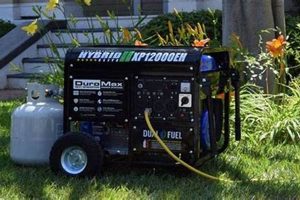
Compact, independent power sources that utilize alternative fuels such as solar energy, battery power, or propane offer electricity on demand without reliance on gasoline. For instance, a solar-powered unit can recharge its internal battery using sunlight, providing a sustainable energy source for various applications. These devices come in various sizes and power outputs, suitable for diverse needs.
These alternative power solutions are crucial for scenarios where traditional grid power is unavailable or unreliable, such as during emergencies, outdoor activities, or remote work situations. Their ability to function without gasoline reduces reliance on fossil fuels, contributing to lower emissions and a smaller environmental footprint. The development and refinement of battery technology and photovoltaic cells have significantly contributed to the increasing practicality and affordability of these devices over time.
This article will further explore the various types of fuel-free independent power sources available, comparing their respective advantages, disadvantages, and ideal use cases. Considerations such as power output, runtime, portability, and maintenance requirements will be discussed to provide a comprehensive understanding of this evolving technology.
Operating Tips for Independent Power Sources
Proper usage and maintenance are crucial for maximizing the lifespan and performance of gasoline-free portable power solutions. The following tips offer guidance on effective operation and care.
Tip 1: Understand Power Requirements: Before selecting a unit, calculate the total wattage required to run the intended devices. Overloading the unit can lead to damage or premature failure. Consider both continuous running wattage and surge wattage (the initial power spike when a device starts up).
Tip 2: Proper Charging Practices: For battery-powered units, adhere to the manufacturer’s recommended charging procedures. Avoid overcharging or completely depleting the battery, as this can shorten its lifespan.
Tip 3: Safe Storage: Store units in a cool, dry place, away from direct sunlight and extreme temperatures. For battery-powered models, ensure the battery is partially charged during storage to prevent deep discharge.
Tip 4: Regular Maintenance: Periodically inspect the unit for any signs of damage or wear. Follow the manufacturer’s guidelines for cleaning and maintenance, including proper ventilation for units with internal combustion engines like propane generators.
Tip 5: Safe Operation: Ensure adequate ventilation when operating units with combustion engines. Never operate these indoors or in enclosed spaces due to the risk of carbon monoxide poisoning. For all unit types, avoid exposure to moisture and extreme temperatures.
Tip 6: Environmental Awareness: Dispose of batteries and other components responsibly according to local regulations. Explore recycling options whenever possible to minimize environmental impact.
Adhering to these guidelines will ensure safe, efficient operation, and prolong the lifespan of the chosen independent power solution. This, in turn, provides reliable access to off-grid power when and where it is needed most.
By understanding the various types of independent power sources and following these operational tips, consumers can make informed decisions about the best solution for their specific needs and contribute to a more sustainable energy future.
1. Power Source

The defining characteristic of a portable non-gas generator lies in its power source. This fundamental element dictates the unit’s capabilities, limitations, and overall suitability for various applications. Understanding the diverse power source options available is crucial for selecting the appropriate generator for specific needs.
- Solar Power
Photovoltaic cells convert sunlight directly into electricity, offering a clean and renewable power source. Portable solar generators typically incorporate a battery for energy storage, allowing for power availability even in the absence of sunlight. A small solar panel might power a phone or laptop in a remote location, while larger panels can provide substantial energy for an RV or off-grid cabin. The primary advantage of solar is its sustainability; however, its efficacy depends on sunlight availability.
- Battery Power
Battery-powered generators store electricity chemically and release it on demand. These units offer silent operation and instant power delivery, making them ideal for sensitive electronics or indoor use during power outages. A compact lithium-ion battery pack can power small appliances or provide backup power for a computer, while larger units can run essential household appliances for a limited time. Battery capacity and discharge rate are key considerations when choosing a battery-powered generator.
- Propane Power
Propane generators offer a reliable alternative to gasoline, burning cleaner while still providing robust power output. These units are suitable for applications requiring higher wattage and longer runtimes. A propane-powered generator can operate power tools on a construction site or provide electricity for a tailgate party. While propane offers greater energy density than batteries, it still requires a consumable fuel source and produces emissions, albeit cleaner than gasoline.
- Hand-Crank/Kinetic Power
While less common, some portable generators utilize hand-crank or other kinetic mechanisms to generate electricity. These units are typically smaller and provide lower power output, suited for charging small devices or providing emergency power in survival situations. A hand-crank generator might be used to power a radio or charge a flashlight during a natural disaster. While human-powered generation offers independence from other fuel sources, it requires physical effort and the power output is limited.
The power source directly impacts the portability, runtime, maintenance requirements, and environmental impact of the generator. Careful consideration of these factors alongside specific power needs will guide the selection of the most effective and appropriate portable non-gas generator for any given situation.
2. Portability
Portability represents a defining characteristic of non-gas-powered generators, directly influencing their usability and suitability for various applications. The concept encompasses factors such as size, weight, and integrated features like handles or wheels. These factors determine the ease with which a unit can be transported and deployed in diverse locations. A compact, lightweight solar generator, for example, can be easily carried in a backpack for camping or hiking, providing power for essential devices far from conventional power sources. Conversely, a larger, wheeled propane generator, while still portable, might be more suitable for tailgating or providing backup power at a home, rather than backcountry excursions. The interplay between portability and power output is a crucial consideration, as larger units with greater power capacity often compromise on portability.
The portability of these generators expands their utility beyond traditional gasoline-powered counterparts. Their compact designs and alternative power sources enable operation in noise-sensitive environments or locations with limited ventilation, such as indoor spaces during power outages. This characteristic also facilitates deployment in remote areas or disaster relief scenarios, where access to traditional fuels might be limited or unavailable. A portable battery-powered generator could provide crucial power for medical equipment in a disaster zone, while a smaller solar-powered unit can power communication devices during remote research expeditions. The reduced noise and emissions compared to gasoline generators make them suitable for a wider range of environments, further enhancing their practical value.
Understanding the portability characteristics of various non-gas generator types is crucial for effective selection. Evaluating size, weight, and integrated carrying features alongside specific power needs allows users to select the most appropriate solution for their intended applications. Balancing portability with power output, runtime, and other factors such as cost and maintenance requirements ultimately determines the optimal generator for each unique scenario. This understanding empowers users to leverage the advantages of portable power solutions effectively, whether for recreational activities, emergency preparedness, or sustainable off-grid living.
3. Applications

The versatility of portable non-gas generators stems from their diverse applications across various sectors. These applications highlight the advantages of independent power sources, particularly where traditional grid access is limited or undesirable. Examining specific use cases illustrates the practical value and broad applicability of these devices.
- Emergency Power Supply
Power outages due to natural disasters or grid failures can disrupt essential services and daily life. Portable non-gas generators provide a critical backup power source for homes, businesses, and emergency response operations. These generators enable the operation of essential appliances, lighting, communication devices, and medical equipment during critical periods. The quiet operation of battery-powered units and the clean energy provided by solar generators offer significant advantages in emergency situations. A propane-powered unit could keep vital refrigeration systems operating during an extended power outage, while a solar generator could power communication devices enabling contact with emergency services.
- Outdoor Recreation
Portable non-gas generators have become integral to outdoor recreational activities, providing power for camping, tailgating, boating, and RV travel. These units facilitate the use of appliances, lighting, and entertainment systems, enhancing comfort and convenience in off-grid settings. Solar-powered generators offer a sustainable option for charging devices during backpacking trips, while larger battery or propane-powered units can power more demanding appliances during extended camping trips or RV excursions. This eliminates the need for noisy, polluting gasoline generators, contributing to a quieter and more environmentally friendly outdoor experience.
- Remote Work and Job Sites
Professionals working in remote locations or on job sites without readily available power sources rely on portable non-gas generators for essential equipment operation. These units power tools, communication devices, and other necessary equipment, facilitating productivity and efficiency in off-grid environments. Construction workers can power electric tools with a propane generator, while surveyors can operate GPS equipment and laptops using solar or battery-powered units. This independent power supply enables professionals to complete tasks effectively regardless of location or grid access limitations.
- Sustainable Living and Off-Grid Power
Individuals seeking to reduce their reliance on traditional grid power utilize portable non-gas generators as part of a sustainable lifestyle. These units contribute to off-grid power solutions for homes, cabins, or tiny houses. Solar panels combined with battery storage systems provide a clean and renewable energy source, minimizing environmental impact. A combination of solar and propane could power a small off-grid cabin, providing essential electricity for lighting, appliances, and communication needs. This commitment to energy independence reduces reliance on fossil fuels and contributes to a more sustainable future.
The varied applications of portable non-gas generators demonstrate their adaptability and increasing importance in modern society. From emergency preparedness to recreational activities and sustainable living, these devices offer flexible power solutions that cater to a wide range of needs and circumstances. As technology advances and the demand for clean, independent power grows, the role of portable non-gas generators will continue to expand, shaping the future of power generation and consumption.
4. Maintenance
Maintenance requirements for portable non-gas generators vary significantly depending on the power source technology. Regular upkeep is essential for optimal performance, prolonged lifespan, and safe operation. Neglecting maintenance can lead to reduced efficiency, premature failure, and potential safety hazards. Understanding the specific maintenance needs of each generator type is crucial for responsible ownership.
Solar generators require minimal maintenance. Periodic cleaning of the solar panels ensures optimal sunlight absorption and energy generation. Inspecting cables and connections for damage or corrosion is also recommended. Battery maintenance involves preventing deep discharge and avoiding extreme temperatures during storage. Following manufacturer guidelines regarding charging cycles and storage practices helps maximize battery lifespan. For example, storing a lithium-ion battery at a partial charge in a cool, dry location prevents degradation and extends its usable life.
Battery-powered generators necessitate specific battery maintenance procedures depending on the battery chemistry. Regularly checking the battery’s state of charge and adhering to manufacturer-recommended charging practices are essential. Proper ventilation during charging and avoiding overcharging or deep discharge prolong battery life. Some battery types may require periodic equalization or other specialized maintenance procedures. For instance, lead-acid batteries may require periodic topping off with distilled water, while lithium-ion batteries benefit from consistent partial charging cycles rather than full discharge and recharge.
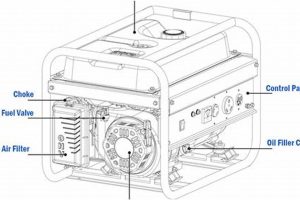
Propane generators, similar to gasoline generators, require more extensive maintenance. Regular checks of oil levels, spark plugs, and air filters are essential. Periodic cleaning or replacement of these components ensures efficient and safe operation. Inspecting fuel lines for leaks and ensuring proper ventilation during operation are crucial safety measures. For example, changing the oil at recommended intervals prevents engine wear and ensures optimal performance. Failing to maintain a propane generator can lead to reduced efficiency, increased emissions, and potential malfunctions.
Understanding and adhering to the specific maintenance requirements of each portable non-gas generator type ensures reliable performance, extends the unit’s lifespan, and promotes safe operation. This proactive approach minimizes downtime, reduces the risk of malfunctions, and maximizes the return on investment. Neglecting maintenance can lead to costly repairs, premature failure, and potential safety hazards. Consistent maintenance practices contribute to the long-term viability and effectiveness of these valuable power solutions.
5. Environmental Impact

Portable non-gas generators offer a significant advantage in terms of reduced environmental impact compared to traditional gasoline-powered counterparts. This advantage stems from the elimination of combustion emissions associated with burning fossil fuels. Gasoline generators release greenhouse gases, contributing to climate change and air pollution. Portable non-gas generators, depending on their power source, either eliminate these emissions entirely or significantly reduce them, promoting cleaner air and a smaller carbon footprint. For example, solar-powered generators produce no emissions during operation, relying on renewable solar energy. Battery-powered units also offer emission-free operation, although the manufacturing process of batteries does have an environmental footprint. Even propane-powered generators, while still relying on a fossil fuel, burn cleaner than gasoline, producing fewer harmful emissions.
The reduced environmental impact extends beyond emissions. Noise pollution, a common issue with gasoline generators, is significantly minimized or eliminated with non-gas alternatives. This is particularly important in noise-sensitive environments such as residential areas, campsites, or national parks. The quiet operation of solar and battery-powered generators preserves the tranquility of these spaces. Furthermore, the reduced reliance on fossil fuels contributes to energy independence and decreased demand for finite resources. This shift towards renewable energy sources, as exemplified by solar-powered generators, aligns with global efforts to mitigate climate change and promote sustainable energy practices. Using a solar generator to power a campsite minimizes disruption to the natural environment while reducing reliance on fossil fuels, demonstrating a practical application of this technology’s environmental benefits.
The environmental benefits of portable non-gas generators represent a crucial factor driving their adoption across various sectors. From emergency preparedness to recreational activities and off-grid living, these generators offer a cleaner, quieter, and more sustainable power solution. While challenges remain, such as the environmental impact of battery production and the intermittent nature of solar power, ongoing technological advancements continue to improve the efficiency and sustainability of these devices. Understanding the environmental implications of power generation choices empowers consumers to make informed decisions that align with environmental responsibility and contribute to a more sustainable future. The shift towards cleaner energy solutions is not merely a trend but a necessary step towards mitigating the impacts of climate change and preserving the environment for future generations.
Frequently Asked Questions
This section addresses common inquiries regarding portable non-gas generators, providing concise and informative responses to clarify key aspects of these devices.
Question 1: What are the primary advantages of non-gas portable power sources over traditional gasoline generators?
Key advantages include reduced emissions, quieter operation, and elimination of gasoline storage and handling. These features make them suitable for indoor use, noise-sensitive environments, and situations where gasoline availability is limited.
Question 2: How is the runtime of a battery-powered generator determined?
Runtime depends on battery capacity (measured in amp-hours or watt-hours) and the power consumption of connected devices. Higher battery capacity and lower power consumption result in longer runtimes.
Question 3: What are the limitations of solar-powered generators?
Solar generators rely on sunlight availability for charging. Performance can be affected by weather conditions and limited daylight hours. Supplemental charging methods, such as AC adapters, may be necessary.
Question 4: Are propane generators suitable for indoor use?
Propane generators, like gasoline generators, produce carbon monoxide and should never be operated indoors or in enclosed spaces. Adequate ventilation is crucial for safe operation.
Question 5: What maintenance is typically required for a battery-powered unit?
Battery maintenance includes proper charging practices, avoiding deep discharge and extreme temperatures, and following manufacturer guidelines for storage and usage.
Question 6: How does the environmental impact of propane generators compare to gasoline generators?
Propane generators burn cleaner than gasoline generators, producing fewer harmful emissions. However, they still rely on a fossil fuel and are not as environmentally friendly as solar or battery-powered options.
Understanding these key aspects of portable non-gas generators allows for informed selection and effective utilization. Matching specific power needs and usage scenarios with the appropriate generator type ensures reliable access to power when and where it’s needed.
Continue reading for a detailed comparison of different portable non-gas generator types, including key features, performance metrics, and recommended applications.
Conclusion
Portable non-gas generators represent a significant advancement in power generation technology, offering a range of benefits over traditional gasoline-powered units. This exploration has highlighted the diverse power sources available, including solar, battery, and propane, each with its own advantages and limitations. Portability, a defining characteristic, expands the utility of these generators across various applications, from emergency preparedness and outdoor recreation to remote work and sustainable living. Maintenance requirements vary depending on the power source, with solar and battery options generally requiring less upkeep than propane systems. The reduced environmental impact, particularly in terms of emissions and noise pollution, underscores the importance of these generators in a world increasingly focused on sustainability.
As technology continues to evolve, further advancements in battery technology, solar panel efficiency, and alternative fuel sources are anticipated. These advancements promise even greater portability, higher power output, and extended runtimes. The increasing demand for clean, reliable, and independent power sources positions portable non-gas generators as a crucial component of the future energy landscape. Careful consideration of power needs, portability requirements, and environmental impact will guide consumers and industries toward the most effective and sustainable power solutions. The transition towards cleaner and more versatile power generation is not merely a trend but a necessary step towards a more sustainable and resilient future.