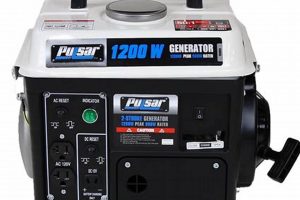
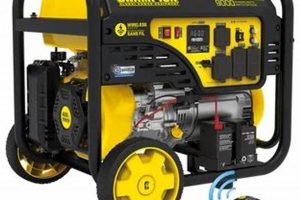
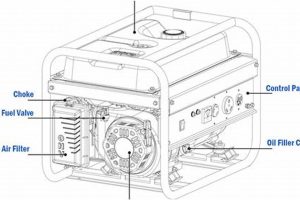
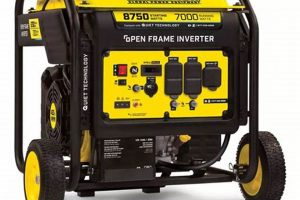
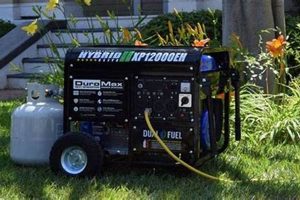
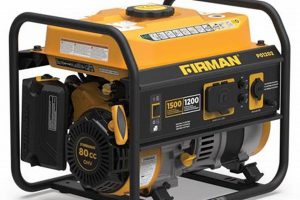
Connecting a portable generator to a residential natural gas supply offers an alternative to gasoline or propane, providing a continuous fuel source for extended operation. This typically involves installing a transfer switch and a natural gas conversion kit specifically designed for the generator model. A licensed professional installs a fixed connection point, typically outdoors, adhering to local codes and regulations. The generator then draws fuel directly from the home’s natural gas line, eliminating the need for refueling.
This method offers several advantages. Natural gas is often more cost-effective than gasoline or propane, leading to lower operating costs. It also eliminates the need to store flammable liquids, enhancing safety and convenience. Furthermore, a continuous fuel supply ensures uninterrupted power during extended outages. The evolution of this practice mirrors advancements in generator technology and the growing need for reliable backup power solutions. Increasingly efficient generators and streamlined conversion processes have made this a practical option for homeowners.
This article will further explore the technical requirements, safety considerations, and regulatory aspects of converting a portable generator for natural gas use. Topics include selecting appropriate conversion kits, understanding installation procedures, and ensuring compliance with local building codes. Guidance on maintenance and troubleshooting will also be provided.
Tips for Natural Gas Generator Conversion
Careful planning and execution are crucial when converting a portable generator to operate on natural gas. The following tips provide essential guidance for a safe and successful conversion process.
Tip 1: Consult Local Codes and Regulations: Regulations regarding natural gas connections vary significantly. Contact the local permitting authority to determine specific requirements and obtain necessary permits before beginning any work.
Tip 2: Engage a Qualified Professional: Natural gas connections should be handled by licensed professionals. This ensures compliance with safety standards and minimizes the risk of leaks or other hazards. Professional installers also possess the expertise to select appropriate piping and fittings.
Tip 3: Choose the Correct Conversion Kit: Select a conversion kit specifically designed for the generator model. Using an incompatible kit can damage the generator or create safety risks. Consult the generator manufacturer’s recommendations for compatible conversion kits.
Tip 4: Ensure Adequate Ventilation: Generators produce exhaust gases, even when running on natural gas. Adequate ventilation is essential to prevent the buildup of carbon monoxide. The generator should be placed outdoors in a well-ventilated area, away from windows and doors.
Tip 5: Install a Transfer Switch: A transfer switch is a critical safety component that prevents backfeeding into the utility grid, protecting utility workers and preventing damage to the generator. Professional installation of a transfer switch is recommended.
Tip 6: Perform Regular Maintenance: Regular maintenance is essential for safe and reliable operation. This includes inspecting the natural gas connection for leaks, checking the oil level, and replacing the air filter as needed. Consult the generator’s owner’s manual for specific maintenance recommendations.
Adhering to these guidelines ensures a safe and effective conversion, providing a reliable backup power source. Careful planning and professional installation are paramount for maximizing the benefits and minimizing the risks associated with natural gas generator conversions.
The subsequent sections will delve deeper into the specifics of each of these tips, offering comprehensive guidance for a successful natural gas generator conversion project.
1. Professional Installation

Professional installation is paramount when connecting a portable generator to a natural gas supply. This process involves intricate procedures requiring specialized knowledge and tools. Incorrect installation can lead to severe consequences, including gas leaks, fires, and explosions. Furthermore, improper electrical connections can damage the generator and pose electrocution risks. A licensed professional understands the complexities of gas piping, pressure regulation, and electrical wiring, ensuring the system’s safe and efficient operation. For example, a professional installer will pressure test the gas lines for leaks before connecting the generator, a critical step often overlooked in DIY installations. This expertise mitigates potential hazards and ensures adherence to local building codes and safety regulations.
The intricacies of natural gas plumbing and electrical work necessitate professional involvement. Tasks such as sizing gas pipes correctly to ensure adequate fuel supply, installing shutoff valves for safety, and integrating the system with the existing electrical panel require technical expertise. Moreover, professionals understand the specific requirements for bonding and grounding the generator and associated components, minimizing electrical hazards. Consider a scenario where an improperly grounded generator could energize the metal frame, posing a significant shock hazard during operation. Professional installation mitigates these risks, ensuring the system functions safely and reliably.
In conclusion, while converting a portable generator for natural gas use might seem appealing as a cost-saving measure, professional installation remains crucial for safety and proper functionality. Attempting this conversion without adequate training and experience can jeopardize property and personal safety. The complexity of fuel systems and electrical wiring necessitates professional expertise to ensure compliance with safety standards and prevent potential hazards. Choosing professional installation safeguards against costly repairs, ensures reliable operation, and, most importantly, protects lives and property.
2. Conversion Kit Compatibility

Conversion kit compatibility is a critical factor in successfully and safely connecting a portable generator to a natural gas supply. Using an incompatible kit can lead to a range of issues, from inefficient operation and potential damage to the generator, to dangerous situations like gas leaks and fires. Selecting the correct kit ensures proper functionality, safe operation, and adherence to manufacturer specifications.
- Engine Specifications:
Different generator models have varying engine sizes, fuel requirements, and airflow characteristics. A compatible conversion kit must match these specifications precisely. For example, a kit designed for a smaller engine might not provide adequate fuel flow for a larger engine, leading to performance issues or even engine damage. Conversely, an oversized kit could flood the engine with excess fuel, creating a fire hazard. Therefore, careful consideration of engine specifications is paramount when selecting a conversion kit. The kit’s documentation should explicitly state the compatible generator models.
- Gas Pressure Regulation:
Natural gas pressure delivered to residences varies. Conversion kits incorporate regulators to ensure the generator receives the correct fuel pressure. Using an incompatible regulator can lead to insufficient fuel delivery, causing the generator to stall under load, or excessive pressure, which can damage internal components. Specific regulator requirements are outlined in the generator and conversion kit documentation. For instance, a kit designed for low-pressure systems may malfunction if connected to a high-pressure line, potentially causing damage or creating a safety hazard.
- Component Materials and Construction:
The materials used in the conversion kit’s components, such as hoses, fittings, and regulators, must be compatible with natural gas. Using inappropriate materials can lead to leaks, corrosion, and ultimately, system failure. High-quality conversion kits utilize durable, corrosion-resistant materials designed to withstand the chemical properties of natural gas and the operating environment. Using substandard materials can compromise safety and reliability. For example, a hose not rated for natural gas might degrade over time, leading to leaks and potential fire hazards.
- Manufacturer Approvals and Certifications:
Reputable conversion kits undergo rigorous testing and certification processes to ensure they meet safety and performance standards. Using a kit lacking appropriate certifications could void the generator’s warranty and create safety risks. These certifications indicate that the kit has been designed and tested for compatibility with specific generator models and adherence to industry standards. For example, a certified kit will typically include safety features such as automatic shutoff valves in case of a leak. Choosing a certified kit offers assurance of quality, safety, and compatibility.
Careful selection of a compatible conversion kit is essential for the safe and effective operation of a natural gas-powered portable generator. Overlooking compatibility aspects can compromise safety, hinder performance, and potentially damage the generator. Therefore, adhering to manufacturer recommendations and consulting with qualified professionals is crucial for selecting the appropriate conversion kit and ensuring a successful and safe installation.
3. Proper Ventilation
Proper ventilation is paramount when operating a portable generator, especially one connected to a natural gas supply. Combustion engines, regardless of fuel type, produce exhaust gases containing carbon monoxide (CO), a colorless, odorless, and highly toxic gas. Insufficient ventilation can lead to dangerous CO buildup, posing significant health risks. Ensuring adequate airflow prevents CO accumulation and safeguards individuals in proximity to the operating generator.
- Placement Considerations
Generator placement plays a crucial role in proper ventilation. Generators should never be operated indoors, including garages, basements, or enclosed spaces. Outdoor placement is essential, and even then, careful consideration of prevailing winds and nearby structures is necessary. Locating a generator too close to a building can cause exhaust gases to recirculate, leading to CO buildup. For instance, positioning a generator near a window or air intake vent could inadvertently draw exhaust fumes into the building. Ideally, generators should be placed at a safe distance from structures, with prevailing winds carrying exhaust gases away from occupied areas.
- Clearance and Obstructions
Maintaining adequate clearance around the generator is crucial for proper airflow. Obstructions, such as vegetation, debris, or other equipment, can impede the intake and exhaust of air, affecting combustion efficiency and contributing to CO buildup. Sufficient space allows for unrestricted airflow, ensuring proper cooling and efficient exhaust dispersion. For example, placing a generator in tall grass can restrict airflow and increase exhaust gas temperatures, potentially damaging the generator and creating a fire hazard. Maintaining ample clearance around the generator promotes safe and efficient operation.
- Monitoring and Detection
While proper placement and clearance minimize risks, incorporating CO detectors provides an additional layer of safety. CO detectors, strategically placed near the generator and in nearby occupied spaces, can alert individuals to dangerous CO levels. These detectors should be tested regularly and replaced according to manufacturer recommendations. For example, even with proper ventilation, unexpected shifts in wind direction could cause CO to accumulate. A functioning CO detector provides an early warning, allowing individuals to take appropriate action and prevent CO poisoning.
- Dedicated Ventilation Systems
In specific situations, such as enclosed patios or semi-enclosed spaces, implementing dedicated ventilation systems may be necessary to enhance airflow. These systems, which may include exhaust fans or ducting, actively remove exhaust gases and promote fresh air circulation. Such systems are particularly relevant in areas with limited natural ventilation. For example, operating a generator in a partially enclosed area might require an exhaust fan to effectively remove exhaust gases and maintain safe CO levels. Implementing a dedicated ventilation system ensures adequate airflow and reduces the risk of CO buildup.
Proper ventilation is not merely a recommendation but a critical safety requirement when operating a natural gas-powered portable generator. Failure to ensure adequate ventilation can lead to severe health consequences due to CO poisoning. Careful consideration of placement, clearance, monitoring, and, in some cases, the implementation of dedicated ventilation systems, is essential for safe and responsible generator operation.
4. Transfer Switch

Transfer switches play a crucial role in safely connecting a portable generator to a natural gas supply and the home’s electrical system. They serve as the critical link, allowing safe transition from utility power to generator power during an outage and preventing potentially hazardous backfeeding. Understanding their function and importance is essential for anyone considering this type of generator connection.
- Preventing Backfeeding
A primary function of a transfer switch is to prevent backfeeding. Backfeeding occurs when electricity generated by the portable generator flows back into the utility power lines. This poses a significant danger to utility workers who may be repairing downed lines, as they may be unaware of the live current. A transfer switch isolates the generator’s electrical output from the utility grid, eliminating this risk. Without a transfer switch, a homeowner unknowingly energizing their home’s electrical system with a generator could inadvertently electrocute a lineman working on the presumed de-energized lines.
- Safeguarding Home Appliances
Transfer switches also protect home appliances. During an outage, a transfer switch allows selected circuits to be powered by the generator, preventing overload. Attempting to power the entire house with a portable generator can damage both the generator and sensitive electronics due to inconsistent power output. A transfer switch enables selective powering of essential circuits, such as refrigerators, lighting, and heating systems, ensuring safe operation within the generator’s capacity. For example, during a power outage, a homeowner can use a transfer switch to power essential circuits without risking damage to sensitive electronics like computers or televisions.
- Types of Transfer Switches
Several types of transfer switches are available, each suited to different needs. Manual transfer switches require the homeowner to physically move a lever or switch to change the power source. Automatic transfer switches detect a power outage and automatically switch to the generator, offering greater convenience. Choosing the correct type depends on individual requirements and budget. For example, a homeowner prioritizing convenience might opt for an automatic transfer switch, while those seeking a more budget-friendly option might choose a manual transfer switch.
- Professional Installation
Transfer switch installation requires expertise in electrical wiring and adherence to local electrical codes. Incorrect installation can lead to safety hazards and system malfunctions. Licensed electricians possess the knowledge and experience to install transfer switches correctly, ensuring safe and reliable operation. They also ensure proper grounding and bonding, minimizing risks associated with electrical faults. Attempting a DIY installation without proper training and understanding of electrical systems can create significant safety risks and potential damage to the electrical system.
In the context of connecting a portable generator to natural gas, the transfer switch is not merely a component but an indispensable safety and control mechanism. It safeguards both the home’s electrical system and the utility grid, ensuring reliable power delivery during outages and mitigating potential hazards. Its correct selection and professional installation are therefore critical for the safe and effective operation of a natural gas-powered portable generator system.
5. Local Code Compliance
Adherence to local codes and regulations is non-negotiable when connecting a portable generator to a natural gas supply. These codes ensure the safety and reliability of the installation, protecting both the homeowner and the community. Ignoring these regulations can result in fines, invalidate insurance policies, and create significant safety hazards. Understanding and complying with local codes is essential for a legal and safe installation.
- Permitting Requirements
Most jurisdictions require permits for natural gas work, including connecting a generator. Permits ensure the installation meets specific safety standards and adheres to local regulations. Obtaining the necessary permits before commencing any work is crucial. Failure to obtain required permits can result in fines and necessitate costly rework to bring the installation up to code. Permitting processes often involve inspections to verify compliance, further ensuring safety and adherence to regulations. For instance, a permit might specify the required size and type of gas piping, ensuring adequate fuel delivery and minimizing leak risks.
- Gas Piping Specifications
Local codes dictate specific requirements for gas piping materials, sizing, and installation methods. These regulations ensure the integrity of the gas lines and minimize the risk of leaks. Using improper materials or incorrect installation techniques can compromise safety and lead to hazardous situations. Codes might specify the use of specific types of pipe, such as black iron pipe, and dictate appropriate joining methods. For example, using flexible corrugated stainless steel tubing (CSST) might be prohibited in some areas due to lightning-related risks. Adhering to these specifications is crucial for preventing gas leaks and ensuring a safe installation.
- Ventilation Requirements
Local codes often specify ventilation requirements for generator installations, ensuring safe exhaust gas dispersion and preventing carbon monoxide buildup. These regulations might dictate minimum clearances around the generator, exhaust pipe extension requirements, and the use of specific ventilation systems. Failure to comply with these regulations can create hazardous conditions, potentially leading to carbon monoxide poisoning. For instance, a code might require the generator’s exhaust pipe to extend a certain distance above the roofline to prevent exhaust gases from accumulating near windows or doors.
- Electrical Connections and Transfer Switches
Electrical connections, including the installation of transfer switches, must comply with local electrical codes. These codes address wiring methods, grounding requirements, and the proper installation of transfer switches to prevent backfeeding into the utility grid. Improper electrical work can create fire hazards and pose electrocution risks. Codes typically specify the type and size of wiring permitted, the required grounding methods, and the proper connection of the transfer switch to the generator and the home’s electrical panel. For example, a code might require the use of a specific gauge wire for the connection between the generator and the transfer switch to ensure safe current carrying capacity.
Complying with local codes when connecting a portable generator to natural gas is not merely a legal obligation; it is a critical safety imperative. These codes represent a collective body of knowledge and best practices designed to protect individuals and property. Ignoring these regulations can have severe consequences, ranging from financial penalties to life-threatening hazards. Ensuring compliance contributes to a safe, reliable, and legally sound installation.
Frequently Asked Questions
This section addresses common inquiries regarding connecting portable generators to natural gas lines. Clear and accurate information is crucial for safe and effective implementation.
Question 1: Is it safe to connect a portable generator to a home’s natural gas supply?
When performed by a qualified professional and in compliance with local codes and regulations, connecting a portable generator to a home’s natural gas supply is considered safe. Professional installation ensures proper gas line connections, adherence to safety standards, and minimizes risks associated with gas leaks or other hazards.
Question 2: What are the primary advantages of using natural gas instead of gasoline or propane?
Natural gas offers several advantages. It eliminates the need for fuel storage, provides a continuous fuel supply for extended operation during outages, and often results in lower operating costs compared to gasoline or propane. Furthermore, natural gas burns cleaner, reducing emissions.
Question 3: What type of professional should be contacted for this type of installation?
A licensed plumber or gas fitter experienced in natural gas line installations should be consulted. Additionally, a qualified electrician is necessary for connecting the generator to the transfer switch and the home’s electrical system. Verifying licensing and insurance is recommended.
Question 4: Are there specific permits required for this type of connection?
Permitting requirements vary depending on local jurisdictions. Contacting the local building department or permitting authority is essential to determine specific requirements and obtain necessary permits before commencing any work. Failure to obtain required permits can result in fines and delays.
Question 5: What safety precautions should be considered during operation?
Ensuring proper ventilation is crucial. Generators should always be operated outdoors in well-ventilated areas to prevent carbon monoxide buildup. Regular maintenance, including checking for gas leaks and proper oil levels, is also essential for safe and reliable operation. Installing carbon monoxide detectors near the generator’s operating area provides an additional safety measure.
Question 6: How does a transfer switch contribute to the safety of a natural gas generator setup?
A transfer switch isolates the generator’s electrical output from the utility power grid, preventing backfeeding. Backfeeding can energize downed power lines, posing a serious threat to utility workers. A transfer switch also protects home appliances from potential damage due to voltage fluctuations and overload.
Safety and compliance with local regulations are paramount when connecting a portable generator to a natural gas supply. Consulting with qualified professionals and adhering to established guidelines ensure a safe, reliable, and code-compliant installation.
The following section provides a comprehensive checklist for preparing for a natural gas generator installation.
Connecting a Portable Generator to Natural Gas
Connecting a portable generator to a natural gas supply offers a compelling alternative to traditional gasoline or propane-fueled operation. This comprehensive exploration has highlighted the key aspects of this process, emphasizing the critical importance of professional installation, conversion kit compatibility, proper ventilation, transfer switch integration, and strict adherence to local codes and regulations. Each element plays a crucial role in ensuring safe, reliable, and efficient operation, mitigating potential hazards and maximizing the benefits of a continuous fuel source.
Careful consideration of these factors is essential for anyone contemplating this conversion. Safeguarding life and property requires diligent planning, professional execution, and unwavering commitment to established safety protocols. A properly installed natural gas-powered portable generator provides invaluable peace of mind, ensuring a reliable source of backup power during unforeseen outages and contributing to enhanced resilience in the face of power disruptions.