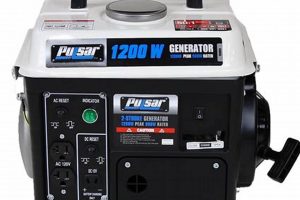
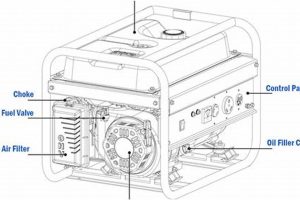
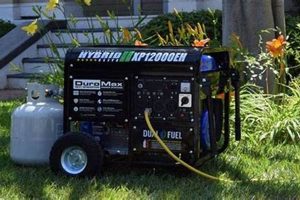
Mobile electricity-producing devices fueled by natural gas offer a convenient and reliable power source for various applications. These units utilize an internal combustion engine to convert the chemical energy of natural gas into electrical energy. A typical example would be a unit providing power for tools on a construction site where grid electricity is unavailable, or serving as a backup power source for a home during a power outage.
Compared to gasoline-powered counterparts, these devices offer several advantages. Natural gas is often a cleaner-burning and more cost-effective fuel. Additionally, the connection to a readily available natural gas supply, either through a utility line or a portable tank, eliminates the need for frequent refueling. Historically, portable power generation relied heavily on gasoline and diesel. The increasing availability and infrastructure for natural gas, coupled with growing environmental concerns, have contributed to the rise in popularity of this alternative.
The following sections will delve into specific aspects of these power sources, including their various types, sizing considerations, safety precautions, and maintenance requirements.
Operating Tips for Natural Gas-Powered Portable Generators
Safe and efficient operation of natural gas-powered portable generators requires attention to several key factors. The following tips offer guidance for maximizing performance and ensuring user safety.
Tip 1: Proper Ventilation is Crucial: These generators produce exhaust gases containing carbon monoxide, a colorless and odorless gas that can be fatal. Always operate the generator in a well-ventilated area, far from windows, doors, and vents.
Tip 2: Secure Fuel Connections: Before starting the generator, ensure all natural gas connections are tight and free from leaks. Check for leaks using soapy water applied to the connections. Bubbles indicate a leak that requires immediate attention.
Tip 3: Grounding for Safety: Proper grounding is essential to prevent electrical shock. Follow manufacturer instructions for grounding the generator correctly.
Tip 4: Regular Maintenance: Routine maintenance, including oil changes, air filter cleaning, and spark plug replacement, ensures optimal performance and extends the generator’s lifespan. Consult the owner’s manual for specific maintenance intervals.
Tip 5: Proper Load Management: Avoid overloading the generator. Determine the wattage requirements of the devices to be powered and ensure the generator’s capacity meets or exceeds the total load.
Tip 6: Safe Refueling Procedures (for portable tanks): If using a portable natural gas tank, ensure the generator is turned off and cooled down before refueling. Refuel in a well-ventilated area away from ignition sources.
Tip 7: Storage Considerations: When storing the generator, ensure it is in a dry, well-ventilated area. For extended storage periods, drain the fuel system according to the manufacturer’s instructions.
Adhering to these guidelines promotes safe and efficient operation, prolongs the generator’s life, and minimizes the risk of accidents.
By understanding and implementing these operational best practices, users can fully utilize the benefits of natural gas-powered portable generators while ensuring safety and optimal performance. The subsequent conclusion provides a final overview of the key advantages and considerations discussed.
1. Portability

Portability represents a defining characteristic of natural gas-powered portable generators, directly influencing their suitability for various applications. This characteristic hinges on factors like the unit’s physical dimensions, weight, and the presence of features such as wheels and handles. The portability of these generators allows them to be readily transported to locations where temporary power is required, differentiating them from permanently installed standby generators. For example, a compact, lightweight unit might be easily carried to a remote campsite, while a larger, wheeled model could be transported to a construction site or used for tailgating. The degree of portability directly impacts the practicality of using these generators in diverse scenarios.
Consider a contractor needing power for tools at various job sites. A highly portable generator allows for seamless transition between locations, enhancing workflow efficiency. Conversely, a homeowner seeking backup power during outages might prioritize a slightly larger, less portable unit with higher power output and extended runtime, accepting reduced portability for increased capacity. The trade-off between portability and other factors like power output and runtime must be carefully considered based on specific needs. Furthermore, the availability of portable natural gas tanks further enhances the portability aspect, eliminating reliance on a fixed natural gas line connection.
In summary, portability is a crucial factor influencing the practical applications of natural gas-powered portable generators. Balancing portability with power output, runtime, and other relevant factors requires careful evaluation based on the intended use case. Understanding this interplay enables informed decisions regarding generator selection, ensuring the chosen unit aligns with the specific demands of the task at hand. This careful consideration ultimately maximizes the utility and value derived from these versatile power sources.
2. Fuel Source (Natural Gas)
Natural gas serves as the defining fuel source for these portable generators, influencing their operational characteristics, environmental impact, and cost-effectiveness. The combustion of natural gas within the generator’s engine drives the mechanical process that ultimately produces electricity. This reliance on natural gas distinguishes these units from gasoline, diesel, or propane-powered alternatives, each possessing unique fuel-related attributes. The choice of natural gas as a fuel source offers several distinct advantages. Natural gas typically burns cleaner than gasoline or diesel, resulting in reduced emissions of pollutants such as carbon monoxide, nitrogen oxides, and particulate matter. This characteristic makes natural gas-powered generators a more environmentally friendly option, particularly relevant in situations where air quality is a concern.
Furthermore, the cost of natural gas is often lower than that of gasoline or diesel, leading to potential long-term operational cost savings. This economic advantage becomes increasingly significant with extended generator usage. For instance, in applications requiring frequent or prolonged operation, such as construction sites or backup power during extended outages, the lower fuel cost of natural gas can translate to substantial savings. The accessibility of natural gas also contributes to operational convenience. Generators can be connected directly to a natural gas utility line, eliminating the need for frequent refueling. Alternatively, portable natural gas tanks offer flexibility for applications where a fixed natural gas line is unavailable, such as camping or remote job sites. This fuel source flexibility enhances the overall usability of these generators.
In conclusion, the utilization of natural gas as a fuel source significantly shapes the practical value proposition of portable generators. Factors such as cleaner emissions, potential cost savings, and fuel accessibility contribute to the appeal of these units for a wide range of applications. Understanding the implications of natural gas as a fuel source is essential for informed decision-making regarding generator selection and usage, enabling users to optimize performance, minimize environmental impact, and control operating costs.
3. Power Output
Power output, measured in watts or kilowatts, represents a critical specification for natural gas-powered portable generators, directly determining their capability to operate electrical devices. Understanding power output is crucial for selecting a generator that adequately meets specific power demands. Insufficient power output can lead to overloaded circuits, potential generator damage, and the inability to operate intended devices. Conversely, excessive power output can result in unnecessary fuel consumption and increased operating costs.
- Starting Watts vs. Running Watts
Starting watts refers to the surge of power required to initially start electric motors, which can be significantly higher than the power needed to sustain operation. Running watts, conversely, represents the continuous power supply the generator provides. For instance, a refrigerator might require 1,200 starting watts but only 700 running watts. Selecting a generator based solely on running watts could result in an inability to start the appliance. Carefully considering both starting and running wattage requirements of intended devices is essential.
- Total Load Calculation
Accurately calculating the total power demand involves summing the wattage requirements of all devices planned for simultaneous operation. Adding the running watts of each device provides the baseline power requirement. However, devices with high starting watts, like refrigerators or air conditioners, must be factored in to avoid overloading the generator. For example, a household requiring 3,000 running watts and an additional 2,000 starting watts for an air conditioner would need a generator capable of handling at least 5,000 watts at peak demand.
- Power Output and Generator Size/Cost
Power output directly correlates with generator size and cost. Higher power output typically necessitates larger, more expensive generators. Smaller, more portable generators generally offer lower power output, suitable for powering essential devices or smaller appliances. Larger, less portable units provide higher power output, capable of supporting more demanding loads, such as multiple power tools or household appliances during an outage. Balancing power requirements with portability and budget considerations is crucial for optimal generator selection.
- Power Output and Fuel Consumption
Power output directly influences fuel consumption. Higher power output typically results in greater fuel consumption. While larger generators offer increased capacity, they also consume more fuel per hour of operation. Conversely, smaller generators consume less fuel but may not be suitable for powering demanding loads. Understanding the relationship between power output and fuel consumption is vital for managing operating costs and ensuring efficient fuel usage. Choosing a generator with a power output appropriate for the intended load minimizes unnecessary fuel consumption.
In summary, carefully considering power output requirements is fundamental for selecting a natural gas-powered portable generator that effectively meets specific needs. Evaluating starting and running watts, accurately calculating total load, and understanding the relationship between power output, generator size/cost, and fuel consumption are crucial for ensuring optimal performance, cost-effectiveness, and safe operation. Making an informed decision regarding power output ensures that the selected generator aligns seamlessly with the intended application, maximizing its practical value and minimizing potential issues.
4. Runtime
Runtime, denoting the duration a portable natural gas generator can operate continuously on a given fuel supply, represents a critical factor influencing its practical utility. This duration, often measured in hours, directly impacts the generator’s suitability for various applications, from emergency power supply during outages to powering equipment at remote locations. Understanding the factors affecting runtime is essential for selecting a generator that aligns with specific power duration requirements.
- Fuel Tank Capacity
The generator’s fuel tank capacity directly influences its potential runtime. Larger fuel tanks generally allow for longer operation before refueling becomes necessary. For instance, a generator with a larger fuel tank can provide extended power during prolonged outages, while a smaller tank might be sufficient for shorter-duration needs like powering tools at a job site. The trade-off between tank size, portability, and desired runtime must be considered.
- Load and Power Output
The load placed on the generator, determined by the power consumption of connected devices, significantly impacts runtime. Higher power demands reduce runtime, as the generator consumes fuel more rapidly to meet the increased load. Operating the generator at a lower load, powering fewer devices or devices with lower wattage requirements, extends runtime. Efficiently managing the load maximizes the duration of operation on a single fuel tank.
- Generator Efficiency
The generator’s efficiency, representing the ratio of power output to fuel consumption, plays a crucial role in determining runtime. More efficient generators convert a higher percentage of fuel energy into usable electricity, resulting in longer runtimes on the same amount of fuel. Technological advancements continuously improve generator efficiency, leading to longer operational durations and reduced fuel costs.
- External Factors
External factors, such as ambient temperature and altitude, can influence generator runtime. Extreme temperatures can affect engine performance and fuel consumption, potentially impacting runtime. Similarly, higher altitudes can reduce engine efficiency, requiring more fuel to maintain power output and consequently reducing runtime. Understanding the potential effects of external factors is essential for accurate runtime estimation and appropriate generator selection for specific operating environments.
In summary, runtime represents a crucial consideration when selecting a portable natural gas generator. Factors such as fuel tank capacity, load, generator efficiency, and external factors all contribute to the overall operational duration. Careful evaluation of these factors, in conjunction with specific power requirements, ensures the chosen generator provides sufficient power for the intended application. Understanding the interplay of these elements enables informed decisions, maximizing the practical value and utility of these versatile power sources.
5. Emissions
Emissions from portable generators represent a critical environmental consideration, particularly concerning air quality and overall environmental impact. Natural gas-powered portable generators, while generally cleaner than gasoline or diesel counterparts, still produce emissions that require careful management and understanding. Examining the specific components of these emissions provides crucial insights for responsible generator usage and minimizing environmental impact.
- Carbon Monoxide (CO)
Carbon monoxide, a colorless, odorless, and highly toxic gas, constitutes a significant component of generator exhaust. Incomplete combustion of natural gas within the generator’s engine leads to CO production. Exposure to elevated CO levels can cause severe health problems and even fatalities. Ensuring adequate ventilation during generator operation is paramount to mitigate the risks associated with CO emissions. For instance, operating a generator in an enclosed space without proper ventilation can rapidly lead to dangerous CO buildup. Therefore, operating these generators outdoors in well-ventilated areas is crucial for user safety.
- Nitrogen Oxides (NOx)
Nitrogen oxides, a group of gases contributing to smog and acid rain formation, also constitute a notable component of generator emissions. High-temperature combustion within the generator’s engine facilitates the reaction between nitrogen and oxygen in the air, producing NOx. These emissions contribute to respiratory problems and environmental degradation. While natural gas generators produce less NOx than gasoline or diesel units, minimizing their overall environmental impact requires responsible operation and maintenance. Regulatory standards often limit permissible NOx emission levels, influencing generator design and operation.
- Particulate Matter (PM)
Particulate matter, encompassing tiny particles and liquid droplets suspended in the air, constitutes another component of generator exhaust. While natural gas generators produce significantly less PM than diesel generators, they still contribute to overall particulate matter levels. These particles can penetrate deep into the lungs, posing health risks, particularly for individuals with respiratory conditions. Furthermore, PM contributes to haze and reduced visibility. Regular maintenance, including air filter replacement, can help minimize PM emissions.
- Greenhouse Gases
While natural gas combustion produces fewer greenhouse gases than gasoline or diesel, it still contributes to carbon dioxide emissions, a primary greenhouse gas linked to climate change. The environmental impact of these emissions necessitates considering the overall carbon footprint associated with generator usage. Exploring alternative energy sources and optimizing generator efficiency represent ongoing efforts to mitigate the long-term environmental impact of these emissions.
Understanding the specific emission components of portable natural gas generators is crucial for responsible usage and minimizing environmental impact. While offering advantages over gasoline or diesel counterparts in terms of reduced emissions, natural gas generators still require careful operation and maintenance. Considering factors such as ventilation, regular maintenance, and the overall carbon footprint associated with generator usage contributes to mitigating potential environmental and health risks. Continued advancements in generator technology and exploration of alternative energy sources represent ongoing efforts to further reduce the environmental impact of portable power generation.
6. Safety Features

Safety features in portable natural gas generators are crucial for mitigating potential hazards associated with their operation. These features are designed to protect users from risks such as carbon monoxide poisoning, fire, electric shock, and equipment damage. Understanding and utilizing these safety features is paramount for safe and responsible generator operation.
- Automatic Shutoff for Low Oil Levels
This feature automatically shuts down the generator’s engine when oil levels drop below a critical threshold. Low oil levels can cause significant engine damage, potentially leading to costly repairs or complete engine failure. This automatic shutoff mechanism protects the engine from damage, prolonging its lifespan and preventing potential malfunctions that could create hazardous situations. This feature is particularly crucial for extended operation or in situations where regular oil level monitoring might be overlooked.
- Overload Protection
Overload protection prevents damage to the generator when excessive electrical loads are applied. Attempting to draw more power than the generator’s rated capacity can damage its electrical components and pose a fire hazard. Overload protection circuits automatically shut down the generator in overload situations, preventing damage and mitigating the risk of fire. This safety feature protects both the generator and connected devices from potential harm.
- Carbon Monoxide (CO) Sensors and Alarms
CO sensors continuously monitor the air surrounding the generator for the presence of carbon monoxide. If CO levels exceed a predetermined safety threshold, an alarm sounds, alerting users to the potential danger. This feature is crucial for preventing CO poisoning, a serious health hazard that can be fatal. Given that CO is colorless and odorless, these sensors provide an essential early warning system, enabling users to take appropriate action to avoid exposure.
- Spark Arrestors
Spark arrestors are devices incorporated into the generator’s exhaust system designed to trap sparks generated during combustion. These sparks, if released, can ignite flammable materials in the surrounding environment, posing a significant fire hazard, particularly in dry or vegetated areas. Spark arrestors minimize the risk of fire by preventing spark discharge, enhancing safe operation in various environments.
The integration of these safety features in portable natural gas generators underscores the importance of user safety and responsible operation. Understanding and utilizing these features, coupled with adherence to manufacturer safety guidelines, significantly reduces potential hazards associated with generator operation. Regular maintenance and inspection of these safety features are essential for ensuring their continued effectiveness and promoting safe and reliable power generation. Ultimately, prioritizing safety maximizes the benefits of portable power while minimizing potential risks.
Frequently Asked Questions
This section addresses common inquiries regarding portable natural gas generators, providing concise and informative responses to facilitate informed decision-making and safe operation.
Question 1: What are the primary advantages of using a natural gas-powered portable generator?
Key advantages include cleaner emissions compared to gasoline or diesel-powered units, potential cost savings due to lower natural gas prices, and convenient fuel access through utility lines or portable tanks.
Question 2: How is the power output of a portable natural gas generator determined?
Power output is measured in watts or kilowatts and indicates the generator’s capacity to operate electrical devices. One must consider both running watts (continuous power) and starting watts (peak power for motor startup) when selecting a generator.
Question 3: What safety precautions are essential when operating a portable natural gas generator?
Essential safety precautions include operating the generator in a well-ventilated area to prevent carbon monoxide buildup, ensuring proper grounding to avoid electric shock, and following manufacturer guidelines for refueling and maintenance.
Question 4: How does the runtime of a portable natural gas generator correlate with its fuel tank capacity?
Runtime, the duration a generator can operate on a single fuel fill, is directly influenced by fuel tank capacity. Larger tanks generally provide longer runtimes. However, load size and generator efficiency also affect the actual operational duration.
Question 5: What environmental considerations are associated with portable natural gas generators?
While generally cleaner than gasoline or diesel alternatives, these generators still produce emissions, including carbon monoxide, nitrogen oxides, and particulate matter. Proper ventilation and maintenance minimize environmental impact.
Question 6: What maintenance procedures are recommended for optimal generator performance and longevity?
Recommended maintenance includes regular oil changes, air filter cleaning or replacement, spark plug replacement, and periodic inspection of fuel lines and connections. Adhering to the manufacturer’s maintenance schedule ensures optimal performance and extends the generator’s lifespan.
Careful consideration of these frequently asked questions provides a foundational understanding of portable natural gas generators, enabling informed selection, safe operation, and responsible usage. This knowledge empowers users to harness the benefits of these versatile power sources while mitigating potential risks.
The subsequent conclusion summarizes the key advantages and considerations discussed throughout this comprehensive overview.
Conclusion
Portable natural gas generators offer a compelling solution for mobile power needs. Their utilization of natural gas presents advantages in terms of reduced emissions compared to gasoline or diesel alternatives, potential cost savings due to generally lower fuel prices, and convenient fuel access through existing utility lines or portable tanks. However, careful consideration of factors such as power output, runtime, safety features, and required maintenance is essential for maximizing the benefits and ensuring safe, responsible operation. Understanding the nuances of these power sources empowers informed decision-making regarding selection, usage, and maintenance.
As technology continues to advance, further refinements in efficiency, emission reduction, and safety enhancements are anticipated. Exploration of alternative fuels and integration of smart technologies promise to further elevate the capabilities and sustainability of portable power generation solutions. Careful evaluation of individual needs and priorities, coupled with a commitment to responsible usage, ensures that these versatile power sources contribute effectively to meeting diverse power requirements while minimizing environmental impact.