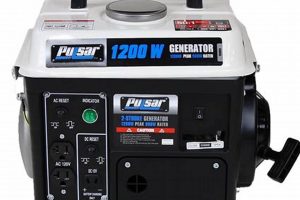
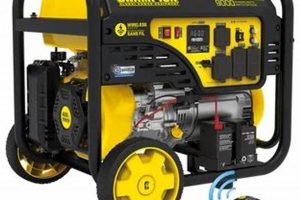
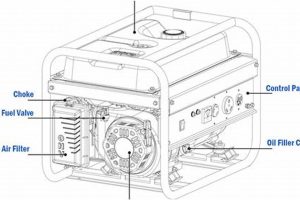
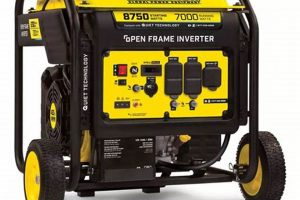
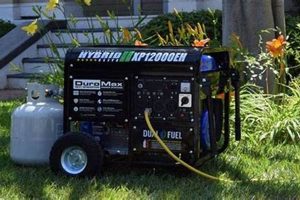
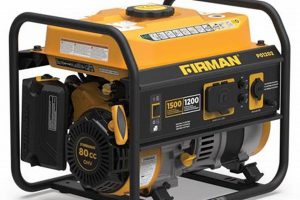
Adapting a portable generator for natural gas fuel involves modifying the unit to accept a piped fuel source rather than gasoline or propane. This typically requires a conversion kit specific to the generator model and adherence to local safety codes and regulations. A properly installed conversion kit allows the generator to draw fuel directly from a home’s gas line, offering a continuous power supply during outages without the need to refill a fuel tank.
Integrating a portable generator with a residential natural gas system provides significant advantages. It eliminates the logistical challenges associated with storing and replenishing gasoline, offering a reliable and readily available fuel source. This integration also contributes to enhanced safety by reducing the risks related to handling flammable liquids. Historically, generators relied primarily on portable fuels. However, the increasing demand for reliable backup power, coupled with advancements in conversion technology, has driven the adoption of natural gas as a preferred fuel option for these units.
This approach to power generation during emergencies requires careful consideration of several factors. Understanding the conversion process, selecting appropriate equipment, adhering to safety guidelines, and ensuring proper installation are crucial for successful and safe operation. The following sections will explore these topics in detail, providing a comprehensive guide to safely and effectively powering a portable generator with natural gas.
Tips for Natural Gas Generator Conversion
Successfully converting a portable generator to utilize natural gas requires careful planning and execution. The following tips offer guidance for a safe and effective conversion process.
Tip 1: Professional Consultation: Consulting a qualified technician is paramount. Expertise in local codes and regulations ensures compliance and safe installation. Professional assessment of the existing gas system verifies adequate capacity and safe integration with the generator.
Tip 2: Kit Selection: Choosing the correct conversion kit specifically designed for the generator model is crucial. Compatibility ensures proper function and safeguards against potential hazards. Thorough review of kit components and instructions confirms suitability.
Tip 3: Proper Installation: Adherence to manufacturer instructions and local codes during installation is essential. Correct fitting of all components and secure connections prevent leaks and ensure reliable operation. Professional installation is strongly recommended for complex setups.
Tip 4: Leak Testing: Thoroughly testing for leaks after installation is non-negotiable. Using soapy water to check connections identifies potential leaks before operation. Addressing any leaks immediately prevents hazardous situations.
Tip 5: Ventilation: Adequate ventilation around the generator remains critical, even with natural gas. Proper airflow dissipates heat and prevents carbon monoxide buildup. Positioning the generator outdoors and away from windows and doors ensures safe operation.
Tip 6: Regular Maintenance: Ongoing maintenance ensures reliable performance and longevity. Regular inspection of connections and components identifies potential issues. Scheduled professional servicing maximizes the generator’s lifespan.
Tip 7: Emergency Shut-Off: Easy access to an emergency shut-off valve for the gas supply is vital. Quick shut-off capability mitigates risks in emergencies. Clear marking and accessibility ensure prompt action when necessary.
Adhering to these guidelines ensures a safe and successful conversion, providing a reliable backup power solution integrated with the existing natural gas system. Careful planning and execution contribute to efficient operation and long-term reliability.
By understanding and implementing these crucial steps, one can establish a robust and secure power backup system leveraging the convenience of natural gas.
1. Safety Regulations

Safety regulations are paramount when connecting a portable generator to a natural gas supply. These regulations ensure the safe and proper installation and operation of such systems, mitigating potential hazards and ensuring long-term reliability. Ignoring these guidelines can lead to serious consequences, including gas leaks, fires, and carbon monoxide poisoning. Understanding and adhering to these regulations is crucial for protecting life and property.
- National Fuel Gas Code (NFPA 54):
This code provides comprehensive guidelines for the installation of natural gas piping systems, including those used for generator connections. It covers aspects like pipe sizing, materials, and testing procedures. Adhering to NFPA 54 ensures the integrity of the gas system, preventing leaks and ensuring safe fuel delivery to the generator. For instance, the code specifies the appropriate type of pipe and fittings to be used based on gas pressure and flow rate.
- Local Building Codes:
Local jurisdictions often have specific requirements that supplement national codes. These might include permits, inspections, and specific installation guidelines tailored to the local environment. For example, some areas may require seismic bracing for gas lines or specific ventilation requirements for generator installations. Consulting with local authorities is essential to ensure compliance.
- Manufacturer’s Instructions:
Generator manufacturers provide specific instructions for connecting their units to natural gas. These instructions typically outline the required conversion kit, installation procedures, and safety precautions. Following these instructions is crucial for maintaining warranty coverage and ensuring safe and reliable operation. Ignoring manufacturer guidelines can void warranties and increase the risk of malfunctions.
- Carbon Monoxide Safety:
Generators produce carbon monoxide, a colorless, odorless, and highly toxic gas. Regulations mandate proper ventilation for generators to prevent carbon monoxide buildup in enclosed spaces. This typically involves installing the generator outdoors, away from windows and doors, and ensuring adequate airflow. Carbon monoxide detectors are also recommended as an additional safety measure.
Adherence to these safety regulations is essential for the safe and effective operation of a natural gas-powered portable generator. Proper installation, in accordance with national and local codes and manufacturer instructions, safeguards against potential hazards. Prioritizing safety ensures reliable performance and protects against the risks associated with natural gas and generator operation.
2. Conversion Kit
A conversion kit plays a pivotal role in adapting a portable generator to operate on natural gas. This kit facilitates the transition from gasoline or propane to a piped natural gas supply, enabling the generator to utilize a readily available fuel source within a residential setting. Selecting and installing the correct conversion kit is crucial for safe and efficient operation.
- Fuel Regulation Components
Conversion kits include components designed to regulate the flow of natural gas to the generator. These components typically include a regulator to control gas pressure and a mixing valve to adjust the air-fuel mixture for optimal combustion. Proper regulation ensures efficient engine performance and minimizes emissions. For instance, a two-stage regulator might be included to maintain consistent pressure even with fluctuating demand. These components directly influence the generator’s ability to function safely and reliably on natural gas.
- Connection Hardware and Tubing
Conversion kits provide the necessary hardware and tubing to connect the generator to the natural gas supply line. This typically includes fittings, connectors, and flexible gas tubing rated for natural gas use. The provided hardware ensures a secure and leak-free connection, preventing hazardous gas leaks. For example, a kit might include a quick-disconnect fitting for easy detachment of the generator when not in use. The quality and proper installation of these components are critical for safe operation.
- Model-Specific Compatibility
Conversion kits are designed for specific generator models. Compatibility ensures proper fit and function of the components within the generator’s existing fuel system. Using an incorrect kit can lead to performance issues, safety hazards, or damage to the generator. Manufacturers typically provide a list of compatible kits for each generator model, ensuring proper selection. Verifying compatibility is crucial before purchasing and installing a conversion kit.
- Installation Instructions and Safety Guidelines
Comprehensive installation instructions and safety guidelines are essential components of a conversion kit. These resources provide step-by-step guidance for proper installation and emphasize safety precautions. Adhering to these instructions is vital for ensuring safe and compliant operation. Instructions typically cover procedures for connecting the gas line, adjusting the regulator, and testing for leaks. Following these guidelines minimizes risks and ensures proper function.
The conversion kit serves as the bridge between a portable generator and a residential natural gas supply. Proper selection and installation, in accordance with manufacturer instructions and safety regulations, enable safe and reliable operation. Understanding the components and their functions within the kit ensures efficient conversion and mitigates potential hazards, making the generator a reliable power source during outages.
3. Professional Installation
Connecting a portable generator to a natural gas supply requires specialized knowledge and adherence to safety regulations. Professional installation is paramount for ensuring the system’s integrity, safety, and compliance with local codes. Attempting a DIY installation without adequate expertise can lead to hazardous situations, including gas leaks, fires, and improper generator operation. Engaging a qualified technician safeguards against these risks and ensures the system functions reliably and safely.
- Code Compliance and Permitting
Professional installers possess in-depth knowledge of local building codes and permitting requirements. They ensure the installation adheres to all regulations, obtaining necessary permits and inspections. This meticulous approach mitigates legal issues and ensures the installation meets safety standards. For instance, a professional installer understands requirements for gas pipe sizing, pressure testing, and ventilation clearances specific to the jurisdiction. This expertise guarantees a compliant and safe installation, protecting homeowners from potential hazards and legal repercussions.
- Gas Line Expertise and Leak Prevention
Working with natural gas lines demands specialized skills and tools. Professional installers have the expertise to safely connect the generator to the gas supply, ensuring leak-free connections and preventing hazardous gas leaks. They utilize specialized equipment for pressure testing and leak detection, identifying and rectifying potential issues before they escalate. For example, they might use a manometer to verify gas pressure and a gas leak detector to identify even minute leaks. This specialized knowledge and equipment are crucial for preventing dangerous gas leaks and ensuring the system’s safe operation.
- Generator Integration and System Optimization
Professional installers understand the intricacies of integrating a generator with a home’s electrical system. They ensure proper connection to the transfer switch, enabling seamless transition to generator power during outages. They also optimize the system for efficient operation, considering factors such as load capacity and fuel consumption. For instance, they might calculate the appropriate generator size based on the home’s power requirements and configure the transfer switch to prioritize essential circuits. This optimization ensures the generator effectively powers the necessary appliances and equipment during an outage.
- Long-Term Reliability and Safety Assurance
Professional installation contributes significantly to the long-term reliability and safety of the generator system. Properly installed systems are less prone to malfunctions and require less maintenance. Regular inspections and maintenance by qualified professionals further enhance the system’s lifespan and ensure continued safe operation. This proactive approach minimizes the risk of future problems and ensures the generator remains a reliable power source for years to come. For example, a professional installer might recommend a schedule for periodic inspections and maintenance, including checking for leaks, cleaning the generator, and testing the transfer switch.
Professional installation is an investment in safety and reliability. It ensures the natural gas generator system functions optimally and adheres to all safety regulations, providing peace of mind during power outages. By entrusting the installation to qualified professionals, homeowners can confidently rely on their backup power system when needed most.
4. Leak Testing

Leak testing is a critical safety procedure following the connection of a portable generator to a natural gas supply. This process verifies the integrity of all connections and components, ensuring no natural gas leaks exist. Undetected leaks pose significant safety hazards, including fire and explosion risks. Thorough leak testing is non-negotiable for safe operation.
- Pressure Testing
Pressure testing involves pressurizing the natural gas lines and connected components to check for leaks. A qualified technician uses specialized equipment, such as a manometer, to monitor pressure and identify any drops indicating a leak. This method provides a comprehensive assessment of the entire system’s integrity. For instance, a pressure drop after pressurization indicates a leak somewhere in the system. Pressure testing verifies the system can safely handle the operating pressure of the natural gas supply.
- Soapy Water Solution
Applying a soapy water solution to gas connections is a common method for detecting leaks. Bubbles form at the leak site due to escaping gas, providing a visual indication of the leak’s location. This simple yet effective technique is particularly useful for pinpointing small leaks that might not be detectable through pressure testing alone. For example, applying soapy water to pipe joints, valve connections, and the connection point to the generator can reveal even minor leaks. This method provides a readily accessible and visually clear indication of leak locations.
- Electronic Leak Detectors
Electronic leak detectors utilize sensors to identify the presence of natural gas in the air. These devices offer high sensitivity and can detect even minute concentrations of gas, providing an early warning of potential leaks. Electronic detectors are especially valuable in areas where visual inspection is difficult. For instance, using a detector around buried gas lines or within enclosed spaces can pinpoint leaks inaccessible by other methods. This technology enhances leak detection capabilities and improves overall safety.
- Regular Inspection Schedule
Establishing a regular leak testing schedule is crucial for ongoing safety. Periodic inspections, especially after significant weather events or periods of inactivity, help identify potential leaks that may develop over time. Regular testing provides an additional layer of safety and prevents the accumulation of gas, mitigating potential hazards. For instance, scheduling annual inspections and tests after severe storms can identify and address leaks promptly, maintaining system integrity. This proactive approach minimizes risks and ensures the system remains safe over its lifespan.
Leak testing, encompassing various methods, is integral to the safe operation of a natural gas-powered portable generator. These procedures verify the system’s integrity and protect against potential hazards. A rigorous approach to leak testing, combined with ongoing maintenance, ensures the safe and reliable performance of the generator system. Neglecting these crucial safety measures compromises the integrity of the system and exposes individuals and property to significant risks.
5. Ventilation

Ventilation is paramount when operating a portable generator, especially one connected to a natural gas supply. Combustion engines, regardless of fuel type, produce exhaust gases, including carbon monoxide, a colorless, odorless, and highly toxic gas. Adequate ventilation safeguards against the accumulation of these gases, preventing potentially fatal consequences. Proper ventilation is not merely a recommendation but a critical safety requirement for protecting life and property.
- Outdoor Placement
Positioning the generator outdoors is the most effective ventilation strategy. Open-air placement allows exhaust gases to dissipate freely, minimizing the risk of accumulation. Choosing a location away from windows, doors, and air intakes prevents exhaust fumes from entering enclosed spaces. For instance, placing the generator downwind from the house minimizes exposure. Outdoor placement is the cornerstone of safe generator operation, regardless of fuel type.
- Clearance Requirements
Maintaining adequate clearance around the generator is crucial for proper airflow. Manufacturers specify minimum clearances for safe operation, ensuring sufficient space for exhaust gases to disperse. These clearances prevent overheating and ensure proper combustion. For example, maintaining a minimum of three feet of clearance on all sides allows for adequate airflow. Ignoring clearance requirements can lead to inefficient operation, overheating, and increased carbon monoxide production.
- Carbon Monoxide Detectors
Installing carbon monoxide detectors in areas near the generator provides an additional layer of safety. These detectors provide early warning of carbon monoxide buildup, even in well-ventilated areas. Detectors should be placed near sleeping areas and in any enclosed spaces potentially affected by generator exhaust. For example, placing detectors in a garage or basement near the generator enhances safety. Carbon monoxide detectors offer crucial early warning, enabling prompt evacuation and preventing exposure to dangerous levels of this toxic gas.
- Enclosure Considerations
While generators should ideally operate in open air, specific enclosures designed for generators can offer some weather protection while maintaining adequate ventilation. These enclosures typically incorporate louvers or vents to facilitate airflow and prevent gas buildup. However, even with an enclosure, careful monitoring of ventilation and carbon monoxide levels remains essential. Improperly designed or installed enclosures can exacerbate risks. Consulting manufacturer guidelines and local codes ensures safe enclosure usage. Prioritizing proper ventilation, even with enclosures, is crucial for safe operation.
Connecting a portable generator to natural gas offers convenience, but it does not eliminate the inherent risks associated with combustion engines. Ventilation remains a critical safety consideration. Adhering to safety guidelines, including outdoor placement, maintaining clearances, installing carbon monoxide detectors, and utilizing appropriate enclosures, ensures safe and responsible generator operation, protecting against the dangers of exhaust gases, particularly carbon monoxide poisoning.
Frequently Asked Questions
This section addresses common inquiries regarding connecting a portable generator to a natural gas supply. Understanding these aspects is crucial for safe and effective operation.
Question 1: Is it safe to connect a portable generator to a home’s natural gas system?
When performed correctly by a qualified professional and in accordance with all applicable codes and regulations, connecting a portable generator to a home’s natural gas system can be a safe and reliable method for backup power. However, improper installation or inadequate ventilation poses significant safety risks.
Question 2: What type of conversion kit is required?
The required conversion kit is specific to the generator model. Consulting the generator manufacturer’s documentation or contacting a qualified technician ensures selection of the correct kit. Using an incompatible kit can result in malfunctions or safety hazards.
Question 3: Can any portable generator be converted to natural gas?
Not all portable generators are suitable for natural gas conversion. Some models are specifically designed for gasoline or propane and may not have compatible conversion kits available. Verifying compatibility with the manufacturer is essential before attempting conversion.
Question 4: Are permits required for this type of installation?
Permitting requirements vary by jurisdiction. Consulting local building authorities is essential to determine necessary permits and inspections. Failure to obtain required permits can result in fines or legal complications.
Question 5: How often should the system be inspected for leaks?
Regular leak testing is essential for maintaining safety. Annual inspections are recommended, along with checks after any significant weather events or extended periods of inactivity. Professional inspection by a qualified technician is advisable.
Question 6: What are the ventilation requirements for a natural gas-powered generator?
Adequate ventilation is crucial to prevent the buildup of carbon monoxide. Generators should always operate outdoors, away from windows, doors, and air intakes. Maintaining proper clearances around the generator, as specified by the manufacturer, is also essential for safe operation.
Safety and proper installation are paramount when connecting a portable generator to a natural gas supply. Consulting qualified professionals and adhering to all regulations ensures reliable operation and mitigates potential risks.
This concludes the frequently asked questions section. The following section will provide further details regarding generator maintenance and troubleshooting.
Connecting a Portable Generator to Natural Gas
Connecting a portable generator to a natural gas supply offers a compelling solution for reliable backup power. This comprehensive exploration has detailed the key considerations, emphasizing the importance of safety regulations, appropriate conversion kit selection, professional installation, rigorous leak testing, and adequate ventilation. Understanding and adhering to these crucial aspects ensures a safe and functional installation, mitigating potential hazards associated with natural gas and generator operation. The information presented provides a foundation for informed decision-making and responsible implementation.
Reliable backup power is increasingly vital in today’s world. Careful planning and execution are crucial for successfully integrating a portable generator with a natural gas system. Prioritizing safety, adhering to regulations, and seeking professional guidance contribute to a robust and secure backup power solution, ensuring preparedness for unforeseen power outages and contributing to enhanced resilience in the face of disruptions.