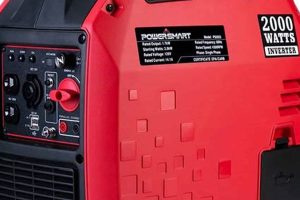
Connecting a reserve power source to a residential electrical system provides a critical backup during outages. This connection, typically achieved through a transfer switch or an inlet box, allows designated circuits to receive power from the alternative source, ensuring essential appliances and systems remain operational. For instance, during a power outage, a homeowner might use such a system to power lights, refrigerators, and heating systems.
The ability to maintain essential services during grid failures offers significant advantages, enhancing safety, comfort, and preserving perishable goods. Historically, reliance on backup power was primarily limited to critical facilities like hospitals. However, increased accessibility and affordability of backup power systems have made residential installations more commonplace, providing homeowners greater resilience against power disruptions and enhancing property value.
This article delves into the key aspects of establishing a residential backup power connection, including selecting appropriate equipment, safety procedures, and regulatory considerations. It aims to provide a comprehensive guide for homeowners seeking to improve their preparedness for power outages.
Safety and Efficiency Tips for Backup Power Connections
Proper installation and operation of a backup power system are crucial for safety and optimal performance. The following tips provide guidance for a secure and effective connection.
Tip 1: Consult Qualified Professionals: Electrical work should be performed by licensed electricians familiar with local codes and regulations. This ensures safe and compliant installation of transfer switches, inlet boxes, and proper grounding.
Tip 2: Select the Right Equipment: Choosing a generator that matches the power requirements of essential appliances is crucial. Overloading a generator can lead to damage and safety hazards. Consult manufacturer specifications and electrician recommendations.
Tip 3: Proper Grounding: Grounding the generator and transfer switch protects against electrical shocks and ensures safe operation. Follow manufacturer instructions and local codes for proper grounding procedures.
Tip 4: Safe Operation: Never operate a generator indoors or in enclosed spaces. Ensure adequate ventilation to prevent carbon monoxide buildup. Keep flammable materials away from the operating generator.
Tip 5: Regular Maintenance: Periodic maintenance, including oil changes, air filter cleaning, and spark plug replacement, ensures optimal generator performance and extends its lifespan. Consult the manufacturer’s manual for recommended maintenance schedules.
Tip 6: Transfer Switch Safety: Never operate the transfer switch while the main utility power is connected. This prevents backfeeding, which can endanger utility workers and damage equipment.
Tip 7: Fuel Safety: Store fuel in approved containers and in a well-ventilated area away from ignition sources. Never refuel a hot generator.
By adhering to these safety and efficiency tips, homeowners can maximize the benefits of a backup power system, ensuring reliable performance and minimizing risks during power outages.
These precautions are essential for safe and reliable operation, setting the stage for a detailed examination of specific components and installation procedures.
1. Safety

Safe operation of a portable generator during a power outage is paramount. Improper installation or use can lead to severe consequences, including electrical shock, fire, and carbon monoxide poisoning. Understanding and mitigating these risks is essential for protecting life and property.
- Electrical Hazards
Connecting a portable generator directly to household wiring without a transfer switch can create a backfeed, energizing the utility lines and posing a lethal threat to utility workers. Additionally, improper grounding can result in electrical shock to anyone coming into contact with the generator or connected appliances. For example, touching a grounded appliance while simultaneously in contact with a poorly grounded generator can create a path for electricity to flow through the body.
- Fire Hazards
Generators produce heat and exhaust, presenting a fire risk if placed too close to flammable materials such as gasoline, propane tanks, or dry vegetation. Spilled fuel during refueling can also ignite, particularly if the generator is still hot. A real-world example would be placing a generator inside a garage next to stored gasoline cans, creating a significant fire hazard.
- Carbon Monoxide Poisoning
Generators emit carbon monoxide, a colorless, odorless, and highly toxic gas. Operating a generator in an enclosed or poorly ventilated area can lead to rapid carbon monoxide buildup, resulting in severe illness or death. For instance, running a generator inside a basement or attached garage, even with the door open, can pose a significant risk of carbon monoxide poisoning.
- Equipment Damage
Overloading a generator by exceeding its wattage capacity can damage the generator and connected appliances. Using improper extension cords or connecting sensitive electronics without voltage regulation can also lead to equipment malfunctions. An example includes attempting to power an entire house with a small portable generator, resulting in generator damage and potential appliance failure.
These safety considerations are critical when connecting and operating a portable generator. Ignoring these precautions can result in serious consequences. Careful planning, proper installation, and diligent operation are essential for ensuring the safe and effective use of a portable generator during a power outage.
2. Compatibility
Compatibility between a portable generator and a home’s electrical system is crucial for safe and effective backup power. Mismatched systems can lead to equipment damage, ineffective power delivery, and safety hazards. Careful consideration of voltage, wattage, and connection types ensures optimal performance and prevents costly mistakes.
- Voltage
Generators commonly produce 120 volts or 240 volts. Home appliances operate at either 120 volts or 240 volts. Connecting a 120-volt appliance to a 240-volt output can cause immediate and irreversible damage. Conversely, connecting a 240-volt appliance, such as an electric dryer, to a 120-volt output will likely result in insufficient power. Verifying voltage compatibility is paramount for safe and effective operation.
- Wattage
The generator’s wattage capacity must meet or exceed the combined wattage requirements of the appliances intended for backup power. Attempting to draw more power than the generator can supply leads to overloading, potentially damaging the generator and connected appliances. Calculating the total wattage of essential appliancesrefrigerator, furnace, sump pumpand selecting a generator with sufficient capacity is critical. For example, a generator with a running wattage of 5,000 watts might suffice for essential appliances, whereas a larger house with more demanding power needs might require a 10,000-watt generator.
- Connection Types
Generators offer various outlets, including standard household receptacles (120V), L14-30 receptacles (240V), and transfer switch compatible connections. Choosing the appropriate connection type depends on the specific application and intended use. For instance, a transfer switch requires a specific connection type and wiring configuration for safe and automatic operation. Using incompatible connections can lead to safety hazards and equipment damage.
- Fuel Type
While not directly related to electrical compatibility, fuel type impacts generator usability. Gasoline, propane, and diesel are common generator fuels, each with advantages and disadvantages regarding availability, storage, and cost. Compatibility considerations extend to having sufficient fuel storage and readily available fuel sources during extended outages.
Addressing these compatibility factors ensures a safe and functional backup power system. Overlooking these essential elements can lead to inefficient operation, equipment damage, and potentially dangerous situations. Careful planning and selection based on specific requirements are crucial for a successful portable generator hookup.
3. Transfer Switch
A transfer switch plays a critical role in safely connecting a portable generator to a home’s electrical system. It acts as a bridge, allowing homeowners to select between utility power and generator power, while preventing both sources from energizing the circuits simultaneously. This crucial safety feature protects both the generator and the utility grid from damage caused by backfeeding. Understanding the function and types of transfer switches is essential for a safe and effective portable generator hookup.
- Preventing Backfeeding
Backfeeding occurs when electricity flows from the generator back into the utility lines, creating a dangerous situation for utility workers. A transfer switch isolates the generator power from the utility power, eliminating this risk. For instance, without a transfer switch, a lineman working on a downed power line could be electrocuted by the power coming from a home generator.
- Types of Transfer Switches
Several types of transfer switches are available, each with its advantages and disadvantages. Manual transfer switches require the homeowner to physically move a lever or switch to change the power source. Automatic transfer switches detect a power outage and automatically switch to the generator. While more expensive, automatic transfer switches provide seamless power transfer without manual intervention.
- Installation and Wiring
Transfer switch installation requires professional electrical expertise. Proper wiring and grounding are crucial for safety and code compliance. The transfer switch must be correctly sized to handle the generator’s output and connected to the designated circuits intended for backup power. Incorrect installation can lead to malfunctions and safety hazards.
- Circuit Selection
Transfer switches allow homeowners to select which circuits receive power from the generator. This enables prioritizing essential loads, such as refrigerators, lighting, and heating systems, while non-essential circuits remain offline. This targeted power distribution maximizes the generator’s capacity and ensures efficient use of backup power.
The transfer switch forms an integral part of a safe and effective portable generator hookup. Its role in preventing backfeeding, providing various operating modes, and enabling circuit selection ensures both safety and efficient power management during outages. Professional installation and careful consideration of load requirements are essential for maximizing the benefits of a transfer switch.
4. Power Cords

Power cords serve as the crucial link between a portable generator and a home’s electrical system, or directly to appliances. Selecting appropriate power cords is essential for safe and efficient operation. Using incorrect or inadequate cords can lead to voltage drops, overheating, and potential fire hazards. Careful consideration of wire gauge, length, and connector types ensures reliable power delivery and prevents equipment damage.
- Wire Gauge and Current Capacity
Wire gauge refers to the thickness of the conductor within the power cord. A lower gauge number indicates a thicker wire capable of carrying higher current. Using a wire gauge too small for the generator’s output can lead to excessive heat buildup, potentially melting the insulation and causing a fire. For instance, a 10-gauge wire is suitable for higher currents than a 14-gauge wire. Selecting the correct wire gauge based on the generator’s amperage rating is crucial for safe operation.
- Cord Length and Voltage Drop
Longer power cords introduce voltage drop, reducing the voltage delivered to the appliances. Excessive voltage drop can damage sensitive electronics and reduce the efficiency of other appliances. Using shorter cords or heavier gauge wires for longer runs minimizes voltage drop. For example, a 100-foot 14-gauge cord will experience a greater voltage drop than a 50-foot 10-gauge cord carrying the same current. Calculating the appropriate cord length and gauge based on distance and load requirements ensures proper voltage delivery.
- Connector Types and Compatibility
Power cords utilize various connector types, each designed for specific applications and voltage levels. Using incorrect connectors can lead to safety hazards and equipment damage. For example, a standard household plug (NEMA 5-15) is not suitable for connecting to a 240-volt generator outlet (L14-30). Matching the connector types on the generator and the transfer switch or appliance is critical for safe and proper connection.
- Cord Condition and Maintenance
Inspecting power cords regularly for damage, such as cuts, abrasions, or exposed wires, is crucial for safety. Damaged cords should be replaced immediately. Proper storage, avoiding kinks and exposure to moisture, prolongs cord lifespan. Regularly checking for and addressing cord damage prevents electrical hazards and ensures reliable power delivery.
The careful selection and maintenance of power cords are integral aspects of a safe and functional portable generator hookup. Overlooking these seemingly minor details can lead to significant safety risks and operational problems. Using appropriate cords ensures efficient power delivery, protects equipment, and prevents hazards, contributing to a reliable backup power system.
5. Legal Compliance
Adhering to legal requirements is crucial for safe and permissible portable generator installations. Regulations vary by jurisdiction and address critical aspects of safety, environmental protection, and neighborhood considerations. Non-compliance can result in fines, legal liabilities, and potential safety hazards. Understanding and fulfilling these requirements ensures a responsible and legally sound installation.
- Permits and Inspections
Many jurisdictions require permits for permanent standby generator installations and, in some cases, even for portable generator connections involving transfer switches. These permits mandate inspections to ensure compliance with electrical codes and safety standards. Failing to obtain necessary permits can lead to fines and legal action. For example, connecting a transfer switch without a permit might result in penalties and require costly rework to meet code requirements.
- Noise Ordinances
Operating generators often produces noise, potentially disturbing neighbors. Local ordinances typically restrict generator operating hours and noise levels. Non-compliance can result in fines and legal disputes with neighbors. For instance, running a generator late at night in a residential area might violate local noise ordinances, leading to complaints and potential fines.
- Emissions Regulations
Generators emit exhaust gases, contributing to air pollution. Some areas have regulations limiting emissions from generators, particularly during air quality alerts. Using generators that meet emission standards and adhering to operating restrictions helps minimize environmental impact. Ignoring emission regulations could result in fines and contribute to local air quality issues.
- Homeowners Association Rules
Homeowners associations (HOAs) often have specific rules regarding generator installations, including placement, appearance, and operating hours. Compliance with HOA regulations is essential to avoid disputes and potential penalties. For example, an HOA might require generators to be screened from view or limit their operation during certain hours.
Legal compliance is an integral aspect of responsible portable generator usage. Ignoring these regulations can lead to legal repercussions, financial penalties, and strained relationships with neighbors. Adhering to local ordinances, obtaining necessary permits, and respecting community guidelines ensures a safe, legal, and considerate approach to portable generator operation.
Frequently Asked Questions
This section addresses common inquiries regarding safe and effective portable generator connections.
Question 1: Is professional installation necessary for a portable generator?
While connecting a generator directly to appliances with approved extension cords can be done without professional assistance, installing a transfer switch always requires a qualified electrician. Incorrect transfer switch installation can create safety hazards and violate electrical codes.
Question 2: What size generator is needed to power a typical home?
Generator sizing depends on the specific power requirements of the appliances one intends to operate. Calculating the total wattage of essential appliances and adding a safety margin is recommended. Consulting an electrician can help determine the appropriate generator size for individual needs.
Question 3: Can a portable generator be used indoors?
Never operate a portable generator indoors or in enclosed spaces. Generators produce carbon monoxide, a colorless, odorless, and deadly gas. Adequate ventilation is crucial for safe operation.
Question 4: How does a transfer switch enhance safety?
Transfer switches prevent backfeeding, which occurs when electricity flows from the generator back into the utility lines. This protects utility workers from electrocution during power outages.
Question 5: What type of extension cord is suitable for a generator?
Use heavy-duty, outdoor-rated extension cords with a wire gauge appropriate for the generator’s output. Undersized cords can overheat, creating a fire hazard. Consult the generator’s documentation for recommended cord specifications.
Question 6: Are there legal requirements for generator installations?
Regulations vary by jurisdiction. Some areas require permits and inspections for transfer switch installations. Noise ordinances and emissions regulations also apply. Researching local requirements ensures compliance and avoids potential penalties.
Understanding these frequently asked questions helps ensure safe and effective generator use, protecting both individuals and property.
This FAQ section offers a starting point for understanding portable generator connections. Consulting qualified professionals and local authorities provides tailored guidance based on specific circumstances.
Connecting a Portable Generator to a Home
Establishing a safe and functional portable generator connection requires careful planning and execution. Key aspects include understanding safety implications related to electrical hazards, fire risks, and carbon monoxide poisoning. Compatibility between the generator and the home’s electrical system is crucial, encompassing voltage, wattage, and connection types. Transfer switches play a vital role in preventing backfeeding and ensuring safe operation. Selecting appropriate power cords and adhering to legal requirements further contributes to a successful and compliant installation. Each of these elements contributes significantly to a secure and reliable backup power solution.
Residential power outages underscore the importance of reliable backup power. A properly configured portable generator connection provides essential support during such disruptions, safeguarding comfort, preserving essential services, and enhancing overall preparedness. Investing in a well-designed and correctly installed system ensures peace of mind and resilience in the face of unforeseen power interruptions.