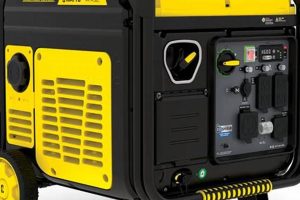
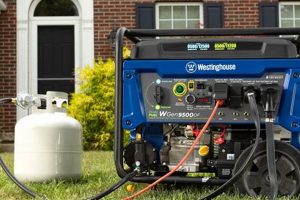
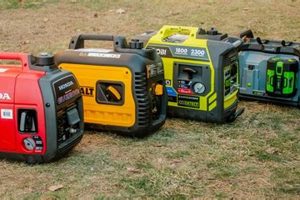
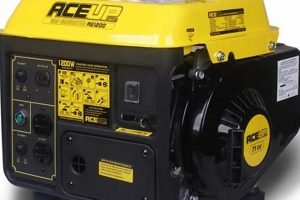
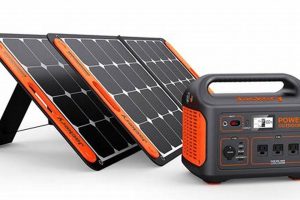
A backup power source for residential use, typically fueled by gasoline or propane, provides electricity during outages caused by natural disasters, grid failures, or other unforeseen events. These devices range in size and power output, enabling operation of essential appliances and systems, such as refrigerators, lighting, heating, and sump pumps, depending on their capacity.
Maintaining power during disruptions offers critical safety and security. Spoilage of refrigerated food, loss of communication, compromised security systems, and disruption of medical equipment can be mitigated. Historically, reliance on candles and other rudimentary solutions posed significant risks. The advent of compact and relatively affordable power generation technology has revolutionized disaster preparedness for homeowners.
Further exploration will cover topics such as selecting the appropriate unit size, fuel types and their respective advantages, safety considerations during operation, proper maintenance, and long-term storage practices.
Safety and Operational Tips for Backup Power
Operating a backup power source requires careful planning and adherence to safety guidelines to mitigate potential hazards and ensure efficient functionality.
Tip 1: Proper Sizing: Accurate assessment of power needs is crucial. Calculate the wattage requirements of essential appliances and systems intended for backup power to select a unit with sufficient capacity. Overloading can damage both the generator and connected devices.
Tip 2: Safe Placement: Operate outdoors in a well-ventilated area, away from windows, doors, and air intakes. Exhaust fumes contain carbon monoxide, a colorless, odorless, and lethal gas. Never operate indoors, including garages or sheds.
Tip 3: Dry Operation: Protect the unit from rain and moisture. Exposure to water can create electrical hazards and damage the generator’s components. A canopy or other protective covering is recommended.
Tip 4: Fuel Safety: Allow the engine to cool completely before refueling. Store fuel in approved containers, away from ignition sources and the generator itself. Spilled fuel poses a significant fire hazard.
Tip 5: Connection Procedures: Utilize a transfer switch for safe connection to household circuits. Direct connection to household wiring can create backfeeding, endangering utility workers and potentially damaging the generator.
Tip 6: Regular Maintenance: Adhere to the manufacturer’s recommended maintenance schedule. Regular oil changes, air filter cleaning, and spark plug replacement ensure reliable operation and prolong the lifespan of the unit.
Tip 7: Carbon Monoxide Detectors: Install functioning carbon monoxide detectors near sleeping areas. These devices provide an early warning of potentially hazardous carbon monoxide buildup.
Adherence to these guidelines ensures safe and effective utilization of backup power, safeguarding both individuals and property during outages.
Careful planning and proactive maintenance are essential for maximizing the benefits of backup power solutions, offering peace of mind during unexpected disruptions.
1. Power Output

Power output, measured in watts, represents a critical specification for backup power solutions. This metric directly determines which appliances and devices can operate simultaneously during an outage. Understanding power requirements is essential for selecting a unit capable of meeting household needs. For example, a refrigerator might require 700 watts, while a sump pump might need 1,500 watts. Attempting to run both simultaneously on a generator with a 2,000-watt output would likely result in overload and potential damage. Correctly matching power output to anticipated load prevents system failures and ensures critical systems remain operational.
Calculating total power requirements involves summing the wattage of all intended devices. Consideration should be given to starting wattage, which is typically higher than running wattage for appliances with electric motors. A generator’s peak or surge wattage rating indicates its ability to handle these temporary higher demands. Failure to account for starting wattage can lead to tripping breakers or stalling the generator. Consulting appliance manuals or contacting manufacturers can provide accurate wattage information. Online resources also offer calculators to assist with load assessment.
Selecting a unit with ample power output provides flexibility and prevents disruptions during outages. While a smaller unit might suffice for basic needs, a larger capacity offers margin for unforeseen demands or the ability to power additional devices. Balancing cost with necessary capacity is a key consideration in selecting an appropriate generator. Prioritizing essential appliances and understanding their power requirements ensures the selected unit can effectively maintain essential functionality during power disruptions.
2. Fuel Type

Fuel type significantly influences the practicality and effectiveness of a backup power solution. Common options include gasoline, propane, and diesel, each possessing distinct characteristics impacting operation, storage, and overall suitability. Gasoline offers widespread availability and generally lower upfront generator cost. However, it has a limited shelf life, degrading over time and potentially causing carburetor issues if left unused for extended periods. Propane, stored in readily available tanks, offers a longer shelf life and cleaner combustion, reducing maintenance requirements. Diesel, while less common for residential units, provides higher fuel efficiency and greater longevity, albeit with higher initial generator costs.
The choice of fuel type impacts logistical considerations. Gasoline requires periodic replenishment and careful storage to prevent degradation. Propane tanks, while requiring less frequent refills, necessitate appropriate storage and handling procedures. Diesel, despite its efficiency, can be more challenging to procure in certain situations. Regional availability and storage capacity influence fuel choice. For instance, homeowners in areas prone to extended outages might favor propane for its longevity, while those in urban environments with easy access to gasoline might find it a more practical option. Evaluating fuel-related logistics based on individual circumstances is critical for effective emergency preparedness.
Matching fuel type to specific needs and circumstances is crucial for ensuring reliable backup power. Factors such as anticipated outage duration, storage capacity, and regional fuel availability should inform this decision. Understanding the advantages and disadvantages of each fuel type allows for selection of the most appropriate option, maximizing the effectiveness of a backup power solution during critical events. Long-term cost considerations, including fuel price volatility and storage requirements, should also factor into the decision-making process.
3. Runtime
Runtime, representing the duration a generator can operate continuously on a single fuel tank, constitutes a critical factor influencing the effectiveness of a home backup power solution. This duration directly impacts the ability to maintain essential services during outages, influencing preparedness strategies and overall resilience. Understanding the factors affecting runtime and their implications is essential for selecting an appropriate generator.
- Fuel Tank Capacity:
Larger fuel tanks directly translate to longer runtimes, reducing the frequency of refueling during extended outages. A larger tank might offer 8-10 hours of operation, while a smaller tank might provide only 4-6 hours. This difference can be crucial during prolonged power disruptions, minimizing the need for potentially hazardous refueling in challenging conditions.
- Load:
The power demand placed on the generator significantly impacts runtime. Operating at full capacity consumes fuel more rapidly than running a smaller number of appliances. For instance, a generator running a refrigerator and a few lights will operate longer than one powering an entire house. Understanding the intended load allows for accurate runtime estimations.
- Engine Efficiency:
Engine design and technology influence fuel consumption rates. More efficient engines extract more energy from the same amount of fuel, extending runtime. Inverter generators, for instance, adjust engine speed based on demand, maximizing fuel efficiency and runtime compared to traditional models.
- Fuel Type:
Different fuel types exhibit varying energy densities, affecting how long a generator can run on a given volume. Diesel generally offers longer runtimes compared to gasoline for the same tank size due to its higher energy density. This factor contributes to the overall cost-effectiveness and practicality of different fuel options.
Careful consideration of runtime, alongside fuel capacity, load requirements, and engine efficiency, is paramount when selecting an emergency portable generator. Balancing these factors against anticipated outage durations and power needs ensures adequate preparedness and uninterrupted operation of essential systems during emergencies. Accurately estimating required runtime based on realistic usage scenarios ensures the chosen generator can effectively bridge the gap during power disruptions, providing essential services and enhancing safety and well-being.
4. Noise Level

Noise level represents a significant consideration when selecting a backup power solution for residential use. These units produce varying degrees of sound during operation, potentially impacting neighbors and creating disturbances, especially during extended use. Sound output is measured in decibels (dB), and levels can range from those comparable to normal conversation to those resembling a loud lawnmower. Choosing a quieter model minimizes disruption and maintains positive community relations during outages. Excessive noise can also contribute to stress and fatigue for those relying on the generator, particularly during prolonged power disruptions.
Several factors contribute to generator noise levels. Engine size and design play a key role; larger engines generally produce more noise. Construction materials and muffler design also influence sound attenuation. Modern inverter generators often incorporate advanced muffler systems and noise-reducing enclosures, resulting in significantly quieter operation compared to traditional models. Operational factors also influence noise levels. Running a generator at full load typically results in higher noise output than operating under partial load. Placement can also impact perceived noise. Positioning the unit away from walls and windows and on a sound-absorbing surface, like a rubber mat, can help minimize noise propagation.
Understanding noise level specifications empowers informed decisions aligned with individual needs and community considerations. Manufacturers typically provide decibel ratings, enabling comparisons between models. Seeking models with lower dB ratings contributes to a more peaceful environment during outages. Municipalities often have noise ordinances regulating permissible sound levels, particularly during nighttime hours. Selecting a generator that complies with local regulations avoids potential fines and maintains positive community relations. Balancing power requirements with acceptable noise levels ensures both functionality and consideration for the surrounding environment during emergency situations.
5. Safety Features
Safety features are paramount in mitigating potential hazards associated with operating backup power solutions. These features protect users, connected equipment, and the surrounding environment. Careful consideration of these features during selection contributes significantly to safe and reliable operation during outages.
- Low-Oil Shutdown
This crucial feature automatically shuts down the engine when oil levels drop below a safe threshold. Preventing operation with insufficient lubrication protects the engine from damage, extending its lifespan and ensuring reliable performance during emergencies. Without this feature, continued operation could lead to catastrophic engine failure, rendering the generator unusable.
- Overload Protection
Overload protection safeguards the generator and connected appliances from damage due to excessive power demands. When the electrical load exceeds the generator’s capacity, this feature activates, either by tripping a circuit breaker or shutting down the unit entirely. This prevents overheating and potential electrical fires, protecting both the generator and the connected devices. Attempting to operate beyond capacity can damage wiring, appliances, and the generator itself.
- Carbon Monoxide (CO) Sensors
Carbon monoxide (CO) sensors are essential safety components, especially for portable generators. CO is a colorless, odorless, and potentially lethal gas produced during combustion. These sensors detect unsafe CO levels and automatically shut down the generator, preventing dangerous exposure. This feature is crucial given the risk of CO poisoning when operating combustion engines in confined or poorly ventilated spaces.
- Covered Outlets
Covered outlets provide protection against weather and accidental contact. These covers prevent moisture from entering the outlets, reducing the risk of electrical shock. They also prevent debris and foreign objects from entering, further enhancing safety. This simple feature significantly reduces the risk of electrical hazards, particularly in outdoor environments.
Prioritizing safety features during generator selection is crucial for minimizing risks and ensuring reliable operation during power outages. These features contribute significantly to overall safety and protect both users and equipment. Understanding their function and importance empowers informed decisions, maximizing the benefits of backup power while mitigating potential hazards. Neglecting these aspects can compromise safety and potentially lead to dangerous situations during critical events.
6. Portability
Portability is a defining characteristic of these generators, directly influencing their practicality and usability during emergencies. This characteristic facilitates ease of transport and deployment, enabling users to position the unit precisely where power is needed. This contrasts with permanently installed standby generators, which lack flexibility in power delivery location. The portability factor proves particularly crucial in scenarios requiring power for specific tasks, such as powering a sump pump in a basement during flooding or providing electricity for essential medical equipment. Real-life examples include using portable generators to power communication devices during natural disasters when grid power is unavailable, enabling vital communication with emergency services or family members. Furthermore, portability allows for utilization in diverse locations, extending beyond residential settings to include recreational activities, remote job sites, or temporary power needs during outdoor events. Consider a scenario where a homeowner needs to power a chainsaw to clear downed trees after a storm; the portability of the generator allows for convenient access to power wherever it is required on the property.
The practical implications of portability extend beyond immediate emergency response. Storing a portable generator requires less dedicated space compared to larger, stationary units. This compact storage footprint makes them suitable for apartments, smaller homes, or situations where dedicated generator space is unavailable. Transporting portable generators for maintenance or repairs is also simplified, reducing logistical challenges and associated costs. Consider the ease with which a homeowner can transport a portable generator to an authorized service center compared to the complexities of servicing a large, permanently installed unit. Furthermore, portability allows for flexibility in usage beyond emergencies. These generators can serve as backup power sources for recreational activities, such as camping or tailgating, showcasing their versatility beyond disaster preparedness.
In summary, portability significantly enhances the practical value of emergency power solutions for homeowners. This feature enables flexible deployment, simplifies storage, and facilitates transport for maintenance, broadening the applicability of these units beyond emergency preparedness. Understanding the practical significance of portability empowers informed decisions during generator selection, ensuring the chosen unit aligns with individual needs and circumstances. While portability offers significant advantages, considerations such as unit weight and incorporated features like wheels and handles influence the actual ease of movement and deployment in various situations.
7. Maintenance

Regular maintenance is essential for ensuring the reliable operation of an emergency portable generator for home use. Neglecting routine upkeep can lead to starting failures, reduced power output, and decreased lifespan. Regular maintenance mitigates these risks, maximizing the generator’s effectiveness during critical power outages. For instance, failure to change the oil regularly can lead to engine seizure, rendering the generator inoperable during an emergency. Similarly, neglecting air filter cleaning can restrict airflow, reducing power output and potentially damaging the engine. A well-maintained generator provides peace of mind, knowing it will function reliably when needed most. Consider a scenario where a homeowner relies on a generator for powering essential medical equipment during a power outage; a well-maintained unit ensures uninterrupted operation, safeguarding health and well-being.
Practical maintenance tasks typically include regular oil changes, air filter cleaning or replacement, spark plug inspection and replacement, and fuel system maintenance. The frequency of these tasks depends on the generator model, usage, and manufacturer recommendations. Consulting the owner’s manual provides specific guidance tailored to the unit. Storing the generator properly also contributes to its longevity. Protecting the unit from the elements, using a fuel stabilizer during storage, and running the generator periodically help prevent fuel degradation and maintain its operational readiness. For example, storing a generator in a dry, covered area prevents rust and corrosion, extending its lifespan. Regularly exercising the generator, even when not in use, helps lubricate internal components and prevents fuel system issues.
In summary, a proactive maintenance schedule is crucial for maximizing the reliability and lifespan of an emergency portable generator. Regular upkeep, coupled with proper storage practices, ensures the generator remains a dependable power source during critical situations. Failure to prioritize maintenance can compromise the generator’s functionality when needed most, potentially jeopardizing safety and well-being. Understanding the importance of maintenance, coupled with adherence to manufacturer recommendations, empowers homeowners to effectively utilize their generators, providing essential power during unforeseen outages.
Frequently Asked Questions
This section addresses common inquiries regarding the selection, operation, and maintenance of backup power solutions for residential applications. Clear and concise answers provide essential information for informed decision-making and safe operation.
Question 1: How is the appropriate generator size determined?
Determining the correct generator size requires calculating the total wattage of appliances and devices intended for simultaneous operation during an outage. Consider both running wattage and starting wattage, which is typically higher for motor-driven appliances. Online calculators and appliance manuals can assist with this assessment.
Question 2: What are the key safety considerations during operation?
Operate generators outdoors in well-ventilated areas, away from structures and air intakes. Never operate indoors. Use a transfer switch for safe connection to household circuits. Allow the engine to cool before refueling, and store fuel safely away from ignition sources.
Question 3: What fuel types are available, and what are their respective advantages?
Common fuel types include gasoline, propane, and diesel. Gasoline offers widespread availability; propane provides a longer shelf life; diesel offers higher efficiency. Fuel choice depends on individual needs and circumstances, considering factors like storage capacity and anticipated outage duration.
Question 4: How frequently should maintenance be performed?
Adhere to the manufacturer’s recommended maintenance schedule outlined in the owner’s manual. Typical tasks include regular oil changes, air filter cleaning, and spark plug replacement. Proper maintenance ensures reliable performance and prolongs the generator’s lifespan.
Question 5: What are the essential safety features to look for?
Critical safety features include low-oil shutdown, overload protection, carbon monoxide (CO) sensors, and covered outlets. These features protect both users and equipment from potential hazards during operation.
Question 6: Where should a portable generator be placed during operation?
Placement should always be outdoors, away from structures, and in a well-ventilated area. Maintain a safe distance from windows, doors, and air intakes to prevent carbon monoxide buildup near occupied spaces. A dry, level surface is ideal for stable operation.
Careful consideration of these frequently asked questions, coupled with thorough research and adherence to safety guidelines, ensures safe and effective utilization of backup power solutions during critical events.
The subsequent sections will delve deeper into specific aspects of selecting, operating, and maintaining a backup power source for residential use.
Conclusion
Residential backup power solutions provide critical resilience against power disruptions. Selection requires careful consideration of power output, fuel type, runtime, noise level, safety features, portability, and maintenance requirements. Proper operation necessitates adherence to safety guidelines, including outdoor placement, ventilation, and connection procedures. Proactive maintenance ensures reliable functionality during emergencies, safeguarding households from the impact of unforeseen outages.
Investing in a backup power solution represents a significant step towards enhancing household resilience. Thorough planning and informed decision-making ensure the chosen unit aligns with specific needs and circumstances, providing essential power during critical events and contributing to peace of mind in an increasingly unpredictable world.