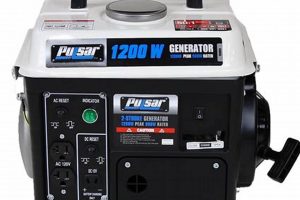
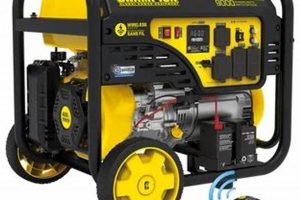
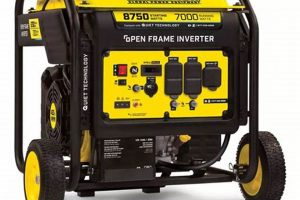
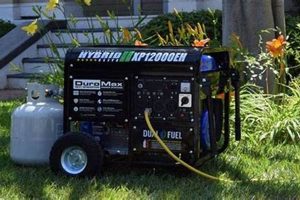
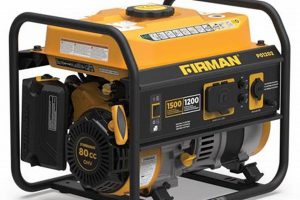
Operating a portable generator involves a series of crucial steps to ensure both safety and effective power delivery. This typically includes checking the oil level, connecting appropriate appliances using properly rated extension cords, starting the generator according to manufacturer instructions (often involving a recoil pull-start or electric key), and allowing it to stabilize before connecting sensitive electronics. Consider a scenario where a power outage disrupts a critical home healthcare device; a portable generator can provide the necessary electricity to bridge the gap until grid power is restored.
Reserve power solutions offer invaluable peace of mind and practical functionality during power disruptions. From powering essential household appliances during blackouts to enabling continued operation of businesses and vital services, these devices play a critical role in maintaining continuity and safety. Historically, access to portable power was limited and cumbersome. Modern advancements in engine technology and power distribution have resulted in smaller, quieter, and more fuel-efficient units, expanding their accessibility and utility for a broader range of applications.
The following sections will delve deeper into the practical aspects of generator operation, including step-by-step starting procedures, safety precautions, proper fuel handling, maintenance best practices, and recommended grounding techniques.
Tips for Safe and Effective Generator Operation
Careful operation ensures optimal performance and mitigates potential hazards.
Tip 1: Consult the Owner’s Manual: Before operating any generator, thoroughly review the manufacturer’s instructions. This document provides model-specific guidance on safe starting procedures, operational limitations, and maintenance requirements.
Tip 2: Proper Ventilation is Crucial: Generators produce carbon monoxide, a colorless, odorless, and deadly gas. Operate generators exclusively in well-ventilated outdoor locations, far from windows, doors, and vents.
Tip 3: Ground the Generator: Proper grounding protects against electrical shock. Consult the owner’s manual for grounding instructions specific to the generator model.
Tip 4: Never Refuel a Hot Generator: Allow the generator to cool completely before refueling to prevent fire hazards.
Tip 5: Use Appropriately Rated Extension Cords: Overloading extension cords can lead to overheating and fire. Ensure cords are rated for the wattage of the connected appliances.
Tip 6: Regular Maintenance is Essential: Routine maintenance, including oil changes and air filter cleaning, ensures reliable performance and prolongs the generator’s lifespan.
Tip 7: Store Fuel Safely: Store fuel in approved containers in a well-ventilated area away from ignition sources.
Tip 8: Dry Hands Are Essential: Always ensure hands are dry before operating the generator or handling electrical connections.
Adherence to these guidelines promotes safe and efficient operation, maximizing the generator’s lifespan and minimizing potential risks.
By understanding and implementing these safety and operational guidelines, users can confidently utilize portable generators as reliable power sources while mitigating potential hazards.
1. Placement (Well-ventilated area)

Safe generator operation hinges on proper placement. Generators produce carbon monoxide, a toxic byproduct of combustion. Adequate ventilation is paramount to prevent dangerous accumulations of this odorless, colorless gas. Correct placement ensures user safety and prevents potential fatalities.
- Open Air Placement
Generators must operate in open-air environments. Enclosed spaces, even partially enclosed areas like garages with open doors, restrict airflow and increase carbon monoxide risks. Placing the generator outdoors, away from buildings and obstructions, allows exhaust fumes to dissipate safely. For example, positioning a generator a safe distance from a house during a power outage ensures adequate ventilation.
- Distance from Buildings
Maintaining a safe distance from buildings is crucial. Exhaust fumes, even in open air, can be drawn into buildings through windows, doors, and vents. Positioning the generator further away minimizes this risk. A minimum distance of 20 feet from any structure is recommended, though greater distances offer enhanced safety. This separation prevents carbon monoxide buildup within inhabited spaces.
- Prevailing Wind Direction
Considering prevailing wind direction enhances safety. Positioning the generator downwind of occupied areas prevents exhaust fumes from being carried towards individuals. Observing wind patterns before placement ensures fumes are directed away from people. This precaution further minimizes exposure to harmful exhaust gases.
- Elevated Surfaces
Using an elevated, stable surface, such as a dry wooden platform, can further improve ventilation. This elevates the generator’s exhaust outlet, promoting better fume dispersal. Avoid placing the generator directly on the ground, especially in damp or wet conditions. This precaution optimizes airflow around the unit and minimizes the risk of moisture-related issues.
Appropriate generator placement is crucial for safe operation. Careful consideration of ventilation requirements, building proximity, wind direction, and surface elevation significantly reduces carbon monoxide poisoning risks. Implementing these placement strategies ensures the well-being of individuals while utilizing the generator. Neglecting these considerations can have severe, potentially fatal consequences.
2. Fuel (Fresh, appropriate type)

Appropriate fuel selection and management are critical for safe and efficient portable generator operation. Using the incorrect fuel type can damage the engine, impacting performance and potentially voiding warranties. Fuel freshness also plays a vital role; stale fuel can cause starting difficulties, rough running, and clogged fuel systems. For instance, using gasoline containing ethanol in a generator not designed for it can corrode internal components over time, leading to costly repairs.
Generators typically operate on gasoline or propane. Consult the owner’s manual to determine the correct fuel type for a specific model. Using the specified fuel ensures optimal engine performance and longevity. Storing fuel correctly is equally important. Gasoline should be stored in approved, sealed containers in a cool, well-ventilated area, away from ignition sources. Rotating fuel stock regularly prevents fuel degradation. Old fuel can become gummy, clogging carburetors and fuel lines. For example, using fuel stored for an extended period without stabilizer can lead to starting problems and require carburetor cleaning.
Understanding fuel requirements and proper storage procedures is fundamental to successful generator operation. Using the correct, fresh fuel ensures reliable performance, protects the engine from damage, and extends the generator’s lifespan. Failure to adhere to these guidelines can result in costly repairs, operational difficulties, and potential safety hazards. This underscores the importance of fuel management as a crucial aspect of generator usage.
3. Starting (Follow manufacturer instructions)
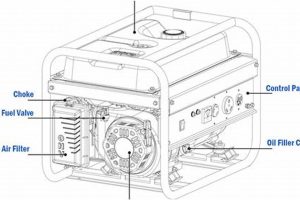
Proper starting procedures are essential for safe and effective portable generator operation. Manufacturer instructions provide model-specific guidance tailored to the engine and electrical systems. Ignoring these instructions can result in damage, reduced performance, and potential safety hazards. A key aspect of these instructions involves the choke control, which enriches the fuel-air mixture during cold starts. Incorrect choke usage can flood the engine, leading to difficult starting or even damage. For instance, attempting to start a warm engine with the choke engaged can lead to excessive fuel intake, hindering combustion.
Starting procedures typically involve a series of sequential steps. These may include checking the fuel level, ensuring the engine switch is in the correct position, engaging the choke if necessary, and using the recoil starter or electric start mechanism. Each step plays a crucial role in the starting process. For example, attempting to start a generator with low fuel can damage the fuel pump or lead to engine stalling. Moreover, disregarding safety interlocks, such as low oil shutdown features, can cause severe engine damage. These mechanisms protect the engine from operating under detrimental conditions.
Adherence to manufacturer-specific starting procedures ensures reliable operation and prolongs the generator’s lifespan. Understanding the function of each control, such as the choke and engine switch, allows operators to address starting issues effectively. This knowledge translates to safe and efficient generator usage, maximizing its utility while minimizing potential risks. Failure to follow prescribed procedures can lead to equipment damage, safety hazards, and operational inefficiencies, underscoring the importance of consulting and adhering to manufacturer guidelines.
4. Connection (Properly rated cords)
Safe and efficient power delivery from a portable generator relies heavily on proper connection procedures, particularly the use of appropriately rated extension cords. Connecting appliances via inadequately rated cords presents significant fire hazards due to overheating. Cord ratings, expressed in amperage and wattage, indicate the maximum safe current-carrying capacity. Exceeding these limits causes excessive heat buildup within the cord, potentially melting insulation and igniting flammable materials. Consider a scenario where a high-wattage appliance, such as a refrigerator, is connected through a lightweight, low-amperage extension cord. The cord’s insufficient capacity may lead to dangerous overheating, posing a fire risk.
Selecting appropriate extension cords involves understanding the power requirements of the connected appliances. Appliance wattage ratings indicate their power consumption. The chosen extension cord must have an amperage and wattage rating equal to or exceeding the total wattage of all connected appliances. Furthermore, cord length also influences voltage drop, particularly over longer distances. Using excessively long cords can reduce voltage at the appliance end, affecting performance and potentially damaging sensitive electronics. For instance, powering a sensitive medical device through a long, under-rated cord could lead to voltage fluctuations, disrupting the device’s operation and posing health risks.
Understanding and adhering to proper connection procedures is paramount for safe generator operation. Utilizing appropriately rated extension cords mitigates fire hazards and ensures efficient power delivery to connected appliances. Neglecting these principles can lead to equipment damage, fire hazards, and potential injuries, underscoring the importance of proper connection techniques within the broader context of safe generator usage. This careful approach to electrical connections forms a cornerstone of responsible and effective portable generator operation.
5. Load Management (Avoid overloading)
Effective portable generator operation necessitates careful load management. Overloading a generator, by exceeding its rated wattage capacity, strains the engine and electrical components, leading to potential damage, reduced lifespan, and safety hazards. Understanding load management principles is crucial for safe and efficient generator utilization. This involves calculating the total wattage of connected appliances and ensuring it remains within the generator’s specified operating range. Failure to manage loads appropriately can result in costly repairs, power disruptions, and potential fire risks.
- Calculating Total Load
Accurate load calculation is fundamental. This involves determining the wattage requirements of each appliance intended for connection. Wattage information is typically found on appliance labels or in user manuals. Summing individual wattages provides the total power demand. For instance, connecting a 1500-watt space heater, a 500-watt refrigerator, and a 100-watt lamp requires a generator capable of handling at least 2100 watts. Attempting to power these appliances with a lower-capacity generator risks overloading and potential damage.
- Starting Appliances Sequentially
Managing starting loads is critical, especially for appliances with high starting wattage requirements. Motors, for instance, often draw significantly more power during startup than during normal operation. Starting appliances sequentially, one at a time, minimizes the initial surge load on the generator. This approach prevents overloading and ensures smooth operation. For example, starting a refrigerator first, followed by a space heater, distributes the starting load more effectively than attempting to start both simultaneously.
- Prioritizing Essential Appliances
During power outages, prioritizing essential appliances becomes crucial. Limited generator capacity necessitates careful selection of which appliances to power. Critical appliances, such as refrigerators, medical equipment, or sump pumps, should take precedence over less essential items. This prioritization ensures critical needs are met within the generator’s capacity. For instance, powering a refrigerator to preserve food and medications takes priority over operating a television during an extended outage.
- Monitoring Load Levels
Regularly monitoring load levels ensures the generator operates within safe parameters. Many generators feature built-in watt meters or overload indicators. Observing these indicators helps prevent overloading and potential damage. If the generator consistently operates near its maximum capacity, consider reducing the load by disconnecting less essential appliances. This proactive approach safeguards the generator and ensures reliable power delivery to critical devices.
Effective load management is paramount for safe and efficient portable generator operation. Calculating total loads, managing starting surges, prioritizing essential appliances, and monitoring load levels collectively contribute to optimal performance and prolonged generator lifespan. Neglecting these principles can lead to equipment damage, power disruptions, and potential safety hazards. Understanding and implementing proper load management procedures is therefore integral to responsible and effective generator utilization.
6. Shutdown (Cool-down period)
Proper shutdown procedures, particularly allowing for a cool-down period, are essential for maintaining the longevity and reliability of portable gas generators. Abruptly shutting down a hot generator can lead to several detrimental effects on the engine and internal components. These procedures are integral to safe and effective generator operation, contributing significantly to the overall lifespan and performance of the equipment.
- Heat Dissipation
A cool-down period allows the engine’s internal components to gradually return to ambient temperature. Immediately shutting off a hot engine can cause heat soak, where residual heat builds up in localized areas. This can lead to warping, cracking, and accelerated wear of engine components. For instance, abruptly stopping a generator after extended operation under heavy load can cause localized overheating within the cylinder head, potentially damaging valves and gaskets.
- Oil Circulation
Continuing to run the generator at no load for a few minutes after disconnecting appliances allows the engine oil to circulate and dissipate heat effectively. This prevents oil from pooling in hot engine areas and ensures adequate lubrication of critical components during the cooling process. Stopping the engine immediately after a heavy load can leave critical engine parts without sufficient lubrication, increasing wear and tear.
- Fuel System Stabilization
The cool-down period also allows the fuel system to stabilize, preventing fuel from vaporizing and creating pressure buildup within the carburetor. This can lead to starting difficulties and potential fuel leaks. Allowing the engine to idle briefly before shutdown reduces these risks. For example, immediately shutting down a generator after heavy use can cause fuel to vaporize in the carburetor, potentially leading to hard starting on the next use.
- Preventing Thermal Shock
Gradual cooling minimizes the risk of thermal shock to engine components. Rapid temperature changes can stress metal parts, increasing the likelihood of cracks and failures. The cool-down period provides a controlled cooling process, mitigating these risks. This is particularly important for generators used in demanding applications, such as extended operation under heavy load, where rapid temperature fluctuations are more likely.
Proper shutdown procedures, including the essential cool-down period, are integral to the safe and effective operation of portable gas generators. These practices safeguard engine components, prolong generator lifespan, and ensure reliable starting and performance. Neglecting these procedures can result in premature wear, costly repairs, and reduced operational efficiency, emphasizing the importance of incorporating cool-down periods into routine generator usage. By understanding the benefits of a cool-down period, operators can contribute significantly to the long-term reliability and performance of their generators.
7. Maintenance (Regular checks)

Regular maintenance is inextricably linked to the safe and effective operation of a portable gas generator. Preventive maintenance ensures reliable performance, prolongs the generator’s lifespan, and mitigates potential hazards. Neglecting routine checks can lead to malfunctions, reduced efficiency, and costly repairs. A well-maintained generator provides consistent power during outages, while a neglected unit may fail when needed most. For instance, failing to change the oil regularly can lead to engine seizure, rendering the generator unusable during a power outage.
Specific maintenance tasks vary depending on the generator model and usage frequency. However, several key checks apply universally. Regular oil changes, as specified in the owner’s manual, are crucial for engine lubrication and longevity. Air filter cleaning or replacement ensures optimal airflow for combustion, preventing performance degradation and fuel inefficiency. Spark plug inspection and replacement, at recommended intervals, maintain efficient ignition. Fuel system maintenance, including checking for leaks and stale fuel, prevents starting problems and fire hazards. For example, a clogged air filter restricts airflow to the engine, reducing power output and increasing fuel consumption. Similarly, worn spark plugs can cause misfires, leading to rough running and reduced efficiency. Regularly inspecting and addressing these issues ensures reliable operation and extends the generator’s lifespan.
Integrating regular maintenance into generator usage practices is fundamental for safe and reliable operation. Adhering to manufacturer-recommended maintenance schedules ensures optimal performance, prevents costly repairs, and mitigates potential hazards. Neglecting these practices can lead to equipment failure, reduced efficiency, and safety risks, ultimately compromising the generator’s intended purpose as a reliable power source. Understanding the critical link between regular maintenance and effective generator operation underscores the importance of incorporating these practices into routine usage. This proactive approach maximizes the generator’s lifespan, ensures reliable performance, and contributes to safe and efficient operation.
Frequently Asked Questions
This section addresses common inquiries regarding portable generator operation, aiming to provide clear and concise information for safe and effective usage.
Question 1: How does one determine the appropriate generator size for specific needs?
Determining the correct generator size requires calculating the total wattage of appliances intended for simultaneous operation. Generators are rated in watts, indicating their power output capacity. Choosing a generator with sufficient wattage ensures it can handle the anticipated load without overloading.
Question 2: What safety precautions are essential when operating a portable generator?
Safe operation mandates operating the generator outdoors in a well-ventilated area, away from structures. Proper grounding is crucial to prevent electrical shock. Never refuel a hot generator, as spilled fuel can ignite. Using appropriately rated extension cords prevents overheating and fire hazards.
Question 3: What type of fuel is recommended for portable generators?
Consult the owner’s manual for the specific fuel type recommended by the manufacturer. Using the incorrect fuel can damage the engine and void warranties. Store fuel in approved containers in a well-ventilated area, away from ignition sources. Fresh fuel ensures optimal performance.
Question 4: How should a portable generator be maintained for optimal performance and longevity?
Regular maintenance is crucial. Adhere to the manufacturer’s recommended maintenance schedule for oil changes, air filter cleaning or replacement, and spark plug inspection. These practices ensure reliable performance and extend the generator’s lifespan.
Question 5: What are the potential risks of improper generator usage?
Improper usage can lead to several hazards, including carbon monoxide poisoning, fire, electrical shock, and equipment damage. Adhering to safety guidelines and manufacturer instructions mitigates these risks.
Question 6: What should be done if the generator fails to start?
Troubleshooting starting problems involves checking the fuel level, spark plug condition, and air filter cleanliness. If problems persist, consult a qualified technician. Attempting to repair complex issues without expertise can exacerbate the problem and pose safety risks.
Understanding these frequently asked questions contributes significantly to safe and effective generator operation. Adherence to safety guidelines and manufacturer instructions ensures reliable performance and mitigates potential hazards.
For further information and model-specific guidance, consult the generator’s owner’s manual. This document provides comprehensive instructions tailored to the specific unit, ensuring safe and effective operation.
Conclusion
Safe and effective portable generator operation requires a comprehensive understanding of key principles, encompassing proper placement, fuel management, starting procedures, connection protocols, load management, shutdown procedures, and regular maintenance. Each element plays a crucial role in ensuring reliable performance, maximizing the generator’s lifespan, and mitigating potential hazards. Careful consideration of these factors empowers users to harness the benefits of portable power while prioritizing safety and operational efficiency.
Portable generators serve as invaluable resources during power outages and in off-grid situations. Responsible operation, guided by informed practices and adherence to manufacturer guidelines, ensures these devices provide reliable power while minimizing risks. This knowledge empowers individuals and communities to utilize portable power safely and effectively, fostering preparedness and resilience in the face of power disruptions.