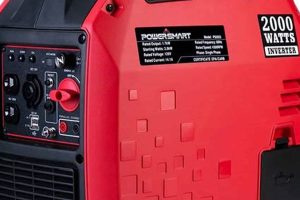
Establishing a reliable backup power source for a residence involves selecting a suitably sized generator, safely connecting it to the home’s electrical system, and ensuring proper operation and maintenance. This process typically includes selecting a safe location for the generator, connecting it to a transfer switch (or using approved extension cords for specific appliances), and following manufacturer guidelines for grounding and fuel usage. A typical example might involve a homeowner installing a transfer switch connected to essential circuits like refrigerators, lighting, and heating systems.
A properly configured backup power system provides crucial support during power outages, ensuring continuity of essential services and enhancing safety and comfort. This capability can be particularly vital in areas prone to severe weather events or grid instability. Historically, backup power systems were primarily used in critical facilities like hospitals. However, increasing awareness of the importance of emergency preparedness has led to broader adoption in residential settings.
The following sections will delve into the key aspects of planning and implementing a robust residential backup power system. Topics covered include generator sizing, transfer switch selection, safe operation procedures, and ongoing maintenance requirements.
Essential Tips for Backup Power Installation
Careful planning and execution are crucial for a safe and effective residential backup power system. The following tips provide guidance for critical aspects of the installation process.
Tip 1: Accurate Load Calculation: Determine the wattage requirements of essential appliances and devices to select a generator with sufficient capacity. Overloading a generator can lead to damage and safety hazards. Consulting an electrician is recommended for complex electrical systems.
Tip 2: Professional Installation of Transfer Switches: Transfer switches should be installed by qualified electricians to ensure safe and compliant integration with the home’s electrical panel. This prevents backfeeding, a dangerous condition that can harm utility workers.
Tip 3: Adherence to Local Codes and Regulations: Permits and inspections may be required for generator installations. Compliance with local regulations ensures safety and avoids potential legal issues.
Tip 4: Proper Generator Placement: Position the generator outdoors in a well-ventilated area away from windows and doors to prevent carbon monoxide poisoning. Adequate clearance from combustible materials is essential.
Tip 5: Routine Maintenance: Regular maintenance, including oil changes, air filter replacements, and fuel stabilization, is crucial for reliable generator operation. Consult the manufacturer’s recommendations for specific maintenance intervals.
Tip 6: Safe Fuel Handling: Store fuel in approved containers in a well-ventilated area away from ignition sources. Allow the generator to cool before refueling to prevent fire hazards.
Tip 7: Grounding and Electrical Safety: Ensure proper grounding of the generator to prevent electrical shock. Consult an electrician for guidance on appropriate grounding techniques.
By adhering to these guidelines, homeowners can ensure a safe, reliable, and effective backup power solution, mitigating the impact of power outages and enhancing overall safety and preparedness.
Implementing these precautions provides a solid foundation for reliable backup power and underscores the importance of professional guidance in ensuring safety and compliance.
1. Location
Generator placement significantly impacts safety and efficacy within a residential backup power system. Careful consideration of environmental factors and proximity to the home is crucial for optimal performance and hazard mitigation.
- Ventilation
Generators produce carbon monoxide, a colorless, odorless, and lethal gas. Positioning the generator outdoors in a well-ventilated area, away from windows, doors, and air intakes, is paramount for preventing carbon monoxide poisoning. For instance, placing a generator inside a garage, even with the door open, presents a significant risk.
- Distance from the Home
Maintaining a safe distance between the generator and the home minimizes noise pollution and reduces fire hazards. Adequate clearance from combustible materials, such as dry leaves and woodpiles, is essential. A minimum distance of several feet is generally recommended.
- Surface Stability
Operating a generator on a stable, level surface is critical for safe and efficient operation. Uneven surfaces can cause fuel spills or instability, leading to potential damage or malfunctions. A concrete pad or level ground provides an ideal operating surface.
- Accessibility
Convenient access to the generator for refueling, maintenance, and monitoring is important. While maintaining a safe distance, the location should allow for easy access without obstructing walkways or creating other safety hazards.
Appropriate generator placement directly contributes to the overall safety and effectiveness of a home backup power system. Careful consideration of these factors optimizes performance and minimizes potential risks, ensuring reliable power during outages.
2. Connections
Safe and proper connection of a portable generator to a home’s electrical system is paramount for effective power delivery and the prevention of hazardous conditions. Incorrect connections can lead to equipment damage, fire hazards, and electrocution risks, underscoring the need for meticulous adherence to safety protocols and, where applicable, professional guidance.
- Transfer Switches
Transfer switches provide a safe and reliable method for connecting a generator to a home’s electrical circuits. These devices isolate the generator power from utility power, preventing backfeeding, a dangerous phenomenon that can energize downed power lines, posing a lethal threat to utility workers. Professional installation of a transfer switch is highly recommended. For example, a properly installed transfer switch allows a homeowner to power essential circuits, such as refrigerators and lights, directly from the generator, ensuring safety and preventing damage to sensitive electronics.
- Extension Cords (For Limited Use)
Heavy-duty, outdoor-rated extension cords can be used to power individual appliances directly from the generator. However, this method should be used with extreme caution and only for specific appliances, as it does not offer the same level of safety as a transfer switch. Improperly sized or damaged extension cords can overheat, creating a fire hazard. Connecting sensitive electronics directly via extension cords without surge protection can also lead to damage. For example, a heavy-duty extension cord can be used to power a refrigerator directly, but connecting the entire house’s electrical system through multiple extension cords presents significant risks.
- Inlet Box Connections
Some homes equipped for generator use have dedicated generator inlet boxes. These provide a safe connection point for the generator, typically wired through a transfer switch. Understanding the specific wiring configuration of the inlet box is crucial for safe connection and operation. Connecting a generator to an improperly wired inlet box can result in damage or safety hazards.
- Grounding
Proper grounding of the generator is essential to prevent electrical shock. This typically involves connecting a grounding wire from the generator to a grounding rod or other approved grounding point. Failure to ground the generator can create a dangerous electrical potential, increasing the risk of electrocution.
The various connection methods underscore the importance of safety and proper procedures in a home portable generator setup. Implementing these safeguards ensures reliable power delivery and minimizes the risk of accidents during outages.
3. Fueling
Proper fueling is a critical aspect of safe and efficient portable generator operation within a residential backup power system. Incorrect fueling procedures can lead to equipment damage, fire hazards, and environmental contamination. Understanding fuel types, safe handling practices, and storage guidelines is essential for reliable generator performance and preventing accidents.
- Fuel Type Selection
Generators are typically designed to operate on specific fuel types, such as gasoline, propane, or diesel. Using the incorrect fuel can damage the engine and void warranties. Consult the manufacturer’s recommendations for the appropriate fuel type and octane rating. For instance, using gasoline in a diesel generator can cause significant engine damage.
- Safe Refueling Procedures
Allowing the generator to cool completely before refueling is crucial to prevent fire hazards. Spilled fuel on a hot engine can ignite, causing serious injury or property damage. Turning off the generator and allowing sufficient cooling time is essential. Refueling in a well-ventilated area minimizes the risk of inhaling fuel vapors.
- Fuel Storage
Storing fuel in approved, sealed containers in a cool, dry, and well-ventilated area away from ignition sources is vital for safety and fuel quality. Improperly stored fuel can degrade over time, leading to engine problems. Fuel containers should be clearly labeled and stored away from living areas.
- Fuel Stabilization
Fuel stabilizers can help prevent fuel degradation during long-term storage, ensuring reliable starting and performance after extended periods of inactivity. Following the manufacturer’s recommendations for fuel stabilizer usage and dosage is essential. This is particularly important for seasonal use or during extended power outages.
Adhering to these fueling guidelines ensures safe and reliable generator operation within the broader context of a residential backup power system. Proper fuel management contributes significantly to the overall effectiveness and longevity of the generator, providing consistent power during critical outages.
4. Safety

Safety is paramount in residential portable generator setups. Oversight in any aspect, from installation to operation and maintenance, can lead to severe consequences, including carbon monoxide poisoning, fire hazards, and electrocution. Understanding and mitigating these risks is crucial for protecting life and property.
Carbon monoxide, an odorless, colorless, and lethal gas produced during generator operation, poses a significant threat. Improper ventilation, such as operating a generator indoors or near open windows, can lead to rapid accumulation of this gas, resulting in severe health consequences or fatalities. A real-life example includes cases where families have tragically succumbed to carbon monoxide poisoning while using generators during power outages. Ensuring adequate ventilation, by operating the generator outdoors and far from air intakes, is crucial for preventing such incidents. Additionally, installing carbon monoxide detectors provides an extra layer of protection.
Fire hazards present another significant concern. Spilled fuel, improper storage of flammable materials near the generator, and overheating due to overloading can ignite fires. For instance, refueling a hot generator can ignite spilled gasoline, leading to severe burns or property damage. Allowing the generator to cool completely before refueling, storing fuel in approved containers away from ignition sources, and avoiding overloading the generator are vital preventative measures.
Electrical safety is equally critical. Improper grounding, faulty connections, and contact with energized components can lead to electrocution. For example, touching a generator’s metal frame during operation without proper grounding can result in a fatal electric shock. Ensuring proper grounding and avoiding contact with live wires are essential safety practices. Furthermore, using a transfer switch installed by a qualified electrician prevents backfeeding, which can energize downed power lines, posing a danger to utility workers.
Prioritizing safety through meticulous planning, installation, operation, and maintenance mitigates these risks. Regular inspections, adherence to manufacturer guidelines, and professional assistance when needed are indispensable components of a safe and effective residential portable generator setup. Ignoring safety protocols can have devastating consequences, highlighting the practical significance of understanding and implementing these safety measures. A safe installation not only protects individuals and property but also ensures reliable power during outages, underscoring the interconnectedness of safety and functionality.
5. Maintenance

Regular maintenance is essential for reliable and safe operation of a home portable generator. Neglecting routine upkeep can lead to decreased performance, increased risk of malfunctions, and potentially hazardous situations during power outages. A well-maintained generator ensures consistent power delivery when needed and extends the lifespan of the equipment, representing a crucial aspect of a comprehensive backup power solution.
- Oil Changes
Regular oil changes are fundamental to maintaining engine health and performance. Engine oil lubricates moving parts, reducing friction and heat. Over time, oil degrades, losing its lubricating properties and accumulating contaminants. Failing to change the oil as recommended by the manufacturer can lead to increased engine wear, reduced efficiency, and potential engine failure. For example, neglecting oil changes can result in seized engine components, rendering the generator unusable during a power outage. Adhering to the manufacturer’s recommended oil change intervals ensures optimal engine performance and longevity.
- Air Filter Replacement
Clean air filters are crucial for proper engine combustion. A clogged air filter restricts airflow, leading to incomplete fuel combustion, reduced power output, and increased fuel consumption. In extreme cases, a severely restricted airflow can cause the engine to overheat and potentially stall. Regularly inspecting and replacing the air filter, particularly in dusty environments, ensures optimal engine performance and prevents damage. For example, a homeowner operating a generator in a dusty area might need to replace the air filter more frequently than someone in a cleaner environment. This proactive approach maintains efficient operation and prevents performance issues.
- Spark Plug Maintenance
Spark plugs ignite the fuel-air mixture within the engine cylinder. Worn or fouled spark plugs can cause misfires, rough running, and difficulty starting. Regularly inspecting and replacing spark plugs, as recommended by the manufacturer, ensures reliable ignition and efficient fuel combustion. For instance, a failing spark plug can prevent the generator from starting during a power outage, rendering the backup power system useless. Maintaining spark plugs contributes significantly to reliable generator operation.
- Fuel System Care
Proper fuel system maintenance includes using stabilized fuel to prevent degradation during storage, draining the fuel system before extended periods of inactivity, and inspecting fuel lines for leaks or damage. Fuel degradation can lead to gum and varnish deposits within the fuel system, clogging carburetors and fuel injectors. Draining the fuel system prevents these deposits from forming during long-term storage. Regularly inspecting fuel lines for leaks ensures safe operation and prevents fuel spills, which can create fire hazards. For example, using fuel stabilizer prevents fuel degradation, ensuring reliable starting after extended periods of non-use, while inspecting fuel lines for cracks prevents leaks that could pose a fire risk.
Consistent adherence to a comprehensive maintenance schedule is integral to a successful home portable generator setup. Proper maintenance not only ensures reliable operation during power outages but also extends the generator’s lifespan, representing a cost-effective approach to emergency preparedness. By prioritizing these maintenance tasks, homeowners maximize the effectiveness of their backup power solution and ensure peace of mind during critical situations.
Frequently Asked Questions
This section addresses common inquiries regarding the setup and operation of portable generators for residential backup power.
Question 1: What size generator is needed to power a typical home?
Generator sizing depends on the wattage requirements of the appliances and devices one intends to operate simultaneously. Calculating the total wattage of essential items, such as refrigerators, lights, and sump pumps, helps determine the appropriate generator size. Consulting an electrician is recommended for accurate load calculations and generator selection.
Question 2: Is professional installation required for a portable generator?
While connecting a generator via extension cords for limited use doesn’t necessarily require professional installation, installing a transfer switch is strongly recommended and often requires a qualified electrician. Local electrical codes and regulations should be consulted to ensure compliance and safe installation practices.
Question 3: Where should a portable generator be placed during operation?
Generators should always be operated outdoors in a well-ventilated area, away from windows, doors, and air intakes. This placement minimizes the risk of carbon monoxide poisoning. Adequate clearance from combustible materials is also essential to prevent fire hazards.
Question 4: What type of fuel is typically used in portable generators?
Portable generators commonly use gasoline, propane, or diesel fuel. The specific fuel type is determined by the generator’s design. Consulting the manufacturer’s recommendations is essential for selecting the correct fuel type and octane rating.
Question 5: How often should a portable generator be maintained?
Regular maintenance is crucial for reliable generator operation. Maintenance intervals vary depending on the manufacturer’s recommendations and usage frequency. Typical maintenance tasks include oil changes, air filter replacements, spark plug checks, and fuel system inspections.
Question 6: What safety precautions are essential when operating a portable generator?
Essential safety precautions include operating the generator outdoors in a well-ventilated area, allowing it to cool completely before refueling, storing fuel safely, ensuring proper grounding, and never connecting a generator directly to household wiring without a properly installed transfer switch.
Understanding these fundamental aspects of portable generator setup and operation ensures safe and effective backup power during outages. Adherence to safety guidelines and proper maintenance procedures are crucial for protecting both individuals and property.
For further information and specialized guidance, consulting qualified electricians and referencing manufacturer documentation are recommended.
Home Portable Generator Setup
Establishing a robust home portable generator setup involves a multifaceted approach encompassing careful planning, meticulous installation, and diligent maintenance. From selecting an appropriately sized generator and ensuring proper connections to prioritizing safety precautions and adhering to a consistent maintenance schedule, each step plays a vital role in achieving reliable and safe backup power. Correct placement, adherence to fuel guidelines, and a comprehensive understanding of safe operating procedures are essential components of a successful implementation.
Reliable backup power provides not just convenience but also a critical safety net during unforeseen outages. Investing in a well-planned and properly maintained portable generator setup offers peace of mind, safeguarding homes and families from the disruptions and potential hazards associated with power loss. A proactive approach to emergency preparedness through a comprehensive understanding of home portable generator setup is an investment in resilience and safety.