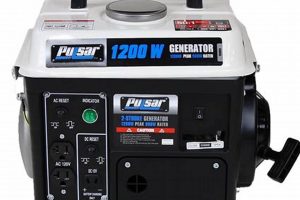
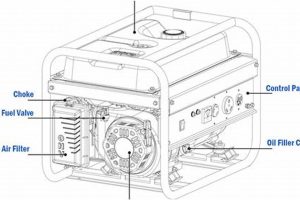
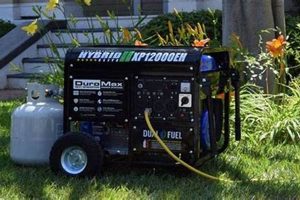
The ability to power portable generators with natural gas offers a compelling alternative to traditional gasoline or propane fuels. This capability typically involves either a generator designed specifically for natural gas or the conversion of a gasoline-powered unit using a conversion kit. Connecting such a generator to a home’s existing natural gas line provides a readily available fuel source.
Utilizing a home’s natural gas supply for generator power presents several advantages. Eliminating the need to store flammable liquids like gasoline enhances safety and reduces the risk of fuel degradation. Furthermore, natural gas often proves more economical than gasoline or propane, leading to lower operating costs. This continuous fuel supply also eliminates concerns about refueling during extended outages. The environmental impact is often reduced as well, with natural gas generally burning cleaner than other fossil fuels.
This exploration of natural gas-powered portable generators will delve into topics such as the different types available, the conversion process for gasoline models, safety considerations, installation procedures, and the economic and environmental benefits in detail. Additionally, it will address the practical applications and limitations of this technology.
Tips for Utilizing Natural Gas-Powered Portable Generators
Careful consideration of several factors ensures safe and efficient operation of natural gas-powered portable generators. The following tips provide guidance for selecting, installing, and operating these units.
Tip 1: Professional Consultation: Consulting a qualified technician is crucial before connecting a generator to a home’s natural gas system. This ensures proper installation and adherence to local codes and regulations.
Tip 2: Generator Selection: Generators designed specifically for natural gas operation are often preferred. However, converting a gasoline-powered generator is possible with appropriate conversion kits. Choosing the correct kit for the specific generator model is essential.
Tip 3: Proper Installation: Correct installation of the generator and connection to the gas line is paramount for safe operation. Flexible fuel lines must be rated for natural gas and installed according to manufacturer specifications and local codes.
Tip 4: Ventilation: Adequate ventilation is essential to prevent the buildup of carbon monoxide. Generators should never be operated indoors or in enclosed spaces.
Tip 5: Routine Maintenance: Regular maintenance, including oil changes, air filter cleaning, and spark plug replacement, ensures optimal generator performance and longevity.
Tip 6: Load Capacity: Understanding the generator’s load capacity prevents overloading and potential damage. Calculate the total wattage of the appliances to be powered and ensure the generator can handle the demand.
Tip 7: Safety Devices: Installing safety devices such as carbon monoxide detectors and transfer switches further enhances safety. Transfer switches prevent backfeeding into the power grid, protecting utility workers.
Adherence to these guidelines promotes the safe, efficient, and reliable operation of a natural gas-powered portable generator, providing a valuable power source during outages.
By understanding and implementing these strategies, consumers can harness the advantages of natural gas-fueled generators while mitigating potential risks. The subsequent conclusion will offer final thoughts and perspectives on the overall value of this technology.
1. Fuel Conversion

Fuel conversion plays a pivotal role in enabling portable generators to operate on natural gas. While some generators are manufactured for natural gas use, many gasoline-powered models can be adapted through conversion kits. Understanding the process and implications of fuel conversion is essential for safe and effective utilization of this fuel source.
- Conversion Kit Selection
Selecting the correct conversion kit is paramount. Kits are designed for specific engine types and sizes; using an incorrect kit can lead to performance issues or safety hazards. Reputable manufacturers provide detailed compatibility information. Consulting with a qualified technician can ensure proper kit selection.
- Installation Process
Conversion kit installation typically involves modifying the carburetor and installing a gas regulator and necessary fittings. Precise adherence to the manufacturers instructions is crucial. Professional installation is recommended, especially for those lacking mechanical expertise. Improper installation can create gas leaks or other safety risks.
- Performance Adjustments
Engine performance may change after conversion. Adjustments to the air-fuel mixture might be necessary to optimize power output and fuel efficiency. Some kits require periodic recalibration depending on altitude and ambient temperature. Understanding these adjustments ensures consistent and reliable generator operation.
- Safety Considerations
Fuel conversion introduces specific safety considerations. Gas leaks are a primary concern; thorough testing after installation is essential. Proper ventilation remains critical to prevent carbon monoxide buildup. Adhering to all safety guidelines outlined in the conversion kit instructions and local codes mitigates potential risks.
Fuel conversion provides a pathway for utilizing natural gas in portable generators. Careful consideration of kit selection, installation procedures, performance adjustments, and safety precautions ensures effective and safe operation. By understanding these facets of fuel conversion, users can leverage the advantages of natural gas as a reliable and cost-effective fuel source for portable power generation.
2. Connection Options

Connecting a portable generator to a natural gas supply requires careful consideration of various options, each with its own benefits and limitations. The chosen connection method impacts the generator’s practicality, safety, and overall functionality. Understanding these options is crucial for maximizing the effectiveness of a natural gas-powered generator.
- Direct Connection to Home Gas Line
Direct connection provides a continuous fuel supply, eliminating refueling concerns. This involves tapping into the existing natural gas piping system, typically requiring professional installation by a qualified gas fitter. Local codes and regulations must be adhered to stringently. This option offers convenience and reliability, especially during extended power outages.
- Portable Natural Gas Tanks/Cylinders
Portable tanks offer flexibility for locations without a direct gas line connection. These tanks come in various sizes, providing a portable fuel source. However, tank size dictates run time, requiring periodic refills or replacements. Quick-connect fittings simplify the connection process, enhancing portability and ease of use.
- Quick-Connect Fittings and Hoses
Quick-connect fittings and specialized hoses designed for natural gas facilitate easy and secure connections. These fittings prevent leaks and ensure proper gas flow. Hose length and material construction affect flexibility and durability. Selecting appropriately rated hoses and fittings ensures safe and efficient operation.
- Pressure Regulators and Safety Valves
Pressure regulators maintain consistent gas pressure, ensuring optimal generator performance. Safety valves prevent overpressure situations, mitigating potential hazards. Properly sized and installed regulators and safety valves are essential for safe and reliable operation. Regular inspection and maintenance of these components are crucial for long-term functionality.
The connection method chosen significantly impacts the overall usability and safety of a natural gas-powered portable generator. Direct connections offer continuous fuel, while portable tanks provide flexibility. Properly rated fittings, hoses, regulators, and safety valves ensure safe and reliable operation regardless of the chosen connection method. Evaluating these factors against specific needs and circumstances ensures a well-informed decision that maximizes the generator’s capabilities and safety profile.
3. Safety Regulations
Operating a portable generator fueled by natural gas introduces inherent safety risks that necessitate strict adherence to established regulations. These regulations, often mandated at local and national levels, aim to mitigate hazards associated with fuel handling, combustion byproducts, and electrical connections. Understanding and complying with these safety regulations is paramount for protecting life and property.
- Ventilation Requirements
Carbon monoxide (CO) poisoning poses a significant threat with any combustion engine. Regulations mandate adequate ventilation to prevent CO buildup, especially in enclosed or partially enclosed spaces. Operating a natural gas generator indoors or near open windows can lead to fatal CO concentrations. Proper ventilation ensures safe dispersal of exhaust gases.
- Connection and Installation Codes
Connecting a generator to a natural gas supply line requires adherence to specific plumbing and electrical codes. Improper connections can result in gas leaks, creating fire and explosion hazards. Regulations dictate the use of certified components, proper installation techniques, and mandatory inspections to ensure a safe and reliable connection. These codes protect against potential gas leaks and ensure proper equipment function.
- Clearance and Placement Guidelines
Regulations stipulate minimum clearance distances around the generator to prevent overheating and reduce fire risks. Placement near flammable materials, such as dry vegetation or stored fuels, is strictly prohibited. Maintaining adequate clearance allows for proper airflow and heat dissipation, minimizing fire hazards.
- Equipment Certification and Maintenance
Safety regulations often require the use of certified equipment that meets specific performance and safety standards. Regular maintenance, including inspections and part replacements, is crucial for maintaining compliance and ensuring safe operation. Neglecting maintenance can lead to malfunctions that increase safety risks. Adhering to maintenance schedules and using certified equipment ensures reliable and safe operation.
Adherence to safety regulations is not merely a recommendation but a critical requirement for operating natural gas-powered portable generators. These regulations provide a framework for safe operation, mitigating potential hazards associated with fuel combustion, electrical connections, and equipment operation. Ignoring these regulations can lead to serious accidents, injuries, or property damage. Prioritizing safety through compliance ensures the responsible and effective utilization of this power generation technology.
4. Cost-Effectiveness

Evaluating the cost-effectiveness of operating a portable generator on natural gas requires a comprehensive assessment of various factors. While natural gas often presents a cost advantage over gasoline or propane, the overall economic impact depends on several interconnected elements, impacting both initial investment and long-term operational expenses.
- Fuel Price Volatility
Natural gas prices, like other energy commodities, are subject to market fluctuations. While historically lower than gasoline or propane, price spikes can impact the cost-effectiveness of natural gas generators. Analyzing historical price trends and considering potential future price fluctuations helps assess long-term operational costs. Diversification of energy sources can mitigate the impact of price volatility on overall energy expenses.
- Installation and Conversion Expenses
The initial investment for natural gas generators involves expenses beyond the generator itself. Connecting to a home’s natural gas line requires professional installation, adding to the upfront cost. Converting a gasoline generator to natural gas involves the purchase and installation of a conversion kit. These initial costs must be factored into the overall cost-effectiveness equation.
- Operational Efficiency and Maintenance
The generator’s efficiency plays a significant role in long-term operating costs. Higher efficiency models consume less fuel, reducing overall expenses. Regular maintenance, while incurring costs, ensures optimal performance and prolongs the generator’s lifespan, minimizing long-term expenses. Balancing maintenance costs against potential repair costs due to neglect is essential for cost-effective operation.
- Return on Investment (ROI)
The return on investment for a natural gas generator considers the initial investment, operational costs, and the value of the power provided during outages. Factors such as the frequency and duration of power outages influence the ROI. Comparing the total cost of ownership to the cost of alternative power sources, such as gasoline or propane generators or battery backup systems, provides a comprehensive ROI assessment. Evaluating potential fuel cost savings against the initial investment helps determine long-term ROI.
The cost-effectiveness of a natural gas-powered portable generator hinges on a complex interplay of factors. While fuel costs often represent a significant advantage, installation expenses, operational efficiency, and potential price fluctuations contribute to the overall economic picture. A thorough assessment of these elements provides a realistic evaluation of the long-term cost-effectiveness and return on investment, enabling informed decisions regarding power generation choices.
5. Environmental Impact

Assessing the environmental impact of portable generators running on natural gas requires a nuanced understanding of emissions profiles, resource utilization, and comparative analysis with alternative fuel sources. While natural gas generally offers a cleaner-burning alternative to gasoline or diesel, its environmental footprint remains a critical consideration in responsible power generation.
- Greenhouse Gas Emissions
Natural gas combustion produces fewer greenhouse gases, particularly carbon dioxide, compared to gasoline or diesel. However, methane, a potent greenhouse gas, can leak during natural gas production and distribution. Minimizing methane leaks throughout the supply chain is crucial for reducing the overall environmental impact. Lifecycle analyses, considering emissions from production to combustion, offer comprehensive assessments.
- Air Quality Impacts
Natural gas combustion emits lower levels of nitrogen oxides (NOx), particulate matter, and other air pollutants compared to traditional fuels. This contributes to improved air quality, especially in areas prone to smog or other air pollution challenges. Reduced emissions of harmful pollutants benefit both human health and the environment. Local air quality regulations often incentivize cleaner-burning fuels like natural gas.
- Water Usage Considerations
Natural gas extraction and processing can involve significant water usage, particularly in hydraulic fracturing (“fracking”) operations. Responsible water management practices, including water recycling and treatment, are crucial for minimizing environmental impact. The water footprint of natural gas generation varies depending on extraction methods and geographic location. Comparisons with other energy sources must consider the full water usage cycle.
- Land Use and Ecosystem Disruption
Natural gas extraction can impact land use and ecosystems through drilling, pipeline construction, and associated infrastructure development. Minimizing land disturbance and implementing effective reclamation strategies are crucial for mitigating these impacts. Assessing the ecological footprint of natural gas infrastructure requires comprehensive environmental impact studies. Balancing energy needs with environmental protection necessitates careful planning and responsible resource management.
The environmental impact of natural gas-powered portable generators presents a complex trade-off. While offering advantages over more polluting fossil fuels, natural gas extraction and combustion still pose environmental challenges. Understanding these facets, from greenhouse gas emissions to ecosystem disruption, enables informed decisions that balance the need for reliable power generation with responsible environmental stewardship. Continued advancements in emission reduction technologies and sustainable resource management practices are essential for minimizing the environmental footprint of natural gas power generation.
Frequently Asked Questions
This section addresses common inquiries regarding the utilization of natural gas as a fuel source for portable generators.
Question 1: Is converting a gasoline generator to natural gas a complex process?
Converting a gasoline generator typically involves installing a conversion kit and adjusting the carburetor. While kits are available for various models, professional assistance is recommended for those lacking mechanical expertise. Improper installation can create safety hazards.
Question 2: What are the primary safety concerns associated with natural gas generators?
Key safety concerns include proper ventilation to prevent carbon monoxide buildup, secure gas connections to avoid leaks, and adherence to clearance requirements around the unit. Regular maintenance and inspections are crucial for safe operation.
Question 3: How does the cost of natural gas compare to other generator fuels?
Natural gas is often more economical than gasoline or propane. However, overall cost-effectiveness depends on fluctuating fuel prices, installation expenses, and the generator’s efficiency.
Question 4: What environmental advantages does natural gas offer over other fuels?
Natural gas combustion produces lower greenhouse gas emissions and fewer air pollutants compared to gasoline or diesel. However, methane leaks during natural gas production and distribution can negate these benefits.
Question 5: Where can one obtain natural gas for a portable generator?
Natural gas can be sourced directly from a home’s gas line via a professional installation or from portable natural gas tanks available at various retailers.
Question 6: Do natural gas generators require specific maintenance procedures?
Similar to other generators, natural gas models require regular maintenance, including oil changes, air filter cleaning, spark plug replacement, and periodic inspections of gas lines and connections.
Careful consideration of these frequently asked questions assists in making informed decisions regarding the utilization of natural gas for portable power generation.
The following section offers a concluding perspective on the overall viability and benefits of natural gas-powered portable generators.
Conclusion
The feasibility of powering portable generators with natural gas presents a compelling alternative to traditional fuels. This analysis has explored the technical requirements, safety considerations, economic implications, and environmental impact associated with this technology. Conversion processes, connection options, and adherence to safety regulations are critical for successful implementation. While natural gas often provides cost advantages and reduced emissions, considerations such as fuel price volatility, installation expenses, and potential methane leaks must be factored into the overall assessment. Furthermore, responsible environmental stewardship necessitates minimizing land disturbance and water usage associated with natural gas extraction.
The continued development and refinement of natural gas-powered generator technology offer significant potential for reliable and environmentally conscious power generation. Careful consideration of the factors presented within this analysis empowers informed decision-making regarding the adoption and utilization of this increasingly relevant power solution. Further research and technological advancements promise to enhance the efficiency, safety, and environmental sustainability of natural gas-powered portable generators, solidifying their role in the evolving landscape of power generation.