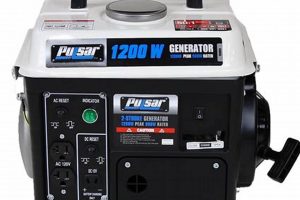
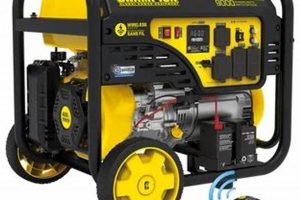
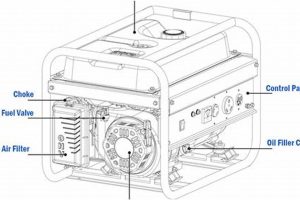
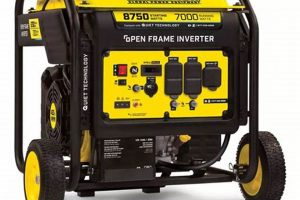
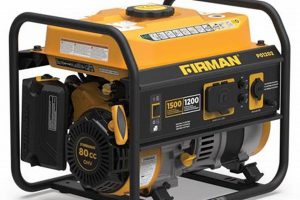
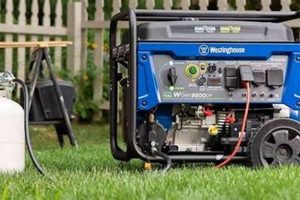
These devices allow portable generators, typically fueled by gasoline or propane, to operate using natural gas supplied from a residential or commercial source. This involves installing a regulator, hose, and adapter specific to the generator model. The adapter often replaces the existing carburetor jet or introduces a venturi system, enabling the engine to effectively combust the natural gas. An example includes a kit designed for a specific brand and model of portable generator, containing all necessary hardware and instructions for a safe conversion.
Utilizing piped natural gas offers several advantages. It eliminates the need for frequent refueling, providing a continuous fuel supply as long as the utility connection remains intact. This is particularly beneficial during extended power outages or for applications requiring long run times. Furthermore, natural gas is often a more cost-effective fuel than gasoline or propane, leading to operational savings. Historically, these conversions were less common, primarily due to concerns about portability. However, advancements in regulator technology and connection systems have made these kits more user-friendly and reliable, increasing their adoption.
Further exploration will address specific conversion kit components, compatibility with different generator models, installation procedures, safety considerations, and the economic and environmental impact of transitioning to natural gas.
Tips for Utilizing Natural Gas Conversion Kits
Careful consideration of several factors ensures safe and efficient operation when converting portable generators to natural gas.
Tip 1: Compatibility: Verify kit compatibility with the specific generator model. Consulting the manufacturer’s documentation or contacting customer support confirms appropriate application and avoids potential damage or malfunction.
Tip 2: Professional Installation: While some kits offer straightforward instructions, professional installation by a qualified technician is recommended, especially for those unfamiliar with gas appliance installations. This ensures proper connection, leak testing, and adherence to safety regulations.
Tip 3: Ventilation: Adequate ventilation remains crucial, even with natural gas. Generators produce carbon monoxide regardless of the fuel source. Operate the generator outdoors in a well-ventilated area away from windows, doors, and air intakes.
Tip 4: Gas Line Sizing: Ensure the natural gas supply line diameter and pressure meet the kit and generator requirements. Insufficient supply can hinder generator performance or cause damage.
Tip 5: Regulator Selection: Use the correct regulator specified in the kit instructions. The regulator controls gas pressure and flow, ensuring safe and efficient engine operation.
Tip 6: Leak Testing: After installation, thoroughly test all connections for leaks using soapy water. Bubbles indicate a leak requiring immediate attention. Never use an open flame to test for leaks.
Tip 7: Permitting and Codes: Check local building codes and regulations regarding natural gas installations and generator operation. Permits may be required in some jurisdictions.
Adhering to these guidelines promotes safe and reliable operation, maximizing the benefits of natural gas conversion for portable generators. These practices contribute to long-term generator performance and minimize potential hazards.
Following these tips prepares users for a successful transition to natural gas and highlights the importance of responsible operation.
1. Kit Compatibility
Successful conversion of a portable generator to natural gas hinges on selecting a compatible conversion kit. Compatibility ensures the kit’s components integrate seamlessly with the generator’s existing systems, enabling safe and efficient operation. Ignoring compatibility can lead to malfunctions, safety hazards, and potential damage to the generator.
- Engine Type and Size:
Conversion kits are designed for specific engine types and sizes. A kit designed for a small, single-cylinder engine will not function correctly on a larger, multi-cylinder engine. Factors like engine displacement (measured in cubic centimeters or CCs) and engine configuration (e.g., horizontal or vertical shaft) influence kit compatibility. For instance, a kit designed for a 200cc horizontal shaft engine will not work on a 400cc vertical shaft engine. Incorrect engine matching can result in inadequate fuel delivery, poor performance, or even engine damage.
- Generator Brand and Model:
Even within the same engine type and size, variations exist between generator brands and models. Carburetor design, air intake systems, and other engine components can differ, requiring specific kit configurations. For example, a conversion kit for a Honda EU2200i will not be compatible with a Yamaha EF2000iSv2, even though both are approximately 2000-watt inverter generators. Using an incompatible kit based solely on wattage can lead to improper installation and potentially dangerous operating conditions.
- Kit Components and Specifications:
Conversion kits typically include a regulator, hose, adapter fittings, and sometimes a modified carburetor jet. These components must match the generator’s specifications. Regulator pressure, hose diameter, and fitting sizes are critical factors. For example, using a regulator with incorrect pressure settings can lead to over-fueling or under-fueling, affecting engine performance and potentially causing damage. Consulting the kit’s documentation for specific component specifications is crucial.
- Certification and Standards:
Reputable conversion kits often adhere to industry standards and may have certifications ensuring safety and performance. Checking for certifications provides an added layer of assurance regarding quality and compatibility. For example, some kits might be certified by regulatory bodies ensuring they meet specific safety and emissions standards. Choosing a certified kit can offer increased confidence in the product’s reliability and adherence to safety guidelines.
Careful consideration of these compatibility factors is essential for a successful and safe natural gas conversion. Selecting the correct kit ensures optimal generator performance, prevents potential hazards, and maximizes the benefits of using natural gas as a fuel source. Overlooking compatibility can lead to significant issues, underscoring the importance of thorough research and adherence to manufacturer guidelines.
2. Installation Process

Proper installation is crucial for the safe and effective operation of natural gas conversion kits for portable generators. A meticulous approach ensures optimal performance, mitigates potential hazards, and maximizes the benefits of natural gas as a fuel source. The following facets outline key aspects of the installation process.
- Pre-Installation Checks
Before initiating the conversion, several checks are essential. Confirming generator compatibility with the chosen kit is paramount. This involves verifying the generator’s make, model, and engine specifications against the kit’s requirements. Inspecting the natural gas supply line for adequate capacity and pressure is also crucial. For instance, an insufficient gas supply can hinder generator performance. Additionally, reviewing local building codes and regulations regarding natural gas installations ensures compliance and safe operation. These preliminary steps lay the groundwork for a successful conversion.
- Component Installation
This stage involves the physical installation of the conversion kit components. This typically includes connecting a natural gas regulator to the supply line, attaching a hose from the regulator to the generator’s adapter, and installing the adapter onto the generator’s carburetor or air intake system. Specific procedures vary depending on the kit and generator model, requiring careful adherence to the provided instructions. For example, some kits require replacing the existing carburetor jet with a natural gas-specific jet. Precise execution of these steps ensures proper fuel delivery and engine operation.
- Leak Testing and Safety Inspection
Once the components are installed, thorough leak testing is essential to prevent gas leaks and ensure safety. This typically involves applying soapy water to all connections and observing for bubbles, which indicate a leak. Addressing any leaks promptly is crucial. Additionally, a comprehensive safety inspection should be conducted, verifying proper ventilation, secure connections, and adherence to safety regulations. For instance, ensuring adequate clearance around the generator minimizes fire hazards. This meticulous approach reinforces safe operation and mitigates potential risks.
- Initial Operation and Adjustments
After installation and safety checks, the generator can be started and operated using natural gas. Initial operation may require fine-tuning the air-fuel mixture for optimal performance. Monitoring the generator’s operation for smooth running, consistent power output, and absence of unusual noises or vibrations is crucial. For example, adjusting the regulator’s pressure setting may be necessary to achieve optimal engine performance. This final stage ensures the generator functions correctly and efficiently with the natural gas conversion.
A comprehensive understanding of these installation facets is vital for maximizing the benefits of natural gas conversion kits. Careful execution of each step ensures safe and reliable operation, extending generator lifespan and reducing reliance on traditional fuels. This systematic approach underscores the importance of professional installation or meticulous adherence to manufacturer guidelines for optimal results.
3. Safety Regulations
Safety regulations are integral to the use of natural gas conversion kits for portable generators, governing installation, operation, and maintenance to mitigate potential hazards. These regulations address risks associated with natural gas, including flammability, asphyxiation, and carbon monoxide poisoning. Regulations often mandate specific installation procedures, such as ensuring proper ventilation and gas line connections, reducing the risk of gas leaks and explosions. For example, codes may specify minimum clearances around the generator and require the use of approved piping materials. Failure to adhere to these regulations can lead to significant safety risks, including property damage, injury, or even fatalities.
Furthermore, regulations address operational safety concerns. Requirements for carbon monoxide detectors and adequate ventilation aim to prevent carbon monoxide buildup, a colorless, odorless gas that can be fatal. Regulations also dictate proper generator placement, prohibiting operation in enclosed spaces or near open windows and air intakes to minimize exposure to exhaust fumes. A real-world example includes a case where improper ventilation during generator operation led to carbon monoxide poisoning within a residence. Such incidents underscore the practical significance of understanding and adhering to safety regulations.
In summary, safety regulations are not mere guidelines but critical mandates for safe and responsible generator operation. They offer a framework for mitigating inherent risks associated with natural gas combustion. Comprehending and complying with these regulations is paramount for protecting life and property. Ignoring these regulations can have severe consequences, highlighting their crucial role in responsible generator use. Challenges include ensuring public awareness and consistent enforcement of these regulations. Ultimately, integrating safety considerations into every aspect of generator operation, from installation to maintenance, is essential for maximizing the benefits of natural gas conversion while minimizing potential hazards.
4. Fuel Supply Requirements
Fuel supply requirements are critical for the effective operation of portable generators converted to natural gas. These requirements dictate the necessary volume, pressure, and purity of the natural gas supply to ensure optimal generator performance and prevent damage. Understanding these requirements is crucial for a successful and safe conversion.
- Gas Pressure and Flow Rate
Natural gas conversion kits require a specific pressure and flow rate for optimal generator operation. Insufficient pressure or flow rate can starve the engine of fuel, resulting in reduced power output, unstable operation, or even engine stalling. Conversely, excessive pressure can damage the generator’s components. The required pressure and flow rate are typically specified in the conversion kit’s documentation and must be adhered to. For example, a kit might require a pressure of 7 inches of water column and a flow rate of 20 cubic feet per hour. Ensuring the natural gas supply meets these specifications is essential.
- Supply Line Diameter and Material
The diameter and material of the natural gas supply line influence the pressure and flow rate delivered to the generator. A narrow or constricted line can restrict flow, leading to insufficient fuel supply. Conversely, an oversized line can result in pressure drops. The appropriate line diameter is determined by the generator’s fuel consumption and the distance from the gas meter. Furthermore, the line material must be compatible with natural gas to prevent leaks or corrosion. For instance, using a half-inch black iron pipe for a large generator located far from the meter might be necessary to ensure adequate fuel delivery.
- Gas Meter Capacity
The gas meter’s capacity must be sufficient to supply the generator’s fuel demand alongside other appliances using natural gas in the building. An inadequate meter capacity can lead to pressure drops and insufficient fuel supply to the generator, especially when other appliances are operating simultaneously. For example, if a household’s gas meter is already near its capacity, adding a large generator might overload the meter, leading to performance issues. Evaluating the meter’s capacity and potentially upgrading it is essential to avoid such scenarios.
- Gas Quality and Purity
Natural gas quality and purity affect the generator’s performance and longevity. Impurities or contaminants in the gas supply can clog the generator’s fuel system, leading to reduced efficiency or damage. Ensuring a clean and consistent gas supply is crucial. For instance, excessive moisture or sediment in the gas line can negatively impact the generator’s operation. Installing a gas filter can help mitigate this risk. Maintaining gas quality preserves the generator’s components and ensures consistent performance.
Meeting these fuel supply requirements ensures reliable and efficient operation of natural gas-converted portable generators. Overlooking these factors can lead to performance issues, safety hazards, and potential damage to the generator. Therefore, careful consideration of gas pressure, flow rate, supply line characteristics, meter capacity, and gas quality is essential for a successful and safe conversion. This underscores the importance of consulting with qualified professionals to assess the existing gas supply infrastructure and ensure it meets the generator’s specific needs.
5. Operational Efficiency
Operational efficiency, in the context of portable generators, signifies maximizing power output while minimizing fuel consumption, downtime, and operational complexity. Natural gas conversion kits contribute significantly to enhanced operational efficiency by offering a readily available, continuous fuel source and simplifying refueling procedures. This translates to extended runtimes, reduced maintenance requirements, and improved overall usability, particularly during critical situations like power outages.
- Extended Runtimes
A key advantage of natural gas conversion kits lies in their ability to facilitate extended generator runtimes. Connection to a residential or commercial natural gas supply eliminates the need for frequent refueling, a significant operational constraint with gasoline or propane-powered generators. This continuous fuel supply enables uninterrupted operation, crucial during prolonged power outages or for applications requiring consistent power over extended periods. For instance, during a multi-day power outage, a natural gas-powered generator can provide continuous power for essential appliances and devices without interruption for refueling.
- Automated Operation
Natural gas conversion allows for automation of generator operation. Coupled with transfer switches and control systems, these generators can automatically start and stop based on power availability. This eliminates manual intervention, enhancing convenience and ensuring immediate power restoration during outages. For example, a homeowner can configure their natural gas-powered generator to automatically activate when utility power fails, providing seamless power backup without requiring any manual action.
- Reduced Maintenance
Natural gas burns cleaner than gasoline or propane, resulting in reduced engine wear and tear and extended maintenance intervals. This translates to lower maintenance costs and less frequent downtime for maintenance procedures, further enhancing operational efficiency. Fewer oil changes, spark plug replacements, and carburetor cleanings are required, minimizing maintenance-related interruptions. This aspect contributes significantly to long-term cost savings and operational reliability.
- Simplified Fuel Management
Eliminating the need for storing and handling gasoline or propane simplifies fuel management considerably. No more trips to the gas station, handling flammable liquids, or concerns about fuel storage safety. This streamlined fuel management reduces operational complexity and enhances safety, freeing users from logistical burdens associated with traditional fuels. This convenience is particularly beneficial in emergency situations or remote locations where access to fuel might be limited.
By addressing these facets of operational efficiency extended runtimes, automated operation, reduced maintenance, and simplified fuel management natural gas conversion kits significantly enhance the practicality and reliability of portable generators. This translates to a more robust and convenient power solution, particularly valuable during emergencies or for applications demanding continuous, uninterrupted operation. The shift towards natural gas consequently enhances the overall value proposition of portable generators, making them a more compelling investment for both residential and commercial users.
6. Cost Savings
Cost savings represent a significant advantage of using natural gas conversion kits for portable generators. This financial benefit stems primarily from the price differential between natural gas and traditional generator fuels like gasoline or propane. Natural gas is often significantly cheaper per unit of energy than these alternatives, leading to lower operating costs over time. The magnitude of savings depends on factors such as local utility rates, generator usage, and the prevailing prices of gasoline and propane. For example, if a homeowner uses their generator frequently during power outages, the cost savings from using natural gas can accumulate substantially, offsetting the initial investment in the conversion kit and potentially leading to long-term financial gains.
Furthermore, cost savings extend beyond fuel expenses. Natural gas burns cleaner, resulting in reduced engine wear and tear. This translates to lower maintenance costs over the generator’s lifespan, as fewer oil changes, spark plug replacements, and carburetor cleanings are required. This contributes to the overall economic benefit of natural gas conversion, adding to the fuel cost savings and enhancing the long-term value proposition. For instance, a business utilizing a natural gas-powered generator for backup power can experience reduced downtime and maintenance expenses, contributing to increased operational efficiency and profitability.
In summary, cost savings associated with natural gas conversion kits for portable generators are a compelling factor driving their adoption. The lower cost of natural gas compared to traditional fuels, coupled with reduced maintenance expenses, contributes to a significant economic advantage. While the initial investment in a conversion kit represents an upfront cost, the long-term savings can be substantial, particularly for frequent users or in applications requiring extended runtimes. However, realizing the full extent of cost savings requires careful consideration of factors like local utility rates, generator usage patterns, and proper maintenance practices. Understanding these factors empowers consumers and businesses to make informed decisions regarding natural gas conversion and maximize its economic benefits.
Frequently Asked Questions
This section addresses common inquiries regarding natural gas conversion kits for portable generators, providing concise and informative responses to facilitate informed decision-making.
Question 1: Is converting a portable generator to natural gas safe?
When performed correctly by a qualified technician and following manufacturer guidelines and local safety regulations, converting a portable generator to natural gas is generally safe. Proper installation, leak testing, and adherence to ventilation requirements are crucial for safe operation.
Question 2: What are the primary advantages of using a natural gas conversion kit?
Key advantages include access to a continuous fuel supply, eliminating the need for refueling; potential cost savings due to lower natural gas prices compared to gasoline or propane; reduced maintenance requirements due to cleaner combustion; and enhanced convenience through automated operation.
Question 3: Are natural gas conversion kits universally compatible with all portable generators?
No, compatibility varies significantly. Kits are designed for specific generator brands, models, and engine types. Verifying compatibility through manufacturer documentation or contacting customer support is crucial before purchasing a kit.
Question 4: Can one install a natural gas conversion kit without professional assistance?
While some individuals with technical expertise may be capable of self-installation, professional installation by a qualified technician is generally recommended. This ensures proper installation, adherence to safety regulations, and minimizes potential risks associated with gas connections.
Question 5: What permits or inspections are required for natural gas generator installations?
Permitting and inspection requirements vary by jurisdiction. Consulting local building codes and authorities is essential to determine specific requirements and ensure compliance with local regulations.
Question 6: Does converting to natural gas void the generator’s warranty?
Conversion may affect the manufacturer’s warranty. Reviewing the generator’s warranty terms and conditions or contacting the manufacturer directly is crucial to understand the implications of conversion on warranty coverage.
Understanding these key aspects facilitates informed decisions regarding the suitability and implementation of natural gas conversion kits for specific generator applications. Thorough research and adherence to safety guidelines remain paramount for maximizing the benefits and minimizing potential risks associated with this technology.
Further exploration of specific generator models, conversion kit options, and local regulations is recommended to tailor the conversion process to individual needs and circumstances.
Natural Gas Conversion Kits for Portable Generators
Exploration of natural gas conversion kits for portable generators reveals significant advantages pertaining to operational efficiency, cost savings, and fuel availability. Eliminating the need for frequent refueling during extended operation, coupled with the often lower cost of natural gas compared to traditional fuels, presents a compelling economic argument. Furthermore, enhanced operational efficiency through automated operation and reduced maintenance contributes to the long-term value proposition. However, careful consideration of compatibility, installation requirements, and adherence to safety regulations remains paramount for successful implementation. Addressing these factors ensures safe, reliable, and cost-effective operation.
As reliance on portable generators increases, particularly during emergencies or in areas with unreliable grid infrastructure, natural gas conversion offers a viable pathway towards a more sustainable and resilient power solution. Further research and development in conversion technology, coupled with increased awareness of safety protocols, will likely drive wider adoption and contribute to a more robust and dependable power landscape. Thorough evaluation of individual needs and circumstances remains crucial for determining the suitability and long-term benefits of natural gas conversion for specific generator applications.