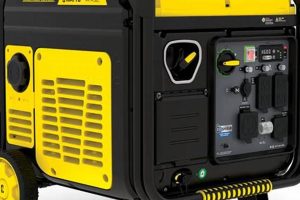
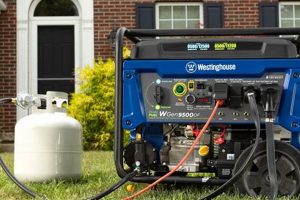
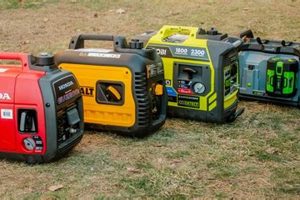
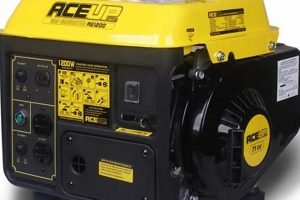
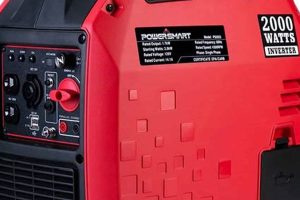
Connecting a reserve power source to a residential electrical system provides a critical backup during outages. This involves integrating a mobile, engine-driven electricity producer with the house wiring through a transfer switch, enabling specific circuits to receive power when the main grid fails. This process allows homeowners to maintain essential functions like refrigeration, lighting, and heating during power disruptions.
Residential power backup offers significant advantages, safeguarding against food spoilage, maintaining comfortable temperatures, and ensuring communication and security systems remain operational during emergencies. The development of smaller, more efficient generators has made this backup power increasingly accessible and practical for homeowners. Historically, such solutions were primarily found in commercial or industrial settings. The increasing frequency and duration of power outages due to severe weather events further highlight the importance of reliable backup power for residential applications.
This article will explore the key components of a safe and effective residential backup power setup, including transfer switch selection, proper generator sizing, and crucial safety precautions. It will also delve into the legal and practical considerations associated with generator installation and usage.
Safety and Efficiency Tips for Residential Backup Power
Effective and safe operation of a residential backup power system requires careful planning and adherence to established guidelines. The following tips provide essential information for optimizing performance and minimizing risks.
Tip 1: Professional Installation is Crucial: Engaging a qualified electrician is paramount for safe and compliant integration with home wiring. Incorrect wiring can lead to dangerous backfeeding, posing risks to utility workers and damaging appliances.
Tip 2: Proper Generator Sizing: Accurately calculating power requirements ensures sufficient capacity to run essential appliances and equipment. Undersized generators can overload, leading to malfunctions and potential damage.
Tip 3: Transfer Switch Selection: Choosing the appropriate transfer switchmanual or automaticis critical for safe operation. This device isolates the generator’s power from the utility grid, preventing backfeeding.
Tip 4: Regular Maintenance: Routine maintenance, including oil changes and filter replacements, ensures optimal generator performance and extends its lifespan. Adhering to the manufacturer’s recommended maintenance schedule is essential.
Tip 5: Proper Ventilation: Operating the generator in a well-ventilated area prevents carbon monoxide buildup. Never operate a generator indoors or in enclosed spaces.
Tip 6: Fuel Storage Safety: Storing fuel in approved containers and in a well-ventilated area away from ignition sources is critical for fire safety. Rotating fuel stock prevents degradation and ensures reliable generator starting.
Tip 7: Grounding: Correct grounding procedures are essential for electrical safety. Consult local electrical codes and a qualified electrician to ensure proper grounding practices.
Tip 8: Load Management: Prioritize essential appliances and avoid overloading the generator. Managing power consumption ensures efficient operation and prevents damage to equipment.
Adhering to these guidelines ensures a safe, reliable, and efficient backup power system, providing peace of mind during power outages.
These practical considerations, combined with the information provided throughout this article, empower homeowners to make informed decisions regarding backup power solutions, ensuring safety and preparedness for future power disruptions.
1. Safety

Safe operation of a portable generator connected to a home electrical system is paramount. Improper installation or usage can create life-threatening hazards, including carbon monoxide poisoning, fire, electrocution, and damage to appliances. Understanding and mitigating these risks is crucial for responsible generator operation.
- Carbon Monoxide Poisoning
Generators produce carbon monoxide, an odorless, colorless, and deadly gas. Operating a generator indoors or in poorly ventilated areas can lead to rapid carbon monoxide buildup, resulting in severe health consequences or fatalities. Adequate ventilation is essential for safe operation.
- Fire Hazards
Flammable fuels used in generators pose significant fire risks. Spilled gasoline or improper fuel storage can ignite easily, leading to devastating consequences. Storing fuel in approved containers away from ignition sources and allowing the generator to cool before refueling are critical safety precautions.
- Electrical Hazards
Improper connection to a home’s electrical system can lead to electrocution or electrical fires. Backfeeding, where generator power flows back into the utility grid, poses a significant danger to utility workers. A properly installed transfer switch prevents backfeeding and isolates the generator from the main electrical system.
- Appliance Damage
Incorrect generator usage can damage sensitive electronics and appliances. Power fluctuations or surges can overload circuits and destroy equipment. Using a properly sized generator and prioritizing essential appliances helps mitigate this risk.
These safety considerations highlight the importance of careful planning and execution when connecting a portable generator to a home’s electrical system. Adherence to safety guidelines, proper installation techniques, and vigilant operation are crucial for mitigating risks and ensuring the well-being of individuals and property.
2. Transfer Switch
A transfer switch represents a critical component within a portable generator home integration. This device plays a crucial role in safely connecting a portable generator to a residential electrical system, ensuring proper isolation from the utility grid. This separation prevents backfeeding, a dangerous phenomenon where generated electricity flows back onto the power lines, posing significant electrocution risks to utility workers and potentially damaging grid equipment. Transfer switches also protect household appliances from damage due to voltage fluctuations or surges. For example, without a transfer switch, a refrigerator or sensitive electronic equipment could be damaged when the generator power is activated or deactivated. Furthermore, transfer switches streamline the process of switching between utility power and generator power, simplifying operation during an outage.
Transfer switches exist in two primary forms: manual and automatic. Manual transfer switches require physical interaction to change the power source. Homeowners must manually connect the generator and then activate the switch to supply power to selected circuits. Automatic transfer switches, while more expensive, offer a higher level of convenience and safety. These devices detect a power outage, automatically start the generator (if equipped with an automatic start feature), and transfer power seamlessly. Once utility power is restored, the automatic transfer switch safely disconnects the generator and returns the electrical load to the grid. This automated process is particularly beneficial for individuals who are frequently away from home or require uninterrupted power for essential medical equipment.
Understanding the function and importance of a transfer switch is fundamental for safe and effective portable generator home integration. Correct installation and operation of this critical component mitigate significant risks associated with generator usage, ensuring the safety of individuals and the protection of both home appliances and the broader electrical grid. Selecting the appropriate transfer switch type depends on individual needs, budget, and the desired level of automation. Consultation with a qualified electrician is recommended to determine the optimal solution for specific circumstances.
3. Power Requirements

Accurately assessing power requirements is fundamental to a successful portable generator home integration. Connecting a generator without understanding the electrical load demands of the home can lead to generator overload, appliance malfunction, and potential safety hazards. Careful calculation ensures the selected generator possesses adequate capacity to power essential circuits during an outage.
- Appliance Wattage
Each appliance and electronic device possesses a specific wattage rating, indicating its power consumption. This information, typically found on appliance labels or in user manuals, is crucial for determining the total power required. For example, a refrigerator might require 700 watts, while a sump pump might need 1,000 watts. Summing these individual wattages provides a preliminary estimate of the generator’s required capacity.
- Starting Wattage vs. Running Wattage
Certain appliances, particularly those with electric motors like refrigerators and air conditioners, require a surge of power upon startup (starting wattage) that significantly exceeds their continuous operating power consumption (running wattage). Generators must accommodate both values. Ignoring starting wattage can lead to the generator stalling when these appliances attempt to start.
- Prioritization of Essential Circuits
During an outage, it’s often unnecessary to power the entire home. Prioritizing essential circuits, such as those powering refrigeration, lighting, heating, and essential medical equipment, allows for a smaller, more cost-effective generator. This prioritization requires careful consideration of individual needs and circumstances.
- Load Calculation Tools and Resources
Various online resources and load calculation tools simplify the process of determining power requirements. These resources often provide pre-populated wattage values for common household appliances, allowing users to select relevant items and automatically calculate the total load. Consulting with a qualified electrician can further refine these calculations and ensure accuracy.
Precisely determining power requirements ensures the selected generator adequately meets the demands of essential circuits during a power outage, preventing overloads and maximizing efficiency. Understanding appliance wattage, starting vs. running wattage, and circuit prioritization empowers homeowners to make informed decisions regarding generator selection and contributes to a safe and functional backup power solution.
4. Legal Codes
Adherence to legal codes and regulations is paramount when connecting a portable generator to a home’s electrical system. These codes, often established at local and national levels, ensure the safety of individuals, protect the integrity of the electrical grid, and govern permitted generator usage. Ignoring these regulations can result in fines, legal liabilities, and potentially dangerous situations. Electrical codes dictate specific requirements for wiring, grounding, transfer switch installation, and generator placement, designed to mitigate risks such as fire, electrocution, and backfeeding. Backfeeding, where the generator’s electricity flows back into the utility grid, poses a significant threat to utility workers. Legal codes mandate the use of a properly installed transfer switch to prevent this hazardous scenario. For example, the National Electrical Code (NEC) in the United States provides detailed guidelines for generator installations, specifying requirements for transfer switches, grounding procedures, and wiring methods. Local jurisdictions may have additional regulations beyond the NEC’s provisions, further emphasizing the need for thorough research and compliance.
Permitting processes represent a key aspect of legal compliance. Many jurisdictions require permits for generator installations, ensuring adherence to safety standards. Obtaining the necessary permits involves submitting detailed plans and having the installation inspected by qualified officials. This process ensures compliance with prevailing codes and reduces the risk of improper installation. Failure to obtain required permits can result in penalties and legal action. Furthermore, some areas have regulations regarding generator noise levels and operating hours, especially in residential neighborhoods. These noise ordinances aim to minimize disturbance to neighbors and maintain community peace. Understanding and adhering to these specific regulations is crucial for responsible generator usage.
Compliance with legal codes concerning generator installations safeguards homeowners and the wider community. Adhering to these regulations mitigates potential risks, ensures safe operation, and protects utility workers from harm. Understanding and fulfilling local and national code requirements is essential for responsible and legally compliant generator usage. Consultation with a qualified electrician and local authorities provides clarity on specific requirements and ensures a safe and legally sound installation.
5. Professional Installation

Professional installation is paramount for safe and effective portable generator home integration. Integrating a generator into a home’s electrical system involves intricate wiring, adherence to electrical codes, and careful consideration of safety protocols. Attempting this complex process without the expertise of a qualified electrician risks serious consequences, including fire hazards, electrocution, appliance damage, and potential harm to utility workers. A professional electrician possesses the knowledge and experience to navigate the complexities of electrical systems, ensuring compliance with local codes and adherence to best practices.
For instance, a homeowner might underestimate the necessary amperage for a transfer switch, leading to inadequate protection and potential system failure during an outage. A licensed electrician understands load calculations, ensuring the correct components are selected and installed to handle the required power demands. Furthermore, professionals ensure proper grounding procedures are followed, mitigating the risk of electrical shock. An improperly grounded generator can energize the metal frame, creating a life-threatening hazard. A professional installation also addresses the crucial issue of backfeeding, where generator power flows back into the utility grid, endangering utility workers. Electricians install transfer switches that isolate the generator from the grid, preventing this dangerous occurrence. Consider a scenario where a homeowner installs a generator without a transfer switch. During an outage, the generator’s power could energize downed power lines, posing a lethal threat to utility workers attempting repairs.
Professional installation mitigates numerous risks associated with generator integration, ensuring safety and compliance with prevailing electrical codes. This expertise safeguards both the homeowner and the broader community. Investing in professional installation represents a crucial step in responsible generator ownership, ensuring the system functions reliably and safely during power outages. This ultimately contributes to a more resilient and secure power solution for the homeowner.
Frequently Asked Questions
This section addresses common inquiries regarding safe and effective portable generator integration with home electrical systems.
Question 1: Is professional installation necessary for a portable generator?
Professional installation is strongly recommended. Incorrect wiring can lead to dangerous backfeeding, posing risks to utility workers and damaging appliances. Licensed electricians ensure compliance with electrical codes and safe integration with home wiring.
Question 2: How is the correct generator size determined for a specific home?
Calculating the wattage requirements of essential appliances and devices determines the appropriate generator size. Consider both running wattage (continuous power consumption) and starting wattage (initial power surge). Online resources and consultations with electricians can assist in accurate load calculations.
Question 3: What is the purpose of a transfer switch?
A transfer switch isolates the generator’s power from the utility grid, preventing dangerous backfeeding. This protects utility workers and prevents damage to appliances. Transfer switches also streamline the process of switching between utility and generator power.
Question 4: What safety precautions are essential when operating a portable generator?
Operate generators outdoors in well-ventilated areas to prevent carbon monoxide poisoning. Store fuel in approved containers away from ignition sources. Allow the generator to cool before refueling. Ensure proper grounding to prevent electrical shocks.
Question 5: Are there legal requirements for connecting a portable generator to a home’s electrical system?
Local and national electrical codes govern generator installations. Permits may be required. Adherence to these codes ensures safety and compliance, covering aspects like transfer switch usage, grounding, and wiring methods.
Question 6: What maintenance is required for a portable generator?
Regular maintenance, including oil changes, filter replacements, and spark plug inspections, ensures optimal generator performance and longevity. Consult the manufacturer’s recommendations for specific maintenance schedules and procedures.
Addressing these frequently asked questions provides a foundational understanding of safe and effective portable generator usage. Thorough research and adherence to safety guidelines are paramount for responsible generator operation and home integration.
For further information, consult certified electricians and local authorities regarding specific requirements and recommendations.
Portable Generator Home Hook Up
Safe and effective portable generator integration requires careful consideration of multiple factors. From understanding power requirements and selecting the appropriate transfer switch to adhering to legal codes and prioritizing safety, each element contributes to a reliable and secure backup power solution. Professional installation is crucial, ensuring adherence to safety standards and maximizing the generator’s efficacy during outages. Correct usage and regular maintenance further extend the generator’s lifespan and optimize performance. Overlooking any of these crucial aspects can compromise safety, create legal liabilities, and diminish the effectiveness of the backup power system.
Reliable backup power provides critical support during unforeseen outages, safeguarding essential household functions and enhancing overall resilience. Investing in a properly integrated portable generator empowers homeowners to navigate power disruptions with confidence, maintaining essential services and enhancing safety. Continued education and adherence to established guidelines ensure safe and effective operation, maximizing the benefits of this valuable resource for years to come. Thorough preparation and responsible generator usage contribute significantly to household preparedness and peace of mind in the face of potential power disruptions.