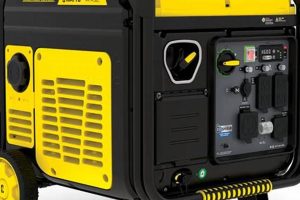
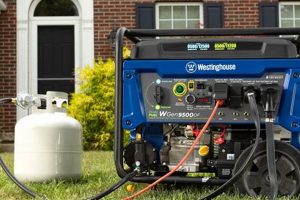
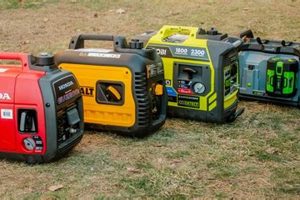
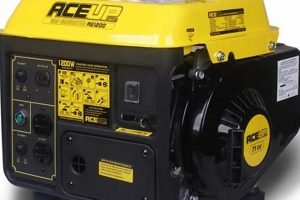
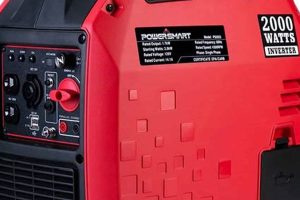
Standby power solutions offer critical functionality during outages, ranging from smaller, gasoline-powered portable units to permanently installed, automatic systems fueled by natural gas, propane, or diesel. Portable generators offer a cost-effective solution for powering essential appliances, while permanently installed systems provide uninterrupted power to an entire house during an outage.
Reliable backup power is increasingly crucial in today’s world, ensuring safety, comfort, and the continued operation of vital equipment during power disruptions caused by severe weather, grid failures, or other unforeseen events. Historically, backup power was primarily a concern for critical infrastructure and businesses. However, the increasing dependence on electricity in homes, coupled with the rising frequency and severity of weather events, has made residential backup power a growing priority.
The following sections will delve into the specific features, advantages, and disadvantages of each type of power solution, enabling readers to make informed decisions based on their individual needs and circumstances. Topics covered will include fuel types, power output, installation requirements, maintenance, and cost considerations.
Selecting the Right Backup Power Solution
Choosing between a portable generator and a whole-house system requires careful consideration of various factors. The following tips provide guidance for making an informed decision.
Tip 1: Assess power requirements. Calculate the wattage needed to run essential appliances and devices. Portable generators are suitable for limited power needs, while whole-house systems handle larger loads.
Tip 2: Consider fuel type and availability. Portable generators typically use gasoline, requiring regular refueling. Whole-house systems can operate on natural gas, propane, or diesel, offering continuous operation during extended outages.
Tip 3: Evaluate installation requirements. Portable generators require minimal setup, while whole-house systems necessitate professional installation and connection to the home’s electrical system.
Tip 4: Factor in maintenance needs. Both types of generators require regular maintenance, including oil changes, filter replacements, and periodic inspections. Whole-house systems often include automatic self-testing features.
Tip 5: Analyze budget constraints. Portable generators are generally less expensive upfront, while whole-house systems represent a larger investment but offer greater convenience and comprehensive coverage.
Tip 6: Research local regulations and permits. Installation of whole-house systems often requires permits and adherence to local building codes. Research these requirements beforehand.
Tip 7: Consider runtime and fuel storage. Portable generators require refueling, limiting runtime. Whole-house systems connected to natural gas or propane offer extended operation without refueling concerns. Adequate fuel storage for gasoline-powered units is vital.
Careful consideration of these factors ensures selection of the most appropriate backup power solution to meet individual needs and provide reliable power during outages.
By evaluating these points, consumers can make informed choices, ensuring adequate power during unforeseen events and maximizing the long-term value of their investment.
1. Power Output

A critical distinction between whole-home generators and portable generators lies in their power output capabilities. This factor directly impacts the number of appliances and devices that can be powered simultaneously during an outage. Understanding power output requirements is essential for selecting the appropriate backup power solution.
- Rated Power vs. Starting Power
Generators are characterized by two power ratings: rated (running) power and starting (peak) power. Rated power indicates the continuous power supply the generator can maintain, while starting power represents the temporary surge of power needed to start motor-driven appliances like refrigerators and air conditioners. Portable generators typically offer lower starting and running wattage compared to whole-house systems, limiting the number of devices they can power. For instance, a portable generator might offer 5,000 running watts and 6,250 starting watts, sufficient for a few essential appliances, while a whole-house generator might provide 10,000 running watts and 12,000 starting watts, capable of powering an entire home.
- Appliance Power Consumption
Determining the appropriate generator size requires calculating the combined wattage of the appliances intended for backup power. Sum the running watts of essential devices and factor in the highest starting wattage of any individual appliance. This total wattage informs the minimum power output required from the generator. For example, a homeowner intending to power a refrigerator (150 running watts, 600 starting watts), a sump pump (750 running watts, 1,500 starting watts), and several lights (200 running watts total) requires a generator capable of supplying at least 1,100 running watts and 1,500 starting watts.
- Whole-House Power Demands
Whole-house generators are designed to meet the full power demands of a residence, ensuring uninterrupted operation of all essential systems, including HVAC, lighting, appliances, and security systems. Sizing a whole-house generator involves a comprehensive assessment of the home’s electrical load, often performed by a qualified electrician. This assessment considers factors like square footage, number of appliances, and anticipated future power needs.
- Overloading Considerations
Exceeding a generator’s power capacity leads to overloading, potentially damaging the generator and connected appliances. Choosing a generator with sufficient power output to comfortably handle the anticipated load is crucial for safe and reliable operation. A safety margin of 20-30% above the calculated load is advisable. This margin accommodates unexpected power demands and prevents overloading.
Understanding power output requirements is paramount when deciding between a portable generator and a whole-house system. Careful assessment of power needs, combined with consideration of starting and running wattage, ensures the selected generator can reliably power essential devices during an outage, preventing overload and maximizing safety and efficiency.
2. Fuel Source

Fuel source is a primary consideration when evaluating portable versus whole-home generators. The choice of fuel impacts availability, cost, storage requirements, and overall convenience. Different fuel types offer distinct advantages and disadvantages, influencing the suitability of each generator type for specific applications.
Portable generators predominantly utilize gasoline. Gasoline offers wide availability but requires regular replenishment, especially under heavy load. Storage necessitates appropriate containers and adherence to safety regulations due to flammability. Propane is also an option for some portable units, offering longer shelf life and cleaner burning. Whole-home generators, however, provide more fuel flexibility. Natural gas, often readily available through existing utility connections, allows for automatic, continuous operation without refueling. Propane, stored in large tanks, offers similar extended operation for off-grid or areas without natural gas service. Some whole-home units can also operate on diesel, known for its efficiency and long-term storage stability. For instance, a homeowner experiencing frequent, short outages might find a gasoline-powered portable generator sufficient. However, for extended outages or critical power needs, a natural gas or propane-powered whole-home generator offers greater reliability and convenience.
The choice of fuel source directly impacts the practicality and effectiveness of a backup power solution. Gasoline’s portability suits temporary needs, while natural gas and propane offer continuous operation for whole-home systems. Careful consideration of fuel availability, storage, cost, and runtime requirements is essential for selecting the optimal fuel type for each specific scenario. Understanding these factors ensures a reliable power supply during outages and minimizes disruptions.
3. Installation

Installation requirements represent a significant differentiating factor between portable and whole-home generators. Portable generators offer plug-and-play simplicity, requiring minimal setup. Connecting appliances directly to the generator’s outlets or using extension cords provides immediate power. However, whole-home generator installation necessitates professional expertise. These systems require connection to the home’s electrical panel through a transfer switch, ensuring safe disconnection from the utility grid and automatic operation during outages. This intricate process involves electrical wiring, gas line plumbing (for natural gas or propane units), and adherence to local building codes and permitting regulations. For example, while a homeowner can readily position and operate a portable generator outdoors, installing a whole-home generator involves site preparation, concrete pad placement, and professional electrical and plumbing work. Incorrect installation can compromise safety and system functionality.
The complexity of whole-home generator installation underscores the importance of engaging qualified professionals. Licensed electricians and plumbers ensure proper system integration, adherence to safety protocols, and compliance with local regulations. Improper installation can lead to hazardous conditions, including backfeeding to the utility grid, posing risks to utility workers and potentially damaging appliances. Portable generators, while simpler to set up, still require adherence to safety guidelines, including proper ventilation and grounding. Overlooking these precautions can lead to carbon monoxide poisoning or electrical hazards. Consider a scenario where a homeowner incorrectly installs a transfer switch, failing to isolate the home from the grid during generator operation. This could result in backfeeding, energizing downed power lines and endangering utility workers. Conversely, improper grounding of a portable generator could create a shock hazard during operation.
The installation process significantly impacts the overall cost and timeline for implementing a backup power solution. While portable generators offer immediate functionality with minimal upfront investment, whole-home generator installation requires a more substantial financial commitment and involves longer lead times for permitting, equipment procurement, and professional installation services. Understanding these distinctions allows homeowners to make informed decisions based on their budget, technical expertise, and desired level of system integration. Choosing the correct installation approach, whether DIY for portable units or professional installation for whole-home systems, ensures safe, reliable operation and minimizes potential risks.
4. Portability

Portability represents a key distinction between whole-home and portable generators, impacting their usability and applications. While whole-home generators provide comprehensive, stationary power solutions, portable generators offer flexibility for diverse usage scenarios. This core difference significantly influences how each generator type addresses backup power needs.
- Mobility and Convenience
Portable generators excel in their ability to be moved and deployed as needed. This mobility allows for convenient transportation between locations, supporting various applications beyond home backup power, such as recreational activities, job sites, or temporary power needs during events. Whole-home generators, due to their permanent installation, lack this flexibility. They are designed for stationary operation, providing dedicated backup power to a fixed location.
- Space and Storage Considerations
The compact size of portable generators allows for easy storage when not in use. This is particularly advantageous for users with limited space or those who require backup power only occasionally. Whole-home generators, being permanently installed, require dedicated space outdoors, often on a concrete pad, and lack the storage flexibility of portable units.
- Powering Specific Appliances/Circuits
Portable generators provide targeted power delivery. Users can selectively connect specific appliances or devices as needed, optimizing fuel consumption and extending runtime. This targeted approach also allows for powering essential circuits during outages, prioritizing critical loads. Whole-home generators, by design, power the entire house or a pre-selected portion, potentially consuming more fuel even when powering only a few appliances.
- Emergency Preparedness and Response
Portable generators offer valuable support during emergencies and natural disasters. Their mobility allows for rapid deployment to affected areas, providing essential power for critical operations like emergency lighting, communication equipment, or medical devices. Whole-home generators, while offering automated backup power for a specific residence, lack the portability needed for broader emergency response scenarios.
The portability factor significantly influences the choice between a whole-home and portable generator. While whole-home systems offer comprehensive, automatic backup power, portable generators provide flexibility, mobility, and targeted power delivery for diverse needs. Considering these portability aspects is crucial for selecting the most appropriate solution for specific backup power requirements, ranging from home use to emergency preparedness and specialized applications.
5. Maintenance
Maintenance requirements differ significantly between portable and whole-home generators, impacting long-term cost, reliability, and operational lifespan. Portable generators, typically air-cooled, necessitate more frequent maintenance due to higher operating temperatures and simpler construction. Regular tasks include oil changes, air filter cleaning or replacement, and spark plug inspection. Whole-home generators, often liquid-cooled, generally require less frequent maintenance intervals. However, their more complex systems necessitate professional service for tasks like coolant system checks, valve adjustments, and comprehensive inspections. For example, a portable generator might require an oil change every 50 operating hours, while a whole-home generator might require an oil change every 100-200 hours or annually. Neglecting routine maintenance on a portable generator can lead to overheating, reduced performance, and premature engine failure. Similarly, failing to maintain a whole-home generator can result in costly repairs, system malfunctions during outages, and a shortened lifespan.
Preventative maintenance schedules should align with manufacturer recommendations and operating conditions. Generators operating under heavy loads or in harsh environments require more frequent attention. Tracking operating hours and scheduling maintenance accordingly ensures optimal performance and longevity. Beyond routine maintenance, periodic inspections by qualified technicians are crucial, especially for whole-home generators. These inspections identify potential issues early, preventing major failures and ensuring reliable operation during critical outages. For instance, a technician might identify a worn fuel line during an inspection, preventing a potential fuel leak or fire hazard. Similarly, detecting a failing starting battery early ensures the generator starts reliably when needed.
Proper maintenance practices are crucial for maximizing the return on investment for both portable and whole-home generators. Regular maintenance minimizes downtime, extends operational life, and ensures reliable performance during power outages. While portable generators require more frequent, hands-on maintenance, whole-home generators benefit from professional service and periodic inspections. Understanding these maintenance requirements empowers consumers to make informed decisions, budget appropriately for long-term upkeep, and ensure reliable backup power when it matters most. Neglecting these crucial maintenance tasks can lead to costly repairs, system failures, and safety hazards, undermining the primary purpose of investing in a backup power solution.
6. Cost
Cost is a significant factor influencing the decision between a portable generator and a whole-home generator. Understanding the various cost components associated with each optionincluding initial investment, installation expenses, operational costs, and maintenanceis crucial for making an informed decision aligned with budget and long-term value.
- Initial Investment
Portable generators typically have a lower upfront purchase price, ranging from a few hundred to a few thousand dollars depending on power output and features. Whole-home generators represent a substantially larger initial investment, ranging from several thousand to tens of thousands of dollars, depending on capacity, fuel type, and installation complexity. This initial cost disparity reflects the difference in power output, system complexity, and overall functionality.
- Installation Expenses
Installation costs contribute significantly to the overall expense of a whole-home generator. Professional installation, including electrical work, gas line connections (if applicable), and permitting, can add thousands of dollars to the project. Portable generators, conversely, require minimal installation expense, often involving only connection to appliances via extension cords or directly to the generator’s outlets.
- Operational Costs
Operational costs primarily involve fuel consumption. Portable generators, often running on gasoline, incur recurring fuel expenses depending on usage and load. Whole-home generators using natural gas or propane offer potentially lower operating costs per kilowatt-hour, but fuel prices can fluctuate. Calculating potential fuel consumption based on anticipated usage helps estimate ongoing operational expenses.
- Maintenance and Repairs
Both portable and whole-home generators require ongoing maintenance. Portable generators typically involve DIY tasks like oil changes, filter replacements, and spark plug maintenance. Whole-home generators often necessitate professional service for more complex maintenance procedures, potentially increasing long-term costs. Factoring in potential repair costs is also essential. Portable generators, due to their simpler construction, may have lower repair costs compared to more complex whole-home systems.
A comprehensive cost analysis considering initial investment, installation, operation, and maintenance is essential for making a sound decision. While portable generators offer a lower entry point, whole-home generators provide long-term value through automated operation, greater power capacity, and extended runtimes. Evaluating these cost components alongside individual power needs and budget constraints ensures the chosen solution delivers reliable backup power while maximizing return on investment.
7. Run Time
Runtime, a crucial factor in generator selection, significantly differentiates whole-home generators from portable counterparts. This characteristic defines the duration a generator can operate continuously at a given load, directly impacting its practicality and effectiveness during power outages. Understanding runtime implications is essential for choosing the appropriate backup power solution.
- Fuel Capacity and Consumption
Fuel capacity directly influences runtime. Portable generators typically have smaller fuel tanks, requiring more frequent refueling, especially under heavy loads. Whole-home generators, often connected to larger propane tanks or natural gas lines, offer extended runtimes without refueling interruptions. A portable generator with a 5-gallon tank might run for 8-10 hours at half load, while a whole-home generator connected to a 250-gallon propane tank could operate for days. This difference is crucial during extended outages.
- Load Size and Management
The electrical load significantly impacts runtime. Higher power demands deplete fuel reserves faster, shortening runtime. Managing load by prioritizing essential appliances and avoiding unnecessary power consumption extends the operational duration for both portable and whole-home generators. For example, running a refrigerator, a few lights, and essential electronics consumes less fuel and extends runtime compared to powering an entire house with multiple appliances simultaneously.
- Fuel Type and Efficiency
Fuel type influences runtime and efficiency. Gasoline, commonly used in portable generators, offers readily available portability but may not provide the same runtime efficiency as propane or natural gas. Whole-home generators using natural gas or propane benefit from cleaner combustion and potentially longer runtimes due to higher energy density and often larger fuel storage capacities. Diesel, another option for some whole-home generators, offers excellent efficiency and extended runtimes but may require specialized maintenance.
- Automatic Operation and Extended Outages
Whole-home generators, equipped with automatic transfer switches, provide uninterrupted power during outages, ensuring critical systems continue functioning without intervention. This automated operation, coupled with extended runtimes facilitated by larger fuel sources or utility connections, offers significant advantages during prolonged power disruptions. Portable generators require manual starting and refueling, limiting their practicality for extended outages. For instance, during a multi-day outage, a whole-home generator connected to natural gas can maintain essential home functions without interruption, while a portable generator would require regular refueling and manual operation.
Runtime considerations are pivotal when selecting between portable and whole-home generators. Portable generators, while offering flexibility, have limited runtimes due to smaller fuel capacities. Whole-home generators excel in extended operation during prolonged outages, ensuring critical systems function without interruption. Carefully assessing power needs, fuel availability, and outage duration allows for informed decision-making, ensuring the chosen generator provides reliable backup power when needed most.
Frequently Asked Questions
This section addresses common inquiries regarding the selection and operation of backup power solutions, focusing on the distinctions between whole-home and portable generators.
Question 1: What is the primary difference between a whole-home generator and a portable generator?
Whole-home generators automatically provide power to an entire house during an outage, while portable generators power select appliances through extension cords or direct connections.
Question 2: How is generator size determined?
Generator size is based on the wattage requirements of the appliances intended for backup power. Calculating the sum of running watts and considering the highest starting wattage of individual appliances determines the necessary generator capacity.
Question 3: What are the fuel options for each generator type?
Portable generators commonly use gasoline, while whole-home generators can operate on natural gas, propane, or diesel.
Question 4: What are the installation requirements for each type?
Portable generators require minimal setup, while whole-home generators necessitate professional installation, including connection to the home’s electrical panel and fuel supply.
Question 5: What maintenance is involved with each generator type?
Both require regular maintenance, including oil changes and filter replacements. Whole-home generators often benefit from professional servicing, while portable generator maintenance can typically be performed by the owner.
Question 6: How does cost compare between portable and whole-home generators?
Portable generators typically have a lower initial purchase price, while whole-home generators involve higher upfront costs but offer greater convenience and comprehensive coverage.
Careful evaluation of these factors allows informed decision-making regarding the most appropriate backup power solution based on individual needs, budget, and desired level of power coverage during outages.
The subsequent section offers a comprehensive comparison table summarizing the key features and specifications of whole-home and portable generators, facilitating side-by-side analysis for streamlined decision-making.
Whole Home Generator vs Portable
Selecting between a whole home generator and a portable generator requires careful consideration of various factors. This analysis has explored critical aspects such as power output, fuel source, installation requirements, portability, maintenance needs, cost considerations, and runtime expectations. Portable generators offer a cost-effective solution for powering essential appliances during short-term outages, while whole-home generators provide comprehensive, automatic power to an entire residence during extended power disruptions. Understanding the distinct advantages and limitations of each type is crucial for informed decision-making.
Backup power solutions play a vital role in ensuring safety, comfort, and operational continuity during unforeseen power outages. Choosing the appropriate generator typewhole home or portablerequires careful evaluation of individual needs and circumstances. A comprehensive assessment of power requirements, budget constraints, fuel availability, and desired level of automation empowers consumers to select the optimal solution for reliable backup power, safeguarding homes and ensuring peace of mind during critical events.