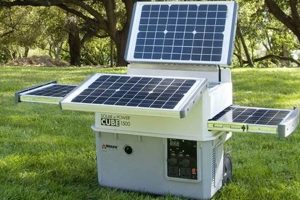
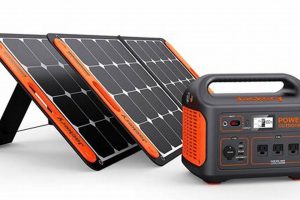
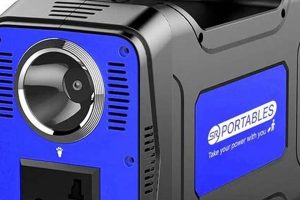
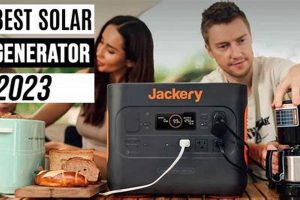
Compact, self-contained power generation units utilizing photovoltaic panels to convert sunlight into electricity are gaining popularity. These systems typically include a solar panel array, a charge controller to regulate the energy flow, a battery for storage, and an inverter to convert the stored direct current (DC) electricity into alternating current (AC) for powering standard devices. A small system might power essential devices during a camping trip, while larger units can provide backup power for a home during a grid outage.
The ability to generate electricity off-grid represents a significant advantage, offering both independence from traditional power sources and a reduction in reliance on fossil fuels. This technology empowers users in remote locations or during emergencies, providing a sustainable and quiet alternative to conventional generators. Historically, solar power was expensive and inefficient, limiting its practical applications. Advancements in photovoltaic technology, battery storage, and power electronics have led to more affordable, efficient, and portable systems, expanding access to clean energy.
This discussion will delve further into the specific components, varying sizes and capacities, proper usage, maintenance, and safety considerations associated with these increasingly vital power solutions. The exploration will also consider the environmental and economic impacts, comparing these systems with traditional fuel-powered generators.
Tips for Utilizing Solar-Powered Generators
Effective use of solar-powered generators requires understanding their capabilities and limitations. The following tips offer guidance for maximizing performance and longevity.
Tip 1: Calculate Power Needs: Determine the wattage requirements of devices intended for connection. This informs appropriate generator sizing, ensuring sufficient power availability.
Tip 2: Optimize Solar Panel Placement: Position panels for maximum sunlight exposure throughout the day. Avoid shade and consider panel angle relative to the sun’s path.
Tip 3: Regularly Monitor Battery Levels: Track the state of charge to avoid complete discharge, which can shorten battery lifespan. Recharge promptly after use.
Tip 4: Understand Charge Controller Functionality: Familiarize oneself with the charge controller’s settings and indicators. This allows for optimized charging and prevents overcharging.
Tip 5: Proper Storage and Maintenance: Store the generator in a dry, protected environment when not in use. Periodically inspect cables, connections, and ventilation for optimal performance.
Tip 6: Prioritize Energy Efficiency: Use energy-efficient appliances and devices to minimize power consumption, extending the generator’s runtime.
Tip 7: Consider Expandability: Some systems allow for additional solar panels or batteries to increase capacity as power needs evolve.
Adherence to these guidelines ensures reliable power generation, extends the lifespan of the equipment, and optimizes the overall investment in solar-powered generation.
These practical tips provide a foundation for successful operation. Further exploration of specific system types and advanced usage scenarios will enhance user proficiency and understanding.
1. Portability

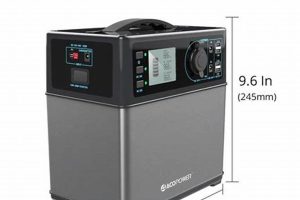
Portability is a defining characteristic of these power solutions, directly influencing their usability and applicability across diverse scenarios. The compact design and manageable weight of these units facilitate convenient transport and deployment in off-grid locations, disaster relief efforts, remote work sites, or recreational activities. This characteristic distinguishes them from larger, stationary power systems, expanding the potential use cases considerably. For instance, a portable solar generator can be readily moved to power tools at a construction site lacking grid access, or provide essential electricity during camping trips. This inherent mobility enhances their value in situations where traditional power sources are unavailable or impractical.
The degree of portability varies depending on the specific unit’s size and weight. Smaller, lightweight systems prioritize ease of carrying, while larger units, often equipped with wheels or handles, offer a balance between power output and manageable transport. Consider a scenario where emergency power is needed following a natural disaster. A highly portable unit can be quickly deployed to provide critical power for medical devices or communication equipment. Conversely, a larger, wheeled unit might power essential appliances in a remote cabin or support off-grid living arrangements. The selection of an appropriately sized system, therefore, hinges on a careful assessment of power requirements and the specific demands of the intended usage.
Understanding the portability factor in the context of solar-powered generators is crucial for informed decision-making. This attribute significantly expands access to clean, renewable energy in situations where traditional power infrastructure is absent or compromised. The practical implications extend from supporting essential services in emergencies to enhancing the feasibility of sustainable off-grid living and facilitating a range of professional and recreational activities. Careful consideration of size, weight, and power output allows users to select a system optimally suited to their specific needs and circumstances.
2. Solar Charging

Solar charging forms the core principle behind portable solar generators, differentiating them from conventional fuel-based counterparts. Harnessing photovoltaic technology, these systems convert sunlight directly into electricity, offering a clean, renewable energy source. This fundamental process underpins the off-grid functionality and environmental benefits associated with these devices. Understanding solar charging is crucial for maximizing the effectiveness and longevity of portable solar generators.
- Photovoltaic Cell Technology
Photovoltaic cells, the building blocks of solar panels, facilitate the direct conversion of sunlight into electricity. Crystalline silicon and thin-film technologies are commonly employed. Crystalline silicon offers higher efficiency, while thin-film provides flexibility and lighter weight. The efficiency and type of photovoltaic cells directly influence the charging rate and overall performance of the generator. For instance, a generator utilizing high-efficiency monocrystalline silicon panels will charge faster under optimal sunlight conditions compared to one using thin-film technology.
- Charge Controller Functionality
The charge controller plays a critical role in regulating the flow of energy from the solar panels to the battery. It prevents overcharging, which can damage the battery, and optimizes charging efficiency. Different charge controller types, such as Maximum Power Point Tracking (MPPT) and Pulse Width Modulation (PWM), offer varying levels of sophistication and efficiency. MPPT controllers are generally more efficient, particularly in fluctuating light conditions, ensuring maximum power extraction from the solar panels.
- Solar Panel Placement and Orientation
The positioning of solar panels significantly impacts charging effectiveness. Optimal placement maximizes exposure to direct sunlight throughout the day. Factors like latitude, time of year, and potential shading obstructions influence panel orientation. For example, in the northern hemisphere, panels should ideally face south to maximize solar gain. Adjustable mounting systems allow users to optimize panel angle according to the sun’s position, enhancing charging performance.
- Environmental Factors Affecting Charging
Environmental conditions like cloud cover, temperature, and air pollution can influence solar charging rates. Reduced sunlight intensity directly translates to lower charging efficiency. Temperature also plays a role, as higher temperatures can slightly decrease panel output. Understanding these factors helps manage expectations and plan usage accordingly. For instance, users operating in consistently cloudy climates might consider supplementary charging methods or oversized solar panel arrays to compensate for reduced solar input.
These facets of solar charging collectively determine the effectiveness and efficiency of portable solar generators. Understanding these principles enables users to optimize charging performance, extend battery lifespan, and ultimately maximize the utility of these valuable off-grid power solutions. The interplay between photovoltaic technology, charge controller functionality, panel placement, and environmental conditions directly impacts the overall system performance and user experience. A thorough understanding of these elements is therefore essential for informed decision-making and successful operation.
3. Power Output

Power output, measured in watts, represents a critical specification for portable solar generators, directly dictating the types and number of devices that can be powered simultaneously. This metric signifies the generator’s capacity to deliver electrical energy and is a primary factor determining its suitability for various applications. Understanding power output is essential for selecting a generator that meets specific power demands. For instance, a generator with a 1000-watt output could power essential household appliances during a power outage, while a smaller 200-watt unit might suffice for charging laptops and smartphones during a camping trip. The power output needs to be carefully matched to the intended load to ensure reliable and safe operation.
The relationship between power output and the generator’s other components is significant. A higher power output necessitates a larger battery capacity to store sufficient energy and a more robust inverter to handle the increased current draw. The solar panel array’s size and efficiency also directly influence the rate at which the battery recharges and, consequently, the sustained power output available over time. Consider a scenario requiring continuous operation of power-hungry devices. A generator with a higher power output and correspondingly larger battery capacity would be essential to meet these sustained demands. Conversely, intermittent usage of low-power devices allows for a smaller, more portable unit with a lower power output.
Practical implications of power output extend to selecting appropriate cables and connectors to handle the current flow safely. Exceeding the generator’s rated power output can lead to overload, potentially damaging the system and posing safety risks. Therefore, careful consideration of power requirements and the generator’s specified output is crucial for ensuring safe and effective operation. Matching the generator’s capabilities to the intended load prevents overloads and ensures reliable performance, extending the generator’s lifespan and maximizing its utility across various applications, from emergency power supply to off-grid living and recreational use.
4. Battery Capacity

Battery capacity, measured in ampere-hours (Ah) or watt-hours (Wh), represents a crucial factor influencing the runtime and overall utility of portable solar generators. This specification dictates the amount of energy the generator can store, directly impacting its ability to power devices for extended periods. Understanding battery capacity is essential for selecting a system that aligns with specific power needs and usage patterns. This exploration delves into the key facets of battery capacity in the context of portable solar generators.
- Battery Chemistry
Battery chemistry significantly impacts performance characteristics, including energy density, lifespan, and charging characteristics. Common battery types include Lithium-ion (Li-ion), Lead-acid, and Nickel-metal hydride (NiMH). Li-ion batteries offer higher energy density and longer lifespans compared to lead-acid or NiMH, making them a preferred choice for portable solar generators. Lead-acid batteries, while less expensive, tend to be heavier and have shorter lifespans. The choice of battery chemistry reflects a balance between cost, performance, and longevity.
- Capacity and Runtime
The relationship between battery capacity and runtime is fundamental. A larger battery capacity translates to a longer runtime, assuming a constant power draw. However, actual runtime depends on the power consumption of connected devices. For example, a generator with a 500Wh battery might power a 100W appliance for five hours. Understanding this relationship is crucial for selecting a generator that meets specific usage duration requirements. Calculating the total energy consumption of intended devices helps determine the necessary battery capacity for the desired runtime.
- Depth of Discharge (DOD)
Depth of Discharge (DOD) represents the percentage of the battery’s total capacity that has been discharged. Repeatedly discharging a battery to its maximum DOD can shorten its lifespan. Li-ion batteries generally tolerate deeper discharges than lead-acid batteries. Managing DOD appropriately, by avoiding frequent deep discharges, extends battery longevity. For example, limiting DOD to 80% can significantly prolong the battery’s useful life. Monitoring DOD and recharging the battery before it reaches a critically low level is essential for preserving battery health.
- Temperature Effects
Temperature significantly influences battery performance. Extreme temperatures, both hot and cold, can affect battery capacity and charging efficiency. Li-ion batteries are particularly susceptible to temperature fluctuations. Operating the generator within the manufacturer’s recommended temperature range optimizes performance and lifespan. For instance, storing the generator in a cool, dry place when not in use can help maintain battery health. In colder climates, insulating the battery or utilizing temperature-compensated charging algorithms can mitigate the negative effects of low temperatures.
These interconnected facets of battery capacity collectively influence the practical utility and longevity of portable solar generators. Careful consideration of battery chemistry, capacity, DOD management, and temperature effects ensures optimal performance and extends the lifespan of the energy storage system. Understanding these elements empowers users to select and operate their generators effectively, maximizing their value as reliable off-grid power solutions.
5. Durability

Durability represents a critical factor influencing the long-term value and reliability of portable solar generators, particularly given their frequent use in demanding outdoor environments. These units must withstand various environmental stressors, including temperature fluctuations, moisture, dust, and potential impacts. Robust construction, employing durable materials and weatherproof designs, safeguards internal components and ensures consistent performance over extended periods. This inherent resilience directly impacts the generator’s lifespan and its ability to provide reliable power in challenging conditions. Consider a scenario where a portable solar generator is deployed for disaster relief efforts. Its ability to withstand harsh weather and rough handling becomes essential for providing consistent power for critical operations. Conversely, a unit used for recreational purposes, like camping, still benefits from durable construction to withstand the rigors of transport and outdoor exposure.
Several factors contribute to the overall durability of these systems. The casing’s material and construction play a crucial role in protecting internal components from damage. Impact-resistant plastics, reinforced corners, and secure sealing against water and dust ingress contribute to a robust design. Furthermore, the quality of internal components, such as the charge controller, inverter, and battery, also influences long-term reliability. Components designed to withstand voltage fluctuations, temperature extremes, and continuous operation contribute to the system’s overall resilience. For instance, a generator employing high-quality, temperature-tolerant batteries will likely offer a longer lifespan and more consistent performance in extreme climates compared to a unit with lower-grade batteries.
The practical significance of durability extends beyond mere longevity. A durable generator provides consistent, reliable power in demanding situations, enhancing its value as a critical resource for emergency preparedness, off-grid living, and professional applications. Investing in a durable unit translates to lower long-term costs associated with repairs or replacements. Furthermore, robust construction ensures the generator can withstand the rigors of frequent transport and use in challenging environments, maximizing its utility across diverse applications. Understanding the various aspects of durability, from casing construction to component quality, empowers informed purchasing decisions, ensuring the selected generator meets the specific demands of its intended use case and provides reliable power for years to come.
Frequently Asked Questions
Addressing common inquiries regarding portable solar generators provides clarity on their capabilities, limitations, and practical applications.
Question 1: What is the typical lifespan of a portable solar generator’s battery?
Battery lifespan varies depending on chemistry, usage patterns, and maintenance. Lithium-ion batteries typically offer longer lifespans, ranging from 500 to 2000 charge cycles, while lead-acid batteries may last for 200 to 500 cycles. Proper charging practices and avoiding deep discharges contribute to maximizing battery longevity.
Question 2: Can these generators be used in all weather conditions?
While solar panels can generate power in various weather conditions, direct sunlight yields optimal performance. Extreme temperatures can impact battery efficiency and overall system performance. Consult manufacturer guidelines for specific operating temperature ranges. Protecting the unit from excessive moisture or dust is crucial for maintaining its longevity.
Question 3: How long does it take to recharge a portable solar generator using solar panels?
Recharge time depends on solar panel size, efficiency, battery capacity, and sunlight intensity. Under optimal sunlight conditions, smaller units might recharge in several hours, while larger systems could require a full day. Supplementary charging methods, such as AC wall outlets or car chargers, offer faster recharge options when solar charging is impractical.
Question 4: What maintenance is required for portable solar generators?
Regular maintenance includes inspecting cables and connections for damage, cleaning solar panels to optimize performance, and monitoring battery health. Specific maintenance requirements vary depending on the unit and manufacturer recommendations. Adhering to recommended maintenance procedures extends the system’s lifespan and ensures reliable operation.
Question 5: Are portable solar generators safe for indoor use?
Solar generators designed for indoor use typically incorporate safety features to prevent hazards like fire or carbon monoxide poisoning associated with traditional fuel-based generators. Adequate ventilation is crucial, especially during charging. Adhering to manufacturer guidelines for indoor operation ensures safe usage.
Question 6: What is the warranty coverage for these generators?
Warranty coverage varies depending on the manufacturer and specific product. Typical warranties cover defects in materials and workmanship for a specified period. Understanding warranty terms and conditions provides clarity on potential repair or replacement options within the warranty period.
Addressing these common questions provides a foundational understanding of portable solar generators. Further research and consultation with manufacturers can offer tailored guidance specific to individual needs and usage scenarios.
The subsequent section will delve into practical usage examples and case studies, showcasing the versatility and effectiveness of portable solar generators in various real-world applications.
Portable Generator Solar
Compact solar-powered generators represent a significant advancement in portable power solutions. This exploration has examined their core components, functionality, and diverse applications. From the underlying photovoltaic principles converting sunlight into electricity to the intricacies of battery storage and power delivery, these systems offer a sustainable and versatile alternative to traditional fuel-powered generators. Key considerations encompassing power output, battery capacity, portability, and durability underscore the importance of selecting a system tailored to specific needs. Furthermore, understanding optimal usage practices, including solar panel placement, charge controller management, and battery maintenance, ensures efficient and long-lasting performance. The discussion also addressed common inquiries, providing clarity on practical aspects such as recharge times, weather considerations, and safety guidelines.
As technology continues to advance, the accessibility and affordability of portable solar generators are expected to improve further, driving wider adoption across various sectors. The transition towards cleaner and more sustainable energy solutions underscores the increasing relevance of these versatile power systems. Their ability to provide reliable power in off-grid locations, during emergencies, and for a range of professional and recreational activities positions them as a crucial tool for both individual users and broader societal resilience. The ongoing development of more efficient photovoltaic cells, higher capacity batteries, and smarter power management systems promises to further enhance the capabilities and utility of portable solar-powered generation in the years to come. This evolution will undoubtedly contribute to a more sustainable and resilient energy landscape, empowering individuals, communities, and industries to embrace cleaner power solutions for a brighter future.