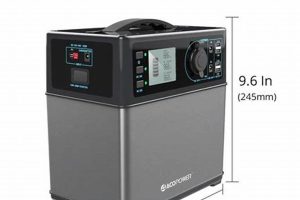
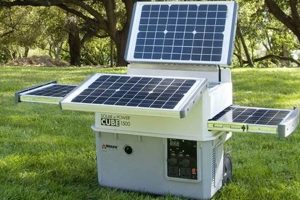
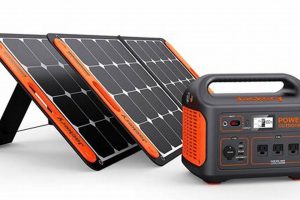
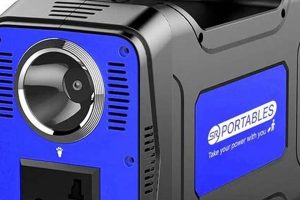
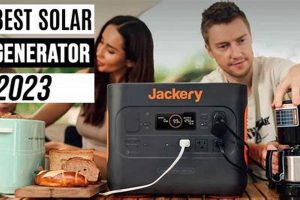
The lifespan of a portable power station powered by the sun depends on several interconnected factors, including the battery’s chemistry, the usage patterns, and the maintenance regimen. For example, a lithium-ion battery in a solar generator typically lasts longer than a lead-acid battery, often enduring several thousand charge cycles. The frequency and depth of discharge also play a role; consistently depleting the battery completely will shorten its lifespan compared to partial discharges.
Understanding the typical operational duration of these devices is essential for consumers. This knowledge empowers potential buyers to make informed decisions based on their power requirements, whether for emergency preparedness, off-grid living, or recreational activities. Historically, portable power solutions have relied on fossil fuels. The advent of efficient solar technology combined with advances in battery storage has opened up new possibilities for sustainable and silent portable power.
This article will delve into the key factors influencing the longevity of portable solar generators. It will explore various battery types, charging best practices, and maintenance strategies to maximize the usable life of these valuable devices. Further discussion will cover realistic usage scenarios and offer practical tips for selecting the right generator for specific needs.
Tips for Maximizing Portable Solar Generator Lifespan
Extending the operational life of a portable solar generator involves understanding the factors that influence battery health and adopting appropriate usage practices. The following tips offer guidance on how to achieve optimal performance and longevity.
Tip 1: Choose the Right Battery Chemistry: Lithium-ion batteries generally offer a longer lifespan and higher energy density compared to lead-acid or other battery chemistries. Consider the trade-offs between cost and longevity when selecting a generator.
Tip 2: Avoid Extreme Temperatures: High temperatures can degrade battery performance. Store and operate the generator in a cool, dry environment, away from direct sunlight and excessive heat.
Tip 3: Optimize Charging Practices: Partial discharges and recharges are preferable to fully depleting and then fully charging the battery. Avoid overcharging by disconnecting the generator once it reaches full capacity.
Tip 4: Practice Regular Maintenance: Consult the manufacturer’s guidelines for specific maintenance recommendations. This may include periodic checks of the battery terminals and cleaning of the unit.
Tip 5: Monitor Usage Patterns: Track the frequency and depth of discharge to understand how usage affects the batterys lifespan. Adjust power consumption habits accordingly.
Tip 6: Proper Storage When Not in Use: If the generator will be unused for extended periods, store it with a partial charge (around 40-60%) in a cool, dry location.
Tip 7: Invest in Quality Components: Opt for reputable brands and models known for their robust construction and reliable performance. Higher-quality components often translate to a longer lifespan.
By following these tips, users can significantly extend the lifespan of their portable solar generators, maximizing their investment and ensuring reliable power when needed.
Understanding these practical strategies empowers consumers to make informed decisions and maintain their portable power solutions effectively. The subsequent conclusion will reiterate the importance of these practices and offer final recommendations for maximizing the utility of these devices.
1. Battery Chemistry

Battery chemistry plays a pivotal role in determining the lifespan of a portable solar generator. Different battery types exhibit varying characteristics that directly influence their longevity and overall performance. The most common chemistries found in portable solar generators include Lithium-ion (Li-ion), Lead-acid, and Nickel-metal hydride (NiMH). Li-ion batteries generally offer a longer lifespan, often exceeding 2000 charge cycles, compared to lead-acid batteries, which typically last between 300-500 cycles. This difference arises from the inherent electrochemical properties of each chemistry. Li-ion batteries experience less degradation per charge cycle and possess a higher energy density, allowing for more charge cycles before capacity significantly diminishes. Lead-acid batteries, while often more affordable, are more susceptible to sulfation and deeper discharge damage, shortening their overall lifespan.
The choice of battery chemistry impacts not only the lifespan but also the weight, cost, and performance of the generator. For instance, a Li-ion battery offers a significantly higher energy density compared to a lead-acid battery of the same size and weight, enabling longer runtimes. However, Li-ion batteries typically come at a higher upfront cost. NiMH batteries represent a middle ground, offering a balance between cost and performance, though their lifespan is generally shorter than Li-ion. The practical implication of this understanding allows consumers to select a generator that aligns with their specific needs and budget, balancing initial investment with long-term value and desired performance characteristics.
Understanding the relationship between battery chemistry and lifespan empowers informed decision-making. Choosing the appropriate battery chemistry is crucial for maximizing the long-term value and ensuring the generator meets specific power requirements throughout its operational life. The long-term cost of ownership, considering replacement cycles, should be factored in alongside the initial purchase price. While lead-acid batteries may offer a lower upfront cost, the more frequent replacements required can ultimately result in a higher overall cost compared to a longer-lasting Li-ion battery. Evaluating these factors ensures the chosen generator provides reliable power for the desired duration, whether for occasional recreational use or critical emergency backup.
2. Usage Patterns

Usage patterns significantly influence the lifespan of a portable solar generator. The depth of discharge (DoD), frequency of use, and the types of loads powered all contribute to the overall wear and tear on the battery. Frequent deep discharges, where the battery is regularly depleted to a low percentage of its capacity, accelerate battery degradation and shorten its lifespan. Conversely, shallower discharges, where the battery retains a higher percentage of its charge, contribute to a longer lifespan. For example, consistently discharging a battery to 20% before recharging will typically result in a longer lifespan compared to regularly discharging it to 0%. The type of load also matters. Powering small, low-draw devices like LED lights or charging phones has less impact on battery health than running high-power appliances like refrigerators or power tools. The duration for which these high-power loads are operated also influences the overall lifespan. Shorter bursts of high-power usage have less impact than sustained periods of heavy draw.
Understanding the impact of usage patterns allows for strategic operation that extends generator longevity. For instance, prioritizing the use of low-power devices whenever possible and minimizing the runtime of high-power appliances can significantly reduce the strain on the battery. Matching the generator’s capacity to the anticipated load also plays a crucial role. Overloading a generator by consistently exceeding its rated output can lead to premature battery degradation and potential damage. Choosing a generator with ample capacity for the intended applications minimizes stress on the battery and promotes a longer lifespan. Monitoring usage patterns provides valuable data for optimizing performance and predicting replacement needs. Tracking discharge levels and the frequency of use allows for proactive adjustments to maximize the operational life of the generator.
Effective management of usage patterns is crucial for maximizing the lifespan of portable solar generators. By understanding the relationship between discharge depth, load type, and frequency of use, consumers can adopt practices that extend the operational life of their generators. This knowledge also facilitates informed decision-making when selecting a generator, ensuring the chosen model aligns with anticipated power demands and promoting long-term value and reliability.
3. Charging Habits
Charging habits play a critical role in the lifespan of a portable solar generator. Appropriate charging practices maximize battery health and longevity, while improper habits can lead to premature degradation and reduced operational life. Understanding the nuances of charging is essential for ensuring optimal generator performance and long-term value.
- Charging Frequency:
The frequency of charging depends on usage patterns and the capacity of the generator. Frequent shallow charges are generally preferable to infrequent deep discharges. For instance, recharging after using 20-30% of the capacity, rather than waiting until the battery is nearly depleted, can prolong lifespan. However, consistently topping off the battery to 100% when already at a high state of charge can induce stress. Finding a balance between maintaining a reasonable charge level and avoiding unnecessary charging cycles is key.
- Charging Methods:
Different charging methods, such as solar panels, AC wall outlets, or car chargers, affect charging speeds and potentially battery health. Solar charging, while environmentally friendly, may be slower depending on weather conditions and panel size. AC charging typically offers the fastest recharge times. Using the appropriate charging method for the specific situation and avoiding excessive charging durations is important. For example, while fast charging via an AC outlet is convenient, consistently relying solely on fast charging can contribute to increased battery wear compared to slower charging methods.
- Temperature Considerations:
Temperature significantly influences charging efficiency and battery health. Charging in extreme temperatures, especially high heat, can negatively impact the battery. Ideally, charging should occur in moderate temperature environments. For example, avoiding charging the generator inside a hot car on a sunny day can prevent excessive heat buildup and potential damage to the battery. Storing the generator in a cool, dry location when not in use also contributes to overall battery health and longevity.
- Overcharging Prevention:
Overcharging, where the battery continues to receive charge after reaching full capacity, can lead to accelerated degradation. Most modern portable solar generators incorporate overcharge protection circuits to prevent this. However, it’s still advisable to disconnect the generator once charging is complete to minimize long-term stress on the battery. Regularly checking the charging status and avoiding leaving the generator connected to a power source indefinitely helps maintain battery health and prolong its lifespan.
Adopting appropriate charging habits significantly contributes to the overall lifespan of a portable solar generator. By understanding the interplay between charging frequency, methods, temperature considerations, and overcharge prevention, users can maximize battery health and ensure reliable power for years to come. These habits, coupled with proper usage and maintenance, contribute to long-term value and optimal generator performance throughout its operational life.
4. Environmental Factors

Environmental factors play a crucial role in the lifespan of a portable solar generator. Exposure to extreme temperatures, moisture, and dust can significantly impact the generator’s components, particularly the battery, potentially shortening its operational life. Understanding and mitigating these environmental influences is essential for maximizing the longevity and performance of the generator.
- Temperature Extremes:
Both high and low temperatures can negatively affect battery performance and lifespan. High temperatures accelerate chemical degradation within the battery, reducing its capacity and overall lifespan. Exposing a lithium-ion battery to extreme heat, such as leaving it in a car on a hot summer day, can permanently damage its internal structure. Conversely, extremely cold temperatures can hinder battery performance, reducing its ability to deliver power effectively. Storing the generator within the manufacturer’s recommended temperature range is crucial for preserving battery health. For example, storing the generator in a climate-controlled environment, rather than an uninsulated shed, can significantly extend its lifespan.
- Moisture and Humidity:
Exposure to moisture and humidity can corrode the generator’s internal components, including the battery terminals and electronic circuitry. Corrosion disrupts electrical connections, leading to performance issues and potentially permanent damage. Operating or storing the generator in damp environments, such as basements or garages with high humidity, should be avoided. Using a dehumidifier or storing the generator in a waterproof case can provide additional protection in humid climates. For instance, using a desiccant pack inside the storage case can help absorb moisture and prevent corrosion.
- Dust and Debris:
Accumulation of dust and debris can obstruct ventilation openings, hindering heat dissipation and potentially leading to overheating. Dust can also infiltrate internal components, interfering with electrical connections and potentially causing malfunctions. Regularly cleaning the generator’s exterior and ensuring adequate ventilation can prevent these issues. For example, using a brush or compressed air to remove dust from vents and surfaces helps maintain optimal operating temperatures and prevents dust buildup within the internal circuitry. Covering the generator when not in use can also minimize dust accumulation.
- Solar Radiation (UV Exposure):
While solar panels require sunlight to generate power, prolonged exposure to intense ultraviolet (UV) radiation can degrade the generator’s external casing and potentially affect the performance of the solar panels themselves over time. Using a protective cover or storing the generator in a shaded area when not actively charging can minimize UV exposure. This practice is particularly important in regions with high solar irradiance, where prolonged exposure can accelerate material degradation. Selecting a generator with UV-resistant materials can also enhance its durability in harsh sunlight.
Mitigating the impact of environmental factors is crucial for maximizing the lifespan of a portable solar generator. Proper storage and operational practices, such as avoiding temperature extremes, protecting against moisture, and regular cleaning, contribute significantly to long-term reliability and performance. Considering these environmental influences when selecting a generator, opting for models with robust construction and environmental protection features, ensures a durable and dependable power source.
5. Maintenance Practices
Maintenance practices directly influence the lifespan of a portable solar generator. Regular and appropriate maintenance mitigates wear and tear, prevents malfunctions, and optimizes performance, contributing significantly to the generator’s operational longevity. Neglecting essential maintenance can lead to premature degradation, reduced efficiency, and ultimately, a shorter lifespan. The following key maintenance practices are essential for maximizing the generator’s service life.
- Battery Care:
Battery health is paramount for a solar generator’s longevity. Regularly checking the battery’s state of charge and avoiding prolonged storage in a fully discharged state prevents deep discharge damage. For lead-acid batteries, periodic equalization charges can help prevent sulfation and maintain capacity. For lithium-ion batteries, avoiding extreme temperatures during charging and storage is crucial for preserving their lifespan. Adhering to the manufacturer’s recommended charging practices and storage guidelines specific to the battery chemistry ensures optimal battery health and contributes significantly to the generator’s overall longevity.
- Cleaning and Inspection:
Regular cleaning of the generator’s exterior removes dust and debris that can obstruct ventilation and potentially lead to overheating. Inspecting the generator for signs of physical damage, such as cracks or loose connections, allows for timely repairs and prevents further degradation. For example, cleaning the solar panels with a soft cloth and water removes dust that can impede solar energy collection, optimizing charging efficiency. Inspecting cables and connections for fraying or damage prevents potential electrical hazards and ensures reliable operation.
- Ventilation:
Adequate ventilation is essential for dissipating heat generated during operation and charging, preventing overheating that can damage internal components, especially the battery. Ensuring unobstructed airflow around the generator, particularly during charging and heavy use, is crucial. For instance, avoiding placing the generator in enclosed spaces or covering it with materials that trap heat promotes proper ventilation and prevents overheating. Regularly checking for and removing any obstructions from ventilation openings helps maintain optimal operating temperatures.
- Software Updates (if applicable):
Some portable solar generators feature software that controls charging algorithms, power management, and other functionalities. Keeping the software updated to the latest version ensures optimal performance, incorporates bug fixes, and may include improvements that enhance the generator’s efficiency and lifespan. Checking the manufacturer’s website for available updates and following the recommended update procedures ensures the generator benefits from the latest software enhancements.
Adhering to these maintenance practices contributes significantly to the overall lifespan and performance of a portable solar generator. Regular care and attention minimize wear and tear, prevent malfunctions, and optimize efficiency, ensuring the generator provides reliable power for an extended period. By incorporating these practices into a routine maintenance schedule, users can maximize their investment and enjoy the benefits of a dependable and long-lasting portable power solution. This proactive approach not only extends the generator’s operational life but also minimizes the likelihood of unexpected downtime and costly repairs.
Frequently Asked Questions
This section addresses common inquiries regarding the lifespan of portable solar generators, providing concise and informative answers to facilitate informed decision-making and effective generator management.
Question 1: What is the typical lifespan of a portable solar generator?
The typical lifespan varies significantly depending on factors such as battery chemistry, usage patterns, and maintenance. Lithium-ion batteries generally last longer than lead-acid batteries, often exceeding 2000 charge cycles compared to 300-500 cycles for lead-acid. Proper maintenance and usage can significantly extend the operational life of any battery type.
Question 2: How does usage affect the lifespan of a portable solar generator?
Frequent deep discharges shorten lifespan compared to partial discharges. Consistently depleting the battery to a low percentage accelerates degradation. Running high-power appliances for extended periods also contributes to faster wear and tear. Optimizing usage by prioritizing low-power devices and minimizing high-power demands prolongs operational life.
Question 3: Can environmental factors influence the lifespan?
Extreme temperatures, both hot and cold, negatively impact battery performance and lifespan. Moisture and humidity can corrode internal components, while dust accumulation can obstruct ventilation and lead to overheating. Protecting the generator from these environmental factors through proper storage and operational practices is essential.
Question 4: How does charging impact a portable solar generator’s longevity?
Proper charging habits are crucial. Overcharging can damage the battery, while undercharging can limit its usable capacity. Using the appropriate charging method, avoiding charging in extreme temperatures, and preventing overcharging by disconnecting the generator once fully charged are essential for maximizing lifespan.
Question 5: What maintenance practices can extend the lifespan?
Regular maintenance, including cleaning the generator, inspecting for damage, ensuring proper ventilation, and following manufacturer recommendations for battery care, significantly extends the lifespan. Periodic checks and preventative maintenance minimize wear and tear and prevent potential issues.
Question 6: How can one choose a generator with a longer lifespan?
Opting for a generator with a lithium-ion battery generally provides a longer lifespan compared to lead-acid. Selecting a reputable brand known for quality components and construction also contributes to longevity. Considering anticipated power needs and choosing a generator with ample capacity prevents overloading and extends operational life.
Understanding the factors influencing lifespan empowers informed decisions and effective generator management. By adopting proper usage, charging, and maintenance practices, consumers maximize their investment and ensure a reliable power source for years to come.
The following conclusion summarizes the key takeaways regarding the lifespan of portable solar generators and offers final recommendations for maximizing their utility and value.
Conclusion
The operational lifespan of a portable solar generator represents a crucial factor influencing purchasing decisions and long-term value. This exploration has highlighted the multifaceted nature of generator longevity, emphasizing the interplay between battery chemistry, usage patterns, environmental conditions, charging habits, and maintenance practices. Lithium-ion batteries generally offer a longer lifespan compared to lead-acid counterparts, though proper care significantly influences the longevity of any battery type. Minimizing deep discharges, avoiding extreme temperatures, and adhering to manufacturer recommendations for charging and storage contribute substantially to maximizing operational life. Regular maintenance, including cleaning, inspections, and proper ventilation, further enhances performance and longevity.
Investing in a portable solar generator represents a commitment to sustainable and reliable power. Understanding the factors that influence operational lifespan empowers consumers to make informed decisions, optimize performance, and maximize the return on investment. By adopting proactive maintenance practices and mindful usage habits, individuals can ensure their portable solar generators provide dependable power for years to come, contributing to both individual preparedness and a more sustainable energy landscape.