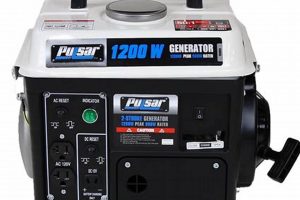
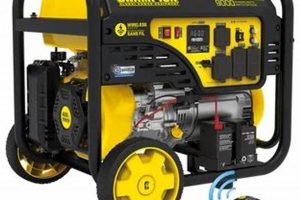
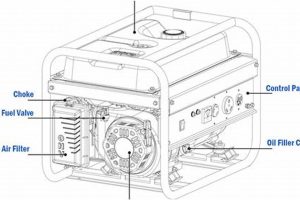
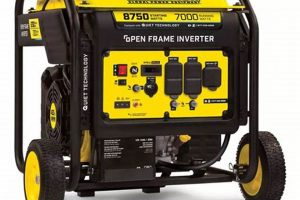
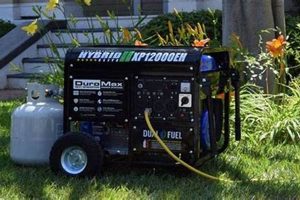
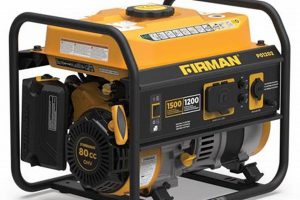
Compact internal combustion engine systems capable of generating electricity using gasoline as fuel offer a mobile power source for a variety of applications. These units range in size and power output, from small devices capable of powering a few essential appliances to larger systems designed for construction sites or providing backup power to homes during outages. A typical unit includes an engine, an alternator, a fuel tank, and various outlets for connecting electrical devices.
Access to electricity independent of a stationary power grid offers significant advantages in numerous situations. Emergency preparedness, remote work, and recreational activities all benefit from this technology. The development of more efficient and quieter engines has broadened their appeal and usability. Historically, these devices evolved from larger, industrial generators, gradually becoming smaller and more portable to meet the needs of a changing world.
This article will further explore the various types of these independent power sources, their common applications, key safety considerations, and maintenance best practices. It will also delve into the future of this technology and the ongoing development of more sustainable and efficient models.
Operating Tips for Gasoline-Fueled Portable Generators
Safe and efficient operation of independent power generation units requires careful attention to several key practices. Adherence to these guidelines will ensure optimal performance and prolong the lifespan of the equipment while mitigating potential hazards.
Tip 1: Proper Ventilation is Crucial: Never operate a unit indoors or in enclosed spaces. Exhaust fumes contain carbon monoxide, a colorless, odorless, and lethal gas. Ensure ample ventilation around the unit during operation.
Tip 2: Grounding for Safety: Proper grounding is essential to prevent electrical shock. Consult the owner’s manual for specific grounding instructions and ensure the unit is grounded according to local regulations and electrical codes.
Tip 3: Fuel Handling Precautions: Always refuel a cool engine. Gasoline spills pose a fire hazard. Store fuel in approved containers and away from ignition sources.
Tip 4: Regular Maintenance: Adhere to the manufacturer’s recommended maintenance schedule. This typically includes oil changes, air filter cleaning or replacement, and spark plug inspection.
Tip 5: Load Management: Avoid overloading the unit. Determine the power requirements of the devices to be connected and ensure they are within the generator’s rated capacity. Overloading can damage the unit and connected devices.
Tip 6: Dry Storage is Essential: When not in use, store the generator in a dry, well-ventilated area. Moisture can corrode components and lead to malfunctions.
Tip 7: Professional Inspection Recommended: Periodic professional inspections are advisable to ensure optimal performance and identify potential issues before they become major problems.
Following these guidelines ensures safe and efficient operation, extending the lifespan of the unit and protecting users and connected equipment. Proper operation and maintenance contribute significantly to reliable power generation when needed.
By understanding and implementing these tips, users can maximize the benefits of these versatile power sources while minimizing potential risks. This knowledge empowers users to safely and effectively utilize these devices for various applications.
1. Power Output

Power output represents a critical specification for portable generators, directly determining the range of applications and the number of devices it can power simultaneously. This output, typically measured in watts or kilowatts, dictates the generator’s capacity to handle electrical loads. Understanding power requirements is essential for matching a generator to specific needs. For instance, a small generator with an output of 1000 watts might suffice for powering essential lights and a small refrigerator during a power outage, while a construction site requiring power tools would necessitate a significantly higher output, potentially 5000 watts or more. Mismatches between power output and load can lead to generator overload, potentially damaging the generator and connected devices.
Several factors influence a generator’s power output. Engine size plays a direct role; larger engines generally produce higher outputs. The alternator’s efficiency also contributes to the overall power delivered. Furthermore, the fuel type and its combustion efficiency influence the power generated. Manufacturers provide detailed specifications outlining a generator’s starting watts (peak power for initial motor startup) and running watts (continuous power supply). Carefully considering these specifications and calculating the required wattage for intended applications ensures proper generator selection and prevents operational issues. For example, a circular saw might require a starting wattage of 2000 watts and a running wattage of 1500 watts. Attempting to operate this saw with a generator rated for a lower running wattage will lead to inadequate power supply and potential equipment damage.
Properly assessing power output is crucial for maximizing generator utility and preventing costly mistakes. Understanding the relationship between power output, device requirements, and generator capabilities ensures efficient and safe operation. This knowledge facilitates informed decisions about generator selection, preventing overloads and optimizing performance across diverse applications. Neglecting to accurately assess power needs can lead to inadequate power supply, equipment damage, and potential safety hazards.
2. Fuel Efficiency

Fuel efficiency represents a critical operational parameter for portable gas-powered generators, directly influencing running costs and operational duration. Higher fuel efficiency translates to lower fuel consumption for a given power output, reducing operational expenses and extending the runtime on a single tank of fuel. This factor becomes particularly significant during extended power outages or in remote locations where refueling may be challenging or costly. For instance, a generator consuming less fuel can provide essential power for a longer duration during an emergency, enhancing its practical value. Conversely, a less fuel-efficient generator will require more frequent refueling, increasing both cost and logistical challenges. This difference can be substantial, particularly in applications requiring continuous operation over extended periods.
Several factors influence a generator’s fuel efficiency. Engine design and technology play a significant role. Modern engines incorporating advanced combustion technologies tend to exhibit higher fuel efficiency compared to older models. Engine size also contributes; smaller engines generally consume less fuel, although they also provide lower power output. Operating conditions, such as load and ambient temperature, also affect fuel consumption. Running a generator at a lower load than its maximum capacity often results in improved fuel efficiency. Furthermore, regular maintenance, including clean air filters and properly gapped spark plugs, contributes to optimal fuel consumption. For example, a well-maintained generator operating at 75% load may exhibit significantly better fuel efficiency than a poorly maintained unit operating near its maximum capacity.
Understanding the factors influencing fuel efficiency empowers informed generator selection and operational practices. Choosing a generator with a higher efficiency rating can significantly reduce long-term operating costs and enhance practicality, especially in applications requiring extended operation. Adopting operational practices that promote fuel efficiency, such as managing load and adhering to maintenance schedules, further optimizes performance and minimizes environmental impact. This understanding translates to practical benefits, ensuring cost-effective operation and maximizing the utility of portable gas-powered generators across diverse applications.
3. Portability
Portability represents a defining characteristic of portable gas-powered generators, directly influencing their usability and suitability across various applications. The ease with which a generator can be transported and positioned significantly impacts its practical value. This characteristic encompasses factors such as weight, size, and the presence of features like wheels and handles. A lightweight, compact generator with integrated wheels allows easy movement by a single individual, enabling rapid deployment in emergency situations or convenient transport to remote locations. Conversely, a heavier, bulkier unit might require multiple people or specialized equipment for transport, limiting its practicality in certain scenarios. For instance, a compact, portable generator proves invaluable for camping trips, providing power for essential appliances, while a larger, less portable unit might be better suited for stationary backup power at a residential property.
The degree of portability influences the types of applications a generator can effectively serve. Highly portable units excel in scenarios requiring frequent relocation, such as outdoor events, construction sites, or emergency response. Their compact size and ease of transport facilitate quick deployment and efficient power delivery wherever needed. Less portable units, while offering potentially higher power outputs, are generally better suited for fixed locations or situations where mobility is less critical. Consider a mobile food vendor; a highly portable generator allows them to power their operations at various locations with ease, while a contractor working on a large construction project might opt for a less portable, higher-output generator to power multiple tools simultaneously at a fixed site. This distinction underscores the importance of considering portability in relation to specific application needs.
Understanding the portability characteristics of a generator enables informed selection and optimal utilization. Matching portability to the demands of the intended application ensures efficient operation and maximizes the generator’s practical value. A careful assessment of factors like weight, size, and maneuverability allows users to select a generator that aligns with their specific needs, whether it be powering a campsite, providing backup power during an outage, or supporting operations at a remote worksite. This understanding contributes to enhanced usability and effective power delivery across a wide range of scenarios, demonstrating the crucial role portability plays in the overall value and practicality of portable gas-powered generators.
4. Noise Levels

Noise levels represent a significant consideration when evaluating portable gas-powered generators, impacting both user experience and environmental compatibility. Excessive noise can disrupt activities, create neighborhood disturbances, and even pose health risks with prolonged exposure. Understanding the factors contributing to generator noise and available mitigation strategies is essential for responsible operation.
- Decibel Levels and Human Perception
Generator noise is typically measured in decibels (dB). A quiet generator might operate around 60 dB, comparable to normal conversation, while louder models can exceed 75 dB, similar to a vacuum cleaner. Prolonged exposure to noise levels above 70 dB can contribute to hearing damage, while levels above 85 dB are considered harmful. Understanding these levels allows for informed selection and implementation of appropriate hearing protection measures.
- Factors Influencing Noise Output
Several factors influence a generator’s noise output. Engine design, exhaust systems, and casing construction all play a role. Larger engines generally produce more noise than smaller ones. Generators equipped with mufflers and sound-dampening enclosures typically operate quieter than those without. Furthermore, operating conditions, such as load and engine speed, can influence noise levels. Higher loads often result in increased noise.
- Mitigation Strategies for Noise Reduction
Various strategies can mitigate generator noise. Locating the generator away from sensitive areas, such as residences or workspaces, can minimize disruption. Using sound-absorbing barriers or enclosures can further dampen noise propagation. Regular maintenance, such as ensuring proper muffler function, also contributes to minimizing noise pollution. Selecting a generator with a lower dB rating inherently reduces noise output.
- Regulations and Considerations
Many jurisdictions have noise ordinances restricting generator operation during certain hours or requiring noise levels to remain below specific thresholds. Adhering to these regulations is essential for responsible generator use. Furthermore, considering the impact of generator noise on neighbors and the surrounding environment promotes community harmony and responsible equipment operation.
Careful consideration of noise levels contributes to responsible generator selection and operation. Understanding the factors influencing noise output and implementing appropriate mitigation strategies ensures minimal disruption and compliance with environmental regulations. Prioritizing quieter operation enhances user experience, minimizes neighborhood impact, and promotes responsible generator use in various settings.
5. Safety Features
Safety features represent critical components of portable gas-powered generators, mitigating potential hazards associated with operation and ensuring user protection. These features work in concert to prevent accidents, protect connected equipment, and ensure safe functionality. Understanding their operation and importance is crucial for responsible generator use. A crucial safety feature is the automatic shutoff system activated by low oil levels. This mechanism prevents engine damage caused by insufficient lubrication, a common cause of generator failure. Without this safeguard, continued operation under low oil conditions could lead to catastrophic engine failure and potential fire hazards. Similarly, overload protection prevents damage to the generator and connected devices by automatically shutting down the unit when electrical demand exceeds its capacity. This feature protects sensitive electronics from power surges and prevents generator overheating, mitigating risks of fire and equipment damage. For instance, attempting to power a high-wattage appliance beyond the generator’s capacity could trigger the overload protection, preventing potential damage to both the appliance and the generator.
Several other safety features contribute to safe operation. Properly grounded units prevent electrical shocks by providing a path for fault currents to flow safely into the earth. This grounding system protects users from electrocution in the event of a short circuit or other electrical malfunction. Spark arrestors, often integrated into the exhaust system, prevent the escape of sparks, mitigating fire hazards, particularly in dry or flammable environments. Circuit breakers provide further protection against overloads and short circuits, interrupting the flow of electricity to prevent damage to connected devices and the generator itself. Furthermore, some generators incorporate carbon monoxide detectors that automatically shut down the unit if dangerous levels of carbon monoxide accumulate, preventing potentially fatal exposure. These safety features collectively create a robust safety net, minimizing risks associated with generator operation.
Careful consideration of safety features is paramount when selecting and operating a portable gas-powered generator. Understanding their function and importance empowers users to make informed decisions and prioritize safety. Regularly inspecting and maintaining these safety features ensures their continued effectiveness, mitigating potential hazards and promoting safe operation. Neglecting these features can lead to serious consequences, including equipment damage, fire hazards, and potential injury or death. Prioritizing safety enhances user protection, prolongs equipment lifespan, and ensures responsible generator use in various applications. This understanding underscores the critical role safety features play in promoting safe and reliable power generation.
Frequently Asked Questions
This section addresses common inquiries regarding the selection, operation, and maintenance of portable gas-powered generators. Clarity on these points promotes safe and effective use.
Question 1: How is the appropriate generator size determined for specific needs?
Generator size selection depends on the intended application. Calculate the total wattage required to run all devices simultaneously. Consult manufacturer specifications for generator running and starting wattage capacities. The generator’s running wattage must exceed the combined running wattage of the intended devices.
Question 2: What type of maintenance is required for optimal generator performance?
Regular maintenance is essential. Consult the owner’s manual for specific maintenance schedules. Typical maintenance includes regular oil changes, air filter cleaning or replacement, and spark plug inspection. Professional service is recommended for more complex maintenance tasks.
Question 3: What safety precautions are essential during generator operation?
Operate generators outdoors in well-ventilated areas to prevent carbon monoxide poisoning. Proper grounding is crucial to prevent electrical shock. Never refuel a hot generator. Store fuel in approved containers away from ignition sources.
Question 4: How long can a portable generator typically run on a full tank of fuel?
Runtime varies depending on generator size, fuel tank capacity, load, and engine efficiency. Consult the manufacturer’s specifications for estimated runtime under various load conditions. Typically, generators run for several hours on a single tank, with larger tanks providing longer runtimes.
Question 5: What are the key considerations for storing a portable generator?
Store generators in a dry, well-ventilated area. Drain the fuel tank or add fuel stabilizer before long-term storage to prevent fuel degradation. Protect the generator from the elements with a suitable cover. Consult the owner’s manual for specific storage instructions.
Question 6: What are the environmental implications of using a gasoline-powered generator?
Gasoline-powered generators produce exhaust emissions, including greenhouse gases. Modern generators incorporate technologies to reduce emissions, but environmental impact remains a consideration. Explore alternative fuel sources or inverter generators for more environmentally conscious options.
Understanding these frequently asked questions empowers informed decisions regarding generator selection, operation, and maintenance, contributing to safe and effective use. This knowledge ensures optimal performance, minimizes risks, and promotes responsible generator operation.
The subsequent section will delve into advanced topics related to generator technology and future developments in the field of portable power generation.
Conclusion
Portable gas-powered generators offer versatile solutions for various power needs, from emergency backup power to remote worksite electricity. Careful consideration of factors like power output, fuel efficiency, portability, noise levels, and safety features ensures appropriate selection for specific applications. Adherence to operational guidelines and regular maintenance practices maximizes generator lifespan and ensures safe, reliable performance. Understanding the environmental implications of generator use encourages responsible operation and exploration of alternative power solutions where applicable.
As technology evolves, advancements in generator design promise enhanced efficiency, reduced emissions, and quieter operation. Informed decision-making regarding generator selection and usage remains crucial for maximizing benefits while mitigating potential drawbacks. Portable gas-powered generators represent a valuable resource in diverse contexts, underscoring the importance of responsible use and ongoing technological advancement in the field of portable power generation.