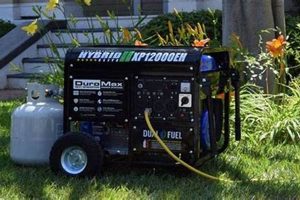
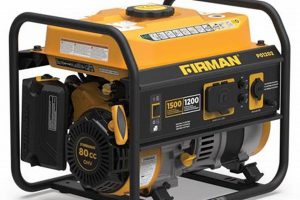
Connecting a portable generator designed for gasoline to a natural gas supply involves a conversion process. This typically requires a conversion kit specifically designed for the generator model, which includes a gas regulator and necessary fittings. The conversion alters the fuel delivery system to accommodate the different properties of natural gas compared to gasoline. A qualified technician should perform the conversion and subsequent testing to ensure safe and proper operation.
Utilizing natural gas offers several advantages. It eliminates the need for gasoline storage, reducing fire hazards and the risks associated with fuel degradation. Natural gas often provides a more cost-effective fuel source, particularly for extended operation. Furthermore, a readily available natural gas supply from a residential line ensures continuous power during outages without refueling concerns, unlike gasoline-powered generators. Historically, such conversions were less common due to the complexities of the process. However, with advancements in conversion kit technology and increased emphasis on fuel efficiency and preparedness, this practice has become more accessible and appealing.
Key considerations for this conversion include selecting the correct conversion kit, professional installation, and adherence to local safety codes and regulations. The following sections will delve into the specific steps involved in the conversion process, essential safety precautions, and the necessary regulatory considerations.
Tips for Natural Gas Generator Conversion
Converting a gasoline generator to natural gas requires careful planning and execution. The following tips provide essential guidance for a safe and successful conversion.
Tip 1: Consult a Qualified Technician: Natural gas conversions involve intricate procedures and potential safety hazards. Professional expertise ensures proper installation and minimizes risks.
Tip 2: Select the Correct Conversion Kit: Kits are model-specific. Using an incorrect kit can lead to performance issues and safety risks. Consult the generator’s documentation or contact the manufacturer to identify the appropriate kit.
Tip 3: Verify Local Codes and Regulations: Permits and inspections may be required. Contact local authorities to ensure compliance with all applicable regulations before commencing the conversion.
Tip 4: Conduct Thorough Testing After Conversion: Post-conversion testing verifies proper operation and identifies potential leaks or malfunctions. This includes testing under load to ensure adequate power delivery.
Tip 5: Implement Proper Ventilation: Generators produce exhaust gases, even when running on natural gas. Adequate ventilation is crucial to prevent carbon monoxide buildup, especially in enclosed spaces.
Tip 6: Regularly Inspect and Maintain the System: Periodic inspections and maintenance are essential for ensuring the system’s long-term reliability and safety. This includes checking for leaks, cleaning components, and replacing worn parts.
Tip 7: Understand Fuel Pressure Requirements: Natural gas pressure must be within the generator’s specified range. An incorrect pressure can damage the generator or compromise performance. The conversion kits regulator should be properly adjusted to deliver the correct pressure.
Adhering to these tips contributes significantly to a safe and effective natural gas generator conversion, providing a reliable power source during outages and reducing reliance on gasoline.
By following these guidelines, users can maximize the benefits of a natural gas conversion while minimizing potential risks, ensuring a safe and reliable power solution.
1. Professional Installation

Safe and efficient connection of a portable generator to a natural gas supply necessitates professional installation. This expertise ensures proper conversion, adherence to safety standards, and optimal generator performance. Attempting a conversion without professional assistance risks serious safety hazards and potential equipment damage.
- Code Compliance and Permitting:
Licensed professionals possess in-depth knowledge of local codes and regulations regarding natural gas installations. They handle necessary permits and inspections, ensuring the converted generator adheres to legal requirements, safeguarding against potential fines or operational issues. For instance, a professional installer will understand the specific venting requirements stipulated by local building codes.
- Leak Detection and Prevention:
Natural gas leaks pose significant safety risks. Professional installers conduct rigorous leak testing after completing the conversion, utilizing specialized equipment to detect even minute leaks. This meticulous approach minimizes the risk of fire or explosions, ensuring the safety of the installation. They also ensure proper connection of gas lines and fittings, preventing future leaks.
- Correct Equipment Sizing and Configuration:
Professionals accurately assess the generator’s requirements and configure the natural gas supply system accordingly. This includes selecting the correct piping diameter, regulator, and other components to ensure optimal fuel delivery and generator performance. An improperly sized regulator, for example, could lead to insufficient gas flow, hindering generator operation.
- Long-Term System Integrity:
Professional installation contributes to the long-term reliability and safety of the natural gas conversion. Correctly installed systems are less prone to leaks, malfunctions, and other issues that can compromise safety and performance over time. This reduces the likelihood of costly repairs and ensures consistent power delivery when needed. For example, a professional will use appropriate sealant on threaded connections to prevent leaks from developing over time.
These facets of professional installation underscore its critical role in safely and effectively connecting a portable generator to natural gas. Professional expertise not only mitigates immediate safety risks but also ensures the long-term reliability and performance of the generator, providing peace of mind and consistent power during outages.
2. Appropriate Conversion Kit

Connecting a portable generator to a natural gas supply requires more than just a connection to the gas line. A correctly chosen and installed conversion kit is paramount for safe and efficient operation. This kit bridges the gap between the generator’s original gasoline design and the characteristics of natural gas fuel.
- Model Specificity:
Conversion kits are designed for specific generator models. Each kit accounts for the engine’s specifications, including its size, fuel requirements, and airflow dynamics. Using an incorrect kit can lead to insufficient fuel delivery, poor performance, or even engine damage. For example, a kit designed for a smaller generator might not provide adequate gas flow for a larger engine, leading to power output limitations.
- Regulator and Piping Components:
A crucial component of the kit is the regulator, which reduces natural gas line pressure to the appropriate level for the generator. The kit also typically includes necessary piping, fittings, and adapters to connect the regulator to both the gas line and the generator’s fuel intake. These components must be correctly sized and installed to ensure safe and reliable operation. An improperly sized regulator could overpressure the generator, posing a significant safety hazard.
- Installation Instructions and Compatibility:
Comprehensive installation instructions, provided with the appropriate kit, guide the user (or ideally, a qualified technician) through the conversion process. These instructions ensure proper installation and highlight any specific requirements or precautions for the particular generator model. Furthermore, the kits components must be compatible with the generator’s existing fuel system. For instance, the included fittings must match the generator’s fuel inlet connection type and size.
- Quality and Certification:
Opting for a high-quality conversion kit from a reputable manufacturer ensures the components meet safety and performance standards. Look for certifications indicating compliance with relevant industry standards. A quality kit will utilize durable materials and precise manufacturing processes to ensure long-term reliability and prevent leaks or malfunctions. Using subpar components can compromise the entire system’s integrity and potentially create safety hazards.
Selecting the appropriate conversion kit is foundational to the entire process of connecting a portable generator to natural gas. The correct kit, combined with professional installation, ensures the generator operates safely and efficiently on natural gas, providing a reliable power source during outages without compromising the generator’s integrity or longevity.
3. Local Code Compliance

Local code compliance forms an integral part of safely and legally connecting a portable generator to a natural gas supply. Regulations vary by jurisdiction and address critical safety concerns, including gas line installation, ventilation requirements, and generator placement. Ignoring these codes can lead to significant safety hazards, potential fines, and invalidation of homeowner’s insurance in case of incidents. For instance, codes often dictate the minimum distance between a generator and a building’s air intakes to prevent exhaust fumes from entering the structure. Similarly, specific requirements for gas piping materials and connection methods exist to minimize leak risks. Failure to adhere to these stipulations could lead to a dangerous buildup of natural gas, potentially resulting in an explosion or fire.
Specific examples of local code requirements often include stipulations regarding the size and type of gas piping, the mandatory use of seismic shut-off valves in earthquake-prone areas, and the necessity of pressure testing the gas line after installation. Additionally, some jurisdictions require permits for natural gas conversions and mandate inspections by certified professionals before operation. These regulations are designed to protect both individuals and the community by ensuring installations meet established safety standards. A practical example of the importance of such codes can be seen in regulations concerning generator placement. Improper placement near flammable materials could lead to fires, while insufficient ventilation can cause a dangerous accumulation of carbon monoxide.
Understanding and adhering to local codes are not merely bureaucratic hurdles but crucial aspects of responsible generator installation. Compliance ensures safety, prevents legal repercussions, and maintains insurance validity. Failure to comply can jeopardize safety and result in significant financial penalties. Consulting with local authorities and qualified professionals is essential to navigate these requirements effectively and ensure a safe and legally compliant installation. Ultimately, adherence to local codes reinforces the broader goal of safe and reliable generator operation, protecting lives and property.
4. Thorough Testing

Thorough testing after converting a portable generator to natural gas is not merely a recommended practice, but a critical safety and performance imperative. Testing validates the conversion’s efficacy, identifies potential issues, and ensures reliable operation under various conditions. Neglecting this crucial step risks jeopardizing safety, compromising generator performance, and potentially causing damage to connected appliances.
- Leak Detection:
Leak testing stands as a primary concern. Even minor leaks can pose significant safety risks, potentially leading to fires or explosions. Testing involves pressurizing the gas lines and connections with an inert gas like nitrogen, then using a leak detector to identify any escaping gas. This meticulous process mitigates the risk of dangerous gas buildup and ensures the system’s integrity. A small, undetected leak, over time, can have catastrophic consequences.
- Performance Validation:
Beyond leak detection, comprehensive testing includes assessing the generator’s performance under various load conditions. This involves running the generator with different electrical loads, simulating real-world usage scenarios. This process confirms adequate fuel delivery, stable voltage and frequency output, and the generator’s ability to handle varying power demands. For example, testing might involve connecting appliances like refrigerators, air conditioners, and power tools to ensure the generator can supply sufficient power without overloading.
- Safety System Functionality:
Modern generators incorporate various safety systems, such as automatic shutoff features for low oil pressure or high temperatures. Testing verifies the functionality of these critical safety mechanisms. These systems act as safeguards, preventing damage to the generator and ensuring safe operation. Testing these features under simulated fault conditions confirms their responsiveness and effectiveness, mitigating potential risks. A non-functional automatic shutoff, for example, could lead to severe engine damage or even a fire.
- Component Inspection:
Thorough testing often involves a comprehensive inspection of all components related to the conversion, including the regulator, piping, fittings, and the generator’s fuel system. This visual inspection identifies any physical damage, loose connections, or signs of wear that might compromise safety or performance. Early detection of such issues prevents more significant problems down the line, ensuring the system’s longevity and reliability. For instance, a frayed gas line or a corroded fitting should be immediately replaced to prevent potential leaks or failures.
Thorough testing represents an essential final step in the natural gas conversion process, bridging the gap between installation and reliable operation. By rigorously validating the system’s integrity, performance, and safety features, thorough testing safeguards against potential hazards and ensures the converted generator provides dependable power when needed. It mitigates risks, enhances reliability, and ultimately justifies the investment in natural gas conversion.
5. Proper Ventilation
Proper ventilation is paramount when operating a portable generator, especially one converted to natural gas. While natural gas combustion produces fewer pollutants than gasoline, it still generates exhaust gases, most notably carbon monoxide (CO). CO is an odorless, colorless, and highly toxic gas. Insufficient ventilation can lead to dangerous CO accumulation, posing significant health risks, including death. The connection between proper ventilation and natural gas generator hookup lies in understanding that the conversion process does not eliminate the production of exhaust gases, therefore, safe operation hinges on appropriate ventilation measures regardless of the fuel source.
Practical application of this understanding necessitates locating the generator outdoors, far from windows, doors, and air intakes. Enclosed spaces, such as garages or sheds, even with open doors, do not provide sufficient ventilation for safe generator operation. Wind direction and airflow patterns must also be considered to prevent exhaust gases from entering occupied structures. Real-life examples abound, demonstrating the tragic consequences of inadequate ventilation. Cases of CO poisoning from improperly ventilated generators, resulting in severe health complications and fatalities, underscore the critical importance of this aspect. A seemingly minor oversight, such as placing a generator too close to a basement window, can have devastating consequences.
Key insights regarding ventilation include understanding CO’s inherent dangers, recognizing that natural gas combustion still produces exhaust, and implementing appropriate ventilation strategies. Challenges associated with proper ventilation include environmental factors like wind direction and the logistical constraints of generator placement. However, prioritizing safety by adhering to ventilation guidelines outweighs these challenges. Ultimately, proper ventilation is not merely a suggested practice, but a fundamental safety requirement for operating any portable generator, especially those connected to a natural gas supply. Its importance cannot be overstated, as it directly impacts the health and safety of individuals in the vicinity.
6. Regular Maintenance
Regular maintenance is essential for the safe and efficient long-term operation of a portable generator converted to natural gas. This ongoing care ensures reliable performance, mitigates potential safety hazards, and extends the generator’s lifespan. Neglecting routine maintenance can lead to performance degradation, increased risk of malfunctions, and potentially dangerous situations. The connection between regular maintenance and the natural gas conversion lies in the fact that while the conversion provides a convenient fuel source, it introduces specific components and considerations that require consistent attention to ensure optimal and safe functionality.
- Leak Inspection and Prevention:
Regular checks for leaks in the gas lines, connections, and fittings are crucial for preventing potentially hazardous gas buildup. This involves visual inspections for damage or wear, as well as periodic pressure testing. A small, undetected leak can escalate into a significant safety hazard over time. For instance, a loose fitting might initially cause a minor leak, but continuous vibration from the generator could worsen the leak, leading to a dangerous accumulation of gas.
- Air Filter Maintenance:
A clean air filter ensures proper airflow to the engine, promoting efficient combustion and optimal performance. Restricting airflow due to a dirty air filter can lead to reduced power output, increased fuel consumption, and potential engine damage. Regularly cleaning or replacing the air filter, as specified in the generator’s maintenance schedule, prevents these issues. In environments with high dust or pollen levels, more frequent air filter maintenance may be necessary.
- Spark Plug Inspection and Replacement:
Spark plugs ignite the air-fuel mixture in the engine. Worn or fouled spark plugs can cause misfires, reducing efficiency and potentially damaging the engine. Regular inspection and replacement of spark plugs, as recommended by the manufacturer, ensures reliable ignition and optimal performance. For instance, a worn spark plug can lead to incomplete combustion, resulting in increased fuel consumption and potentially harmful emissions.
- Oil Changes and Lubrication:
Regular oil changes are crucial for maintaining engine health and prolonging generator lifespan. Oil lubricates moving parts, reducing friction and wear. Over time, oil degrades and loses its lubricating properties, increasing the risk of engine damage. Adhering to the manufacturer’s recommended oil change intervals, using the correct oil type, and lubricating other moving parts as needed ensure smooth and reliable operation. Neglecting oil changes can lead to premature engine failure, significantly shortening the generator’s lifespan.
These facets of regular maintenance contribute directly to the safe, efficient, and reliable operation of a natural gas-converted generator. By proactively addressing these maintenance requirements, generator owners can maximize the benefits of their investment while minimizing potential risks. This diligent approach ensures the generator remains a dependable power source for years to come, providing peace of mind during outages and contributing to overall preparedness. Moreover, regular maintenance can help identify potential issues early on, preventing more significant problems and costly repairs down the line, further reinforcing the crucial link between maintenance and the successful long-term operation of a natural gas-converted generator.
Frequently Asked Questions
This section addresses common inquiries regarding the conversion of portable generators to natural gas, providing concise and informative responses to clarify key aspects of the process.
Question 1: Is converting a portable generator to natural gas a do-it-yourself project?
While some individuals possess the technical skills, natural gas conversions involve inherent safety risks and require specialized knowledge. Professional installation is strongly recommended to ensure safety, code compliance, and proper functionality. Incorrect installation can lead to gas leaks, posing significant safety hazards.
Question 2: What are the primary advantages of using natural gas instead of gasoline?
Natural gas offers several advantages: eliminating gasoline storage needs, reducing fuel-related fire hazards, providing a readily available fuel source during power outages, and often offering lower operating costs compared to gasoline. Additionally, natural gas burns cleaner, producing fewer emissions.
Question 3: How does one determine the correct conversion kit for a specific generator model?
Consulting the generator’s documentation or contacting the manufacturer directly is crucial for identifying the appropriate conversion kit. Using an incorrect kit can compromise performance and safety. Reputable suppliers can also assist in selecting the correct kit based on the generator’s specifications.
Question 4: What safety precautions are essential during and after the conversion process?
Essential safety precautions include ensuring proper ventilation during operation to prevent carbon monoxide buildup, conducting thorough leak testing after installation, and adhering to all local codes and regulations. Regular maintenance, including inspections for leaks and proper component function, is also crucial for ongoing safety.
Question 5: What permits or inspections might be required for a natural gas conversion?
Permitting and inspection requirements vary by jurisdiction. Contacting local authorities or qualified professionals is essential to determine specific local regulations and ensure compliance. Failure to obtain necessary permits or pass required inspections can result in fines and operational restrictions.
Question 6: How does natural gas conversion impact generator maintenance requirements?
While general generator maintenance principles remain consistent, natural gas conversion introduces specific components, such as the regulator and gas lines, that require regular inspection and maintenance. This includes checking for leaks, ensuring proper gas pressure, and cleaning or replacing components as needed. Professional assistance may be required for specific maintenance tasks.
Careful consideration of these frequently asked questions provides a deeper understanding of the complexities and requirements associated with converting a portable generator to natural gas. Prioritizing safety, professional guidance, and adherence to regulations ensures a successful and beneficial conversion process.
For further information and specific guidance, consult qualified professionals and local authorities. Their expertise ensures a safe, compliant, and efficient conversion process.
Conclusion
Connecting a portable generator to a natural gas supply offers significant advantages, including fuel convenience, cost savings, and enhanced preparedness. However, realizing these benefits requires careful consideration of several crucial factors. Professional installation is paramount for ensuring safety, code compliance, and proper system functionality. Selecting the appropriate conversion kit, specifically designed for the generator model, is essential for compatibility and performance. Adherence to local codes and regulations ensures legal operation and mitigates potential safety risks. Thorough testing after conversion validates system integrity and performance under various load conditions. Proper ventilation is crucial for preventing carbon monoxide buildup, a critical safety concern. Finally, regular maintenance ensures long-term reliability and safe operation. Each of these elements contributes significantly to a successful and beneficial conversion process.
Careful planning and execution are essential for safely and effectively connecting a portable generator to natural gas. Prioritizing professional guidance, adhering to safety regulations, and understanding the technical intricacies of the conversion process ensure a reliable and dependable power source during outages. This proactive approach not only enhances preparedness but also contributes to long-term energy security and peace of mind.