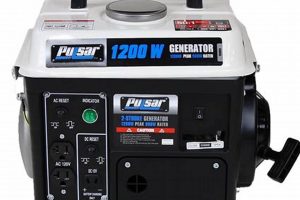
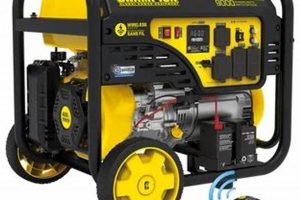
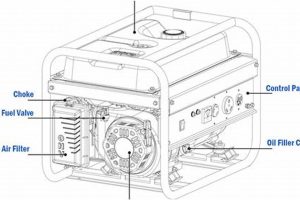
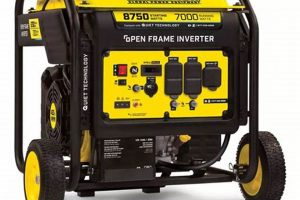
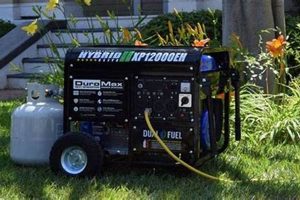
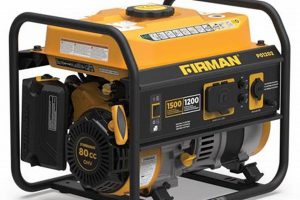
Connecting a portable generator to a residential natural gas supply offers a continuous fuel source, eliminating the need for frequent gasoline refills. This involves installing a dedicated fuel line from the home’s gas meter to a connection point compatible with the generator. A transfer switch is also typically required to safely isolate the generator’s power from the utility grid, preventing backfeeding that could endanger utility workers.
A permanent natural gas connection provides enhanced resilience during power outages. Unlike gasoline, which can deteriorate over time or become scarce in emergencies, natural gas remains readily available through the existing utility infrastructure. This consistent fuel supply enables extended operation of critical household systems, including heating, cooling, and refrigeration, for greater comfort and safety. This approach often proves more cost-effective in the long run compared to gasoline, particularly during extended outages.
This process requires careful planning and execution, typically involving several key steps: assessing generator compatibility and load requirements, obtaining necessary permits and professional assistance, selecting appropriate piping and fittings, installing a dedicated shutoff valve, and rigorous testing for leaks and proper operation. The following sections will detail each of these crucial aspects for safe and effective connection to a residential natural gas system.
Tips for Natural Gas Generator Connection
Safe and reliable generator operation requires careful attention to detail throughout the installation process. These tips provide crucial guidance for connecting a portable generator to a residential natural gas system.
Tip 1: Professional Consultation is Essential: Natural gas installations require specialized knowledge and adherence to local codes. Consulting a qualified plumber or HVAC technician is paramount for ensuring proper installation and compliance with safety regulations.
Tip 2: Generator Compatibility: Verify the generator’s specifications to ensure compatibility with natural gas and determine the required BTU/hr rating for the intended load. This information is crucial for selecting appropriate piping and fittings.
Tip 3: Permitting and Inspections: Contact the local permitting authority to obtain necessary permits and schedule inspections. This ensures compliance with building codes and promotes safety.
Tip 4: Proper Piping and Fittings: Utilize approved piping and fittings specifically designed for natural gas. Avoid using materials not rated for this purpose, as they can present significant safety hazards.
Tip 5: Dedicated Shutoff Valve: Install a dedicated shutoff valve easily accessible from the generator location. This provides a rapid means of isolating the gas supply in emergencies.
Tip 6: Leak Testing: Conduct thorough leak testing using soapy water or a specialized gas leak detector after completing the installation. This crucial step ensures the integrity of the system and prevents dangerous gas leaks.
Tip 7: Transfer Switch Installation: A properly installed transfer switch is essential for preventing backfeeding into the utility grid. This safeguards utility workers and prevents damage to the generator and home electrical systems.
Tip 8: Periodic Maintenance: Regular inspection and maintenance of the gas line, connections, and generator are critical for ensuring continued safe and reliable operation.
Adhering to these guidelines significantly enhances the safety and effectiveness of a natural gas-powered generator installation. Careful planning and professional execution are vital for maximizing the benefits of this reliable backup power solution.
By following these tips, homeowners can ensure a secure and efficient natural gas supply for their portable generators, providing peace of mind during power outages.
1. Professional Consultation
Connecting a portable generator to a natural gas line requires specialized knowledge and expertise. Professional consultation is not merely recommended; it is essential for ensuring a safe, code-compliant, and efficient installation. Engaging qualified professionals mitigates potential risks and ensures long-term reliability.
- Safety Code Compliance
Licensed professionals possess in-depth knowledge of local building codes, gas piping regulations, and safety standards. They ensure the installation adheres to all applicable requirements, minimizing hazards and ensuring the safety of occupants and utility workers. For instance, professionals understand proper venting requirements to prevent dangerous gas buildup. They also know how to correctly size piping to ensure adequate gas flow and prevent pressure fluctuations that could damage the generator.
- System Design and Sizing
Determining the correct pipe size, BTU requirements, and appropriate placement of shutoff valves requires technical expertise. Professionals accurately assess the generator’s needs and design a system that delivers the correct gas flow and pressure. An incorrectly sized pipe could restrict gas flow, leading to insufficient generator output. Professionals perform calculations based on load requirements and distance from the gas meter.
- Leak Detection and Prevention
Gas leaks pose a significant safety risk. Professionals conduct rigorous leak testing using specialized equipment and techniques to ensure the integrity of the gas line and connections. This minimizes the risk of explosions or exposure to harmful gases. They also understand the importance of proper sealant application and connection tightening procedures to prevent future leaks. For example, they might use a manometer to test for pressure drops indicating a leak.
- Equipment Selection and Installation
Choosing the correct piping material, fittings, and other components is crucial for long-term reliability and safety. Professionals select materials rated for natural gas use and install them according to industry best practices. Using incorrect materials, such as piping not rated for underground use, can lead to corrosion and leaks. Professionals ensure the chosen materials comply with local codes and environmental considerations.
Ultimately, professional consultation safeguards against potential hazards and ensures the generator installation adheres to all safety and performance standards. This investment in expertise provides long-term peace of mind and reliable generator operation during power outages.
2. Permitting and Codes
Permitting and adherence to relevant codes represent critical aspects of connecting a portable generator to a residential natural gas supply. These processes ensure installations meet stringent safety standards designed to protect homeowners, utility workers, and the community. Ignoring these requirements can lead to hazardous conditions, potential fines, and difficulties with insurance claims in case of accidents.
Building codes and regulations dictate specific requirements for gas piping materials, installation methods, and safety devices. These codes address critical safety concerns, such as gas leak prevention, proper ventilation, and secure connections. For example, codes typically mandate the use of specific types of pipe rated for underground burial and natural gas conveyance. Additionally, they stipulate the inclusion of shutoff valves accessible from both the house and the generator location. Obtaining the necessary permits triggers inspections by qualified officials, ensuring compliance with these vital safety measures.
Failure to obtain permits and adhere to codes can have serious consequences. Improperly installed gas lines may develop leaks, leading to gas accumulation and the risk of explosions or asphyxiation. Incorrectly sized piping can cause pressure fluctuations, affecting generator performance or even damaging the appliance. Furthermore, non-compliant installations can void homeowner’s insurance coverage, leaving property owners financially liable for damages resulting from gas-related incidents. Therefore, engaging qualified professionals and obtaining necessary permits is crucial for ensuring a safe and code-compliant installation, protecting both lives and property.
3. Appropriate Piping

Appropriate piping is paramount for safe and efficient operation when connecting a portable generator to a natural gas supply. Selecting the correct piping materials, diameter, and fittings ensures consistent fuel delivery, prevents leaks, and maintains system integrity. Using incorrect piping can lead to hazardous conditions, reduced generator performance, and potential damage to the appliance.
- Material Selection
Piping material must be compatible with natural gas and rated for the intended application. Black iron pipe is commonly used for its strength and durability, particularly for underground sections. Corrugated stainless steel tubing (CSST) offers flexibility and ease of installation but requires specific connectors and grounding procedures. Using unapproved materials like PVC or copper can lead to leaks, corrosion, or even explosions due to gas incompatibility. For example, galvanized pipe, though suitable for water, is unsuitable for natural gas due to its potential reaction with gas components, leading to blockages and leaks.
- Diameter and Length
Pipe diameter is crucial for maintaining adequate gas flow to the generator. Insufficient diameter restricts flow, leading to reduced generator output or even stalling. Calculations based on generator BTU requirements, pipe length, and pressure drop determine the necessary diameter. Overly long pipe runs may also necessitate larger diameters to compensate for pressure losses. For instance, a generator requiring 200,000 BTU/hr might necessitate a 1-inch diameter pipe for a 20-foot run, but a 1.25-inch diameter pipe for a 50-foot run to maintain adequate pressure.
- Fittings and Connections
Proper fittings and connections ensure a leak-free system. Elbows, tees, and couplings must be compatible with the chosen pipe material and rated for natural gas. Threaded connections should be sealed with pipe dope or Teflon tape specifically designed for gas applications. Using incorrect fittings or improper sealing techniques can introduce leak points, creating safety hazards. For example, using brass fittings with CSST without proper dielectric unions can lead to corrosion and leaks due to galvanic reaction between dissimilar metals.
- Placement and Support
Proper pipe placement and support prevent stress on the system, minimizing the risk of leaks and damage. Underground piping should be buried at a sufficient depth to protect it from freezing and physical damage. Above-ground piping requires adequate support brackets to prevent sagging and stress on connections. For example, unsupported pipe spans can vibrate during generator operation, potentially loosening connections and causing leaks. Sharp bends should be avoided, as they can restrict gas flow and create stress points.
Careful consideration of these aspects ensures a reliable and safe natural gas supply to the portable generator. Selecting appropriate piping contributes significantly to the overall effectiveness and longevity of the installation, ensuring reliable backup power during outages.
4. Safe Connections

Safe connections are paramount in natural gas line installations for portable generators, directly impacting the system’s integrity and user safety. These connections represent critical junctures where potential hazards, such as gas leaks and explosions, can arise if not executed meticulously. The process necessitates employing appropriate materials and techniques to ensure a robust and leak-free seal throughout the system. For example, using Teflon tape rated for natural gas on threaded connections ensures a proper seal, preventing leaks. Conversely, using an inappropriate sealant, such as plumber’s putty intended for water lines, can degrade and cause gas leaks, creating a dangerous situation. Similarly, overtightening connections can damage fittings and create vulnerabilities, while under-tightening results in inadequate seals.
Several factors contribute to safe connections. Properly tightened fittings, employing appropriate wrenches and torque specifications, ensure secure seals without damaging components. Using dielectric unions where dissimilar metals join, such as connecting copper to galvanized steel, prevents corrosion and subsequent leaks caused by galvanic action. Additionally, selecting fittings rated for natural gas service ensures compatibility with the fuel and operating pressure. Consider a scenario where a flexible gas connector is used to connect the generator to the gas line. Using a connector not rated for outdoor use can lead to premature deterioration and leaks due to exposure to the elements. Conversely, using a properly rated connector ensures durability and long-term reliability, minimizing safety risks.
Safe connections form the foundation of a reliable and hazard-free natural gas generator installation. Negligence in this area can have severe consequences, ranging from minor leaks to catastrophic explosions. Therefore, adhering to proper techniques, using approved materials, and conducting rigorous testing are essential for ensuring the safety and integrity of the entire system. Regular inspection and maintenance of these connections are crucial for preventing potential issues and ensuring continued safe operation. Understanding the importance of safe connections and implementing best practices provides long-term security and mitigates risks associated with natural gas-powered generators.
5. Thorough Testing
Thorough testing represents a critical final step in the process of connecting a portable generator to a natural gas line. This crucial procedure verifies the integrity of the entire system, confirming the absence of leaks and ensuring safe operation. Neglecting this step can have severe consequences, ranging from minor gas leaks to potentially catastrophic explosions. Testing involves pressurizing the gas line and checking for pressure drops indicating leaks. For example, a homeowner completing a natural gas line installation might pressurize the system and use a soapy water solution to check for bubbles at every connection point. This simple yet effective method can identify even minute leaks that might otherwise go undetected. Another testing method utilizes electronic gas detectors, which are highly sensitive to even trace amounts of natural gas, providing a more sophisticated approach to leak detection. Consider a scenario where a small leak exists at a fitting beneath the house. Without proper testing, this leak could go unnoticed, potentially leading to a dangerous accumulation of gas within the confined space. Thorough testing would identify this leak, allowing for prompt remediation before a hazardous situation develops.
Several methods contribute to comprehensive testing. Soap bubble tests, mentioned previously, offer a readily available and visually apparent method for pinpointing leak locations. Manometer testing measures pressure within the line over an extended period, identifying subtle leaks that might not be readily apparent with a soap bubble test. Electronic gas detectors provide highly sensitive detection capabilities, particularly useful in enclosed spaces or for detecting leaks in inaccessible areas. These various testing methods complement each other, offering a multi-layered approach to ensuring system integrity. Professional installers often utilize a combination of these methods to guarantee the absence of leaks. For instance, after completing an installation, a professional might pressurize the line, perform a soap bubble test at all connections, and then utilize an electronic gas detector to scan the entire area surrounding the installation for any residual gas, ensuring complete peace of mind.
Thorough testing provides crucial assurance of a safe and functional natural gas generator installation. It represents a non-negotiable final step that protects homeowners and their property from potential hazards associated with gas leaks. Utilizing appropriate testing methods and adhering to established safety protocols ensures reliable generator operation during power outages while minimizing risks. Regular inspections and periodic testing, even after initial installation, are recommended to maintain long-term system integrity and ensure continued safe operation. This proactive approach safeguards against potential issues arising from ground settling, component degradation, or accidental damage to the gas line, reinforcing the importance of prioritizing safety and meticulous attention to detail throughout the lifespan of the installation.
Frequently Asked Questions
This section addresses common inquiries regarding connecting portable generators to residential natural gas systems. Clear and accurate information is crucial for ensuring safe and effective installations.
Question 1: Is professional assistance required for connecting a generator to natural gas?
Professional assistance from a qualified plumber or HVAC technician is highly recommended. Natural gas installations involve inherent risks, and professional expertise ensures compliance with safety regulations and local codes. Improper installation can lead to dangerous gas leaks and other hazards.
Question 2: What type of piping is suitable for a natural gas generator connection?
Approved piping materials, such as black iron pipe or corrugated stainless steel tubing (CSST), are essential. The chosen material must be rated for natural gas and compatible with the generator’s requirements. Using incorrect piping materials can lead to leaks, corrosion, or system failure.
Question 3: Are permits required for connecting a generator to natural gas?
Permits are typically required and vary by jurisdiction. Contacting the local permitting authority is essential to determine specific requirements and ensure compliance with local building codes and safety regulations. Failure to obtain necessary permits can result in fines or legal complications.
Question 4: What safety precautions are necessary when working with natural gas?
Safety precautions include shutting off the gas supply before commencing any work, ensuring adequate ventilation, and using specialized tools designed for gas connections. Testing for leaks with soapy water or a gas detector after installation is crucial. Never attempt to work on a gas line without proper training and equipment.
Question 5: How is the generator connected to the home’s electrical system?
A transfer switch is essential for safely connecting the generator to the home’s electrical system. This device isolates the generator’s power from the utility grid, preventing backfeeding that could endanger utility workers. Professional installation of a transfer switch is strongly recommended.
Question 6: What maintenance is required for a natural gas generator connection?
Periodic inspection of the gas line, connections, and generator is recommended to ensure continued safe and efficient operation. Regularly checking for leaks and ensuring proper ventilation around the generator are vital maintenance tasks. Professional inspection and servicing are advisable.
Ensuring safety and code compliance are paramount when connecting a generator to a natural gas supply. Professional guidance and adherence to established procedures are crucial for minimizing risks and guaranteeing a reliable backup power solution.
The subsequent section will delve into specific installation steps, providing a comprehensive guide to the process.
Conclusion
Connecting a portable generator to a natural gas supply offers substantial benefits for reliable backup power. Safe and efficient operation hinges on meticulous adherence to established procedures and safety regulations. Professional consultation is paramount, ensuring compliance with local codes and mitigating potential hazards associated with natural gas installations. Proper pipe selection, secure connections, and thorough leak testing are non-negotiable components of a safe and functional system. Integrating a properly installed transfer switch safeguards both the home’s electrical system and the utility grid from backfeeding. Regular inspection and maintenance contribute to the longevity and reliability of the installation.
Residential power resilience relies increasingly on robust backup solutions. Careful planning and execution of natural gas generator connections ensure a consistent fuel supply during outages, enhancing safety and comfort. Prioritizing safety, adhering to best practices, and engaging qualified professionals contribute significantly to the long-term success and dependability of these critical power systems. Investment in a properly installed natural gas generator connection provides not only reliable backup power but also peace of mind during unforeseen disruptions.