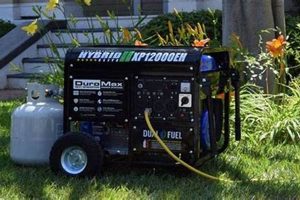
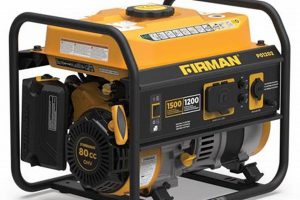
Portable generators designed for propane typically require modification to operate on natural gas. While both fuels are gases, their chemical composition and pressure requirements differ. Propane generators utilize a higher pressure regulator and specifically sized jets within the carburetor to manage the denser propane fuel. Attempting to use natural gas without these modifications will likely result in insufficient fuel delivery and poor generator performance or failure to start.
Adapting a propane-powered generator to utilize natural gas offers potential advantages, particularly for users with readily available natural gas lines at their property. This conversion can eliminate the need for propane tank refills or exchanges, providing a more convenient and potentially cost-effective fuel source. However, the modification process requires technical expertise and adherence to safety regulations. Improper conversion can pose significant risks, including gas leaks and fire hazards.
This discussion will further explore the technical aspects of converting a propane generator to natural gas, including the necessary components, safety precautions, and regulatory considerations. It will also delve into the economic and environmental implications of such a conversion, providing a comprehensive understanding of the process and its potential benefits and drawbacks.
Tips for Natural Gas Conversion of Propane Generators
Converting a propane generator to natural gas requires careful consideration and technical expertise. The following tips offer guidance for a safe and effective conversion process.
Tip 1: Consult a Qualified Technician: Generator conversions involve intricate adjustments to fuel systems and should be handled by qualified professionals. Incorrect modifications can lead to hazardous conditions.
Tip 2: Obtain Necessary Permits: Local regulations may require permits for gas appliance modifications. Ensure compliance with all applicable codes and regulations before undertaking any conversion.
Tip 3: Use Appropriate Conversion Kits: Utilize conversion kits specifically designed for the generator model. These kits typically include the correct regulator, jets, and other necessary components.
Tip 4: Verify Proper Gas Pressure: Natural gas supply pressure must be compatible with the converted generator’s requirements. Incorrect pressure can lead to performance issues or safety hazards.
Tip 5: Test for Leaks: After conversion, thoroughly test all gas connections for leaks using soapy water. Never use an open flame to check for leaks.
Tip 6: Maintain Proper Ventilation: Ensure adequate ventilation around the generator during operation to prevent the buildup of carbon monoxide.
Tip 7: Consider Professional Inspection: After completing the conversion, consider having a qualified technician inspect the installation to ensure proper function and safety.
Adhering to these guidelines will help ensure a safe and successful conversion, allowing for reliable generator operation using natural gas.
This information provides a starting point for understanding the complexities of generator conversion. Further research and consultation with professionals are essential before undertaking this process.
1. Fuel Type Compatibility

Fuel type compatibility plays a crucial role in determining whether a propane portable generator can operate on natural gas. These fuels, while both gaseous, possess distinct chemical compositions and combustion characteristics. Propane (C3H8) has a higher energy density than natural gas, which is primarily composed of methane (CH4). This difference directly impacts the air-to-fuel ratio required for optimal combustion. A propane generator’s carburetor and regulator are calibrated for the specific properties of propane. Introducing natural gas without modification results in an incorrect air-to-fuel mixture, leading to inefficient combustion, reduced power output, and potential engine damage. For example, a generator designed for propane will receive insufficient methane if supplied with natural gas at standard pressure, resulting in a lean mixture and potential overheating.
The incompatibility stems from the different burning rates and energy content of the two fuels. Natural gas requires a larger volume compared to propane to produce the same amount of energy. Consequently, using natural gas in a propane-configured generator necessitates modifications to the fuel delivery system. This typically involves replacing the regulator and jets within the carburetor with components designed for natural gas. The regulator controls the gas pressure delivered to the engine, while the jets meter the appropriate amount of fuel into the air stream. Failure to adjust these components can lead to a rich or lean mixture, negatively impacting performance and potentially causing damage. In practical terms, this means that simply connecting a natural gas line to a propane generator will not work reliably or safely.
Understanding fuel type compatibility is paramount for safe and efficient generator operation. Attempting to bypass these inherent fuel differences can lead to hazardous situations, including engine damage and potential gas leaks. Successful conversion requires careful consideration of the technical specifications of both the generator and the fuel source, underscoring the importance of professional consultation and adherence to safety guidelines. Ultimately, recognizing the distinct properties of each fuel type is essential for making informed decisions regarding generator usage and ensuring reliable power generation.
2. Conversion Necessity

Operating a propane-designed portable generator on natural gas requires conversion due to inherent differences in fuel properties and appliance configurations. This conversion addresses the incompatibility between the generator’s components and the characteristics of natural gas, ensuring safe and efficient operation.
- Regulator Adjustment
Propane generators utilize regulators designed for higher pressure than typically available from a natural gas supply line. Conversion necessitates either adjusting the existing regulator or installing a natural gas-specific regulator to ensure appropriate fuel delivery pressure to the engine. For example, a typical propane regulator might operate at 11 inches of water column, while a natural gas regulator might operate at 4 inches of water column. Failure to adjust the regulator will lead to insufficient fuel supply and poor generator performance.
- Orifice (Jet) Sizing
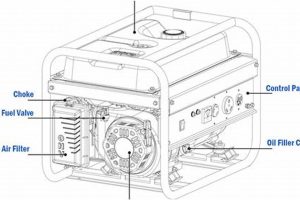
The orifices, or jets, within the carburetor control fuel flow. Propane requires smaller jets due to its higher energy density. Conversion necessitates larger jets to accommodate the lower energy density of natural gas and ensure the correct air-fuel mixture. Using propane jets with natural gas would result in a lean mixture, causing overheating and potential engine damage. Conversely, using natural gas jets with propane would result in a rich mixture, leading to incomplete combustion and excessive carbon monoxide production.
- Combustion Air Intake
While often less critical than regulator and jet adjustments, differences in the combustion properties of propane and natural gas may necessitate minor adjustments to the air intake system. This ensures optimal combustion efficiency and minimizes emissions. In some cases, the air shutter may need slight adjustment to achieve the ideal air-fuel ratio for natural gas.
- Safety Considerations
Conversion requires careful attention to safety regulations and procedures. Improper conversion can create significant hazards, including gas leaks and fire risks. Using inappropriate components or failing to properly seal connections can lead to dangerous gas leaks. Furthermore, incorrect air-fuel mixtures can produce excessive carbon monoxide, posing a serious health risk. Consequently, professional assistance is often recommended to ensure safe and compliant conversion.
These conversion requirements underscore the importance of professional consultation and adherence to safety guidelines when considering operating a propane generator on natural gas. Attempting to use natural gas without proper conversion can lead to performance issues, engine damage, and potentially hazardous situations. Understanding the specific adjustments needed for each component ensures safe and efficient operation with the desired fuel source.
3. Technical Expertise
Converting a propane portable generator to operate on natural gas necessitates technical expertise. This expertise encompasses a thorough understanding of fuel systems, engine mechanics, and safety regulations. Simply connecting a natural gas line to a propane-designed generator will not suffice and can create dangerous situations. Technical competence ensures proper modification of key components, including the regulator, carburetor jets, and ventilation system. Incorrectly adjusting these elements can result in hazardous fuel leaks, inefficient combustion, and potentially catastrophic engine damage. For instance, an improperly sized orifice (jet) can lead to a lean air-fuel mixture, causing the engine to overheat and potentially seize.
The practical significance of technical expertise lies in mitigating risks and ensuring safe and efficient operation. A qualified technician possesses the knowledge to assess the specific generator model, determine the correct conversion components, and perform the necessary adjustments accurately. This includes understanding the appropriate gas pressure for natural gas operation, which differs significantly from propane. For example, a technician would know to install a pressure regulator specifically designed for natural gas applications, ensuring the generator receives fuel at the correct pressure. They would also possess the skills to test for leaks using appropriate methods like soapy water, rather than a risky open flame. Moreover, a qualified technician understands the local codes and permitting requirements, ensuring the converted generator complies with safety standards.
In conclusion, technical expertise is not merely a recommended component but a crucial requirement for converting a propane generator to natural gas. It forms the foundation of a safe and functional conversion, minimizing risks associated with fuel incompatibility and ensuring long-term operational efficiency. Ignoring this critical aspect can lead to hazardous conditions and jeopardize both the equipment and the individuals operating it. The proper application of technical knowledge ultimately determines the success and safety of the conversion process.
4. Safety Regulations
Safety regulations are paramount when considering converting a propane portable generator to operate on natural gas. This conversion process involves modifying fuel lines and engine components, creating potential hazards if not executed correctly. Regulations exist to mitigate these risks, ensuring the safety of both the operator and the surrounding environment. These regulations address aspects such as proper ventilation, leak testing procedures, and the use of certified conversion components. For example, local building codes often mandate specific clearances around the generator to ensure adequate ventilation and prevent the accumulation of dangerous exhaust gases. Ignoring such regulations could lead to carbon monoxide poisoning or create a fire hazard.
Real-life examples illustrate the critical importance of adherence to safety regulations. Improperly sealed gas connections can result in leaks, leading to explosions or fires. Similarly, using incorrect components, such as a regulator not designed for natural gas, can lead to over-pressurization and equipment failure. A documented case involved a homeowner who attempted a conversion without professional assistance, resulting in a gas leak that ignited, causing significant property damage. This underscores the need for strict adherence to established safety protocols, including obtaining necessary permits and inspections.
The practical significance of understanding safety regulations cannot be overstated. Compliance protects lives and property by minimizing the risks inherent in fuel conversions. It also ensures the long-term reliable operation of the generator. Adhering to regulations often involves using certified conversion kits and having the installation inspected by a qualified technician. These measures contribute to a secure and efficient conversion process, reducing the likelihood of accidents and promoting responsible generator use. Ultimately, integrating safety regulations into every step of the conversion process is crucial for a safe and successful outcome.
5. Cost Considerations
Cost considerations play a significant role in determining the feasibility of converting a propane portable generator to natural gas. Several factors contribute to the overall expense, influencing the financial viability of the conversion. These factors include the initial cost of the conversion kit, professional installation fees, potential permit expenses, and ongoing operational costs. Conversion kits typically include a natural gas regulator, appropriately sized orifices (jets), and necessary fittings. Prices for these kits vary depending on the generator model and the complexity of the conversion. Professional installation is often recommended due to the technical nature of the process and safety considerations, adding to the overall expense.
The long-term operational cost comparison between propane and natural gas is a crucial element of the cost analysis. While natural gas is often less expensive per unit of energy than propane, the initial conversion costs must be factored into the equation. For example, if a homeowner uses their generator infrequently, the cost savings from using natural gas might not offset the initial investment in the conversion. Conversely, for frequent users or those in areas with significantly higher propane prices, the conversion may offer substantial long-term savings. Real-life examples illustrate this: a homeowner in a rural area with limited natural gas access might find propane a more cost-effective option despite its higher per-unit cost, while a homeowner in a suburban area with readily available natural gas might realize significant savings over time after converting their generator. Additionally, future fluctuations in fuel prices can impact the long-term cost-effectiveness of the conversion.
Understanding the various cost components associated with converting a propane generator to natural gas allows for informed decision-making. A comprehensive cost analysis should consider both the initial investment and the projected long-term operational expenses. This analysis enables individuals to evaluate the financial viability of the conversion based on their specific circumstances, including fuel consumption patterns and local fuel prices. Without a thorough understanding of these cost considerations, one risks undertaking a conversion that may not offer the anticipated financial benefits or, worse, results in an unsafe operating environment due to improper cost-cutting measures.
6. Performance Impacts

Converting a propane portable generator to operate on natural gas can influence its performance. Natural gas possesses a lower energy density compared to propane. This inherent difference necessitates careful recalibration of the generator’s fuel system to maintain optimal performance. Insufficient adjustments may lead to reduced power output, impacting the generator’s ability to handle the intended electrical load. For instance, a generator initially capable of powering a refrigerator and several lights might struggle to maintain consistent power to both after an improper conversion. This reduction in power output stems from the lower BTU content of natural gas, requiring a higher volume of fuel to produce the same energy as propane. The air-fuel mixture becomes crucial; a lean mixture (too much air, not enough fuel) results in reduced power and potential overheating, while a rich mixture (too much fuel, not enough air) leads to incomplete combustion, decreased efficiency, and potential engine fouling.
The practical significance of these performance impacts centers on ensuring the generator can effectively meet the required power demands. Consider a contractor utilizing a generator to power tools on a construction site. A reduction in power output could hinder the operation of power saws or welders, impacting productivity. Similarly, during a power outage, a converted generator with diminished capacity might not adequately power essential household appliances. A real-world example could involve a homeowner who converts their generator without proper adjustments. During a power outage, the generator might fail to power their sump pump, leading to basement flooding. Therefore, understanding the potential performance impacts is crucial for selecting appropriate generator sizing and ensuring reliable operation after conversion.
In summary, converting a propane portable generator to natural gas requires careful consideration of potential performance impacts. Adequate adjustments to the fuel system are essential to maintain power output and prevent operational issues. Neglecting these adjustments can result in decreased performance, hindering the generator’s ability to reliably power the intended load. Understanding these potential implications is vital for ensuring the converted generator meets the required power demands and performs reliably under various operating conditions. This careful approach maximizes the benefits of the conversion while mitigating potential drawbacks.
7. Environmental Factors

Environmental factors represent a key consideration when evaluating the implications of converting a propane portable generator to operate on natural gas. While both fuels are fossil fuels, their combustion characteristics and resulting emissions differ, impacting air quality and contributing to climate change. Analyzing these environmental impacts provides a comprehensive understanding of the trade-offs associated with each fuel source.
- Greenhouse Gas Emissions
Both propane and natural gas combustion produce greenhouse gases, primarily carbon dioxide (CO2), contributing to climate change. However, natural gas combustion generally emits less CO2 per unit of energy produced compared to propane. This difference stems from the chemical composition of each fuel. Natural gas, primarily methane, has a simpler molecular structure, leading to more complete combustion and lower CO2 emissions. For example, burning one million British Thermal Units (BTUs) of natural gas typically produces 117 pounds of CO2, while burning the same amount of propane produces approximately 139 pounds. This difference, while seemingly small, becomes significant over extended periods of generator usage.
- Air Pollutants
Combustion of both fuels also produces air pollutants such as nitrogen oxides (NOx) and particulate matter. These pollutants contribute to respiratory problems and smog formation. However, natural gas typically produces lower levels of these pollutants compared to propane. This difference arises from the cleaner burning characteristics of natural gas, resulting in fewer byproducts. In urban areas, this reduced pollutant output from natural gas can contribute to improved local air quality. For instance, using natural gas generators in densely populated areas can contribute less to smog formation compared to propane generators.
- Methane Leakage
A significant environmental concern associated with natural gas is methane leakage throughout the supply chain. Methane is a potent greenhouse gas, significantly more effective at trapping heat than CO2. Leaks during natural gas extraction, processing, and transportation can negate the climate benefits of lower CO2 emissions during combustion. For example, a substantial methane leak from a natural gas pipeline can release significant quantities of this potent greenhouse gas into the atmosphere, offsetting the lower CO2 emissions from individual generators.
- Fuel Source Considerations
The environmental impact of each fuel extends beyond combustion. Propane production involves refining crude oil, a process with its own environmental footprint. Natural gas extraction often involves hydraulic fracturing (“fracking”), which raises concerns about water contamination and induced seismicity. Understanding the full lifecycle environmental impacts of each fuel, from extraction to combustion, provides a more complete picture of their respective environmental footprints. For example, comparing the environmental costs of transporting propane versus constructing and maintaining natural gas pipelines adds another layer to the environmental impact assessment.
In conclusion, the environmental factors associated with converting a propane generator to natural gas present a complex trade-off. While natural gas combustion generally produces lower greenhouse gas and air pollutant emissions, methane leakage and the environmental impact of natural gas extraction must also be considered. A comprehensive evaluation of these factors provides a more nuanced understanding of the environmental implications of choosing between propane and natural gas for generator operation.
Frequently Asked Questions
This FAQ section addresses common inquiries regarding the conversion of propane portable generators to operate on natural gas.
Question 1: Is it safe to convert a propane generator to natural gas?
Converting a propane generator to natural gas can be safe when performed correctly by a qualified technician. Improper conversions pose significant safety risks, including gas leaks and fire hazards. Adherence to safety regulations and professional guidance are crucial.
Question 2: What are the primary components involved in a conversion?
Key components typically include a natural gas pressure regulator, appropriately sized orifices (jets) for the carburetor, and necessary fittings and hoses. Conversion kits designed for specific generator models often provide these components.
Question 3: How does conversion impact generator performance?
Natural gas has a lower energy density than propane. Proper conversion involves adjusting the fuel system to compensate for this difference. Without correct adjustments, the generator may experience reduced power output.
Question 4: What are the cost implications of converting a generator?
Costs include the conversion kit, professional installation fees (recommended), and potential permit expenses. Long-term operational costs may decrease due to lower natural gas prices, but the initial investment must be considered.
Question 5: Are there environmental benefits to using natural gas?
Natural gas combustion generally produces lower greenhouse gas emissions and fewer air pollutants than propane. However, methane leaks in the natural gas supply chain can offset these benefits. A comprehensive environmental analysis is necessary.
Question 6: Is professional assistance necessary for conversion?
While technically possible to perform a conversion independently, professional assistance is strongly recommended. Qualified technicians possess the expertise to ensure a safe and compliant conversion, minimizing risks associated with fuel system modifications.
Careful consideration of these factors is essential for making informed decisions regarding propane generator conversion to natural gas. Safety, performance, and cost implications should be thoroughly evaluated before undertaking this process.
For further technical information and safety guidelines, consult resources provided by generator manufacturers and relevant regulatory bodies.
Can a Propane Portable Generator Run on Natural Gas? Conclusion
The feasibility of operating a propane portable generator on natural gas hinges on proper conversion. While not inherently compatible, these generators can be adapted to utilize natural gas through modifications to the fuel system. This process necessitates technical expertise, encompassing adjustments to the regulator, orifices, and potentially the air intake system. Ignoring these crucial modifications risks jeopardizing performance, creating safety hazards, and potentially damaging the generator. Cost considerations involve the initial investment in conversion components and professional installation, balanced against the potential long-term savings from lower natural gas prices. Environmental factors introduce a nuanced comparison, with natural gas generally producing fewer emissions but carrying the risk of methane leaks. Safety regulations underscore the importance of proper installation and adherence to local codes, emphasizing the critical role of qualified technicians in ensuring a safe and compliant conversion.
Ultimately, the decision to convert a propane portable generator to natural gas requires careful consideration of technical feasibility, safety implications, cost-benefit analysis, performance adjustments, and environmental impact. Informed decision-making, coupled with professional guidance, ensures a successful and safe conversion process, maximizing the benefits of natural gas while mitigating potential risks. Further research into specific generator models and local regulations is highly recommended before undertaking this conversion. This proactive approach empowers informed choices and fosters responsible generator operation.