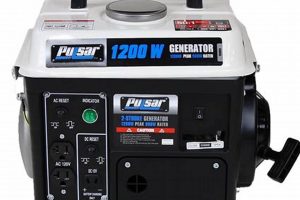
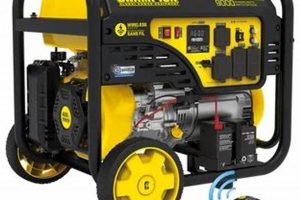
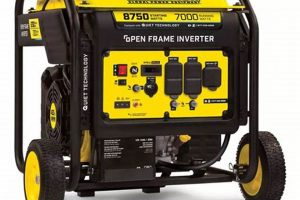
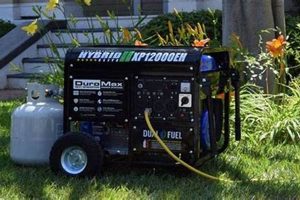
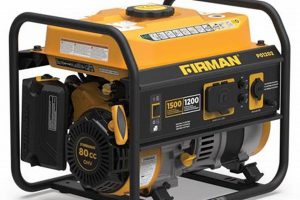
A compact, fuel-powered device provides temporary electrical power. These units are commonly used for backup power during outages, powering tools at remote job sites, recreational activities like camping, or providing electricity in areas without grid access. For example, a homeowner might use one to operate essential appliances during a power outage, while a construction crew might use one to power saws and drills on a site without readily available electricity.
Independent power generation capabilities are increasingly valuable in various situations. The ability to provide electricity during emergencies, natural disasters, or in off-grid locations offers significant advantages. Portable units have evolved from bulky, noisy machines to quieter, more fuel-efficient models. This evolution reflects the growing need for reliable, portable power sources in both professional and personal settings.
This article explores the various aspects of these devices, from selecting the right size and features to safe operation and maintenance. Further sections delve into the different fuel types, noise levels, power outputs, and common uses for these essential machines.
Safe and Efficient Operation Tips
Proper operation ensures safety and maximizes the lifespan of portable generators. Following these guidelines will contribute to efficient and reliable power generation.
Tip 1: Adequate Ventilation is Crucial: Always operate the unit outdoors in a well-ventilated area. Never operate it indoors, including garages or sheds, due to the risk of carbon monoxide poisoning.
Tip 2: Grounding for Safety: Proper grounding is essential to prevent electrical shocks. Consult the owner’s manual for specific grounding instructions and ensure the unit is grounded correctly before each use.
Tip 3: Fuel Handling Precautions: Allow the engine to cool completely before refueling. Store fuel in approved containers and away from ignition sources. Never refuel a running or hot generator.
Tip 4: Regular Maintenance is Key: Perform regular maintenance, including oil changes, air filter cleaning, and spark plug replacement, as outlined in the owner’s manual. This extends the lifespan of the unit and ensures optimal performance.
Tip 5: Proper Connection of Electrical Devices: Use heavy-duty extension cords rated for the generator’s output. Never overload the generator. Calculate the total wattage of the devices to be connected and ensure it is within the unit’s capacity.
Tip 6: Protect from Elements: While designed for outdoor use, prolonged exposure to rain, snow, or excessive sunlight can damage the generator. Consider using a canopy or other protective covering when operating in inclement weather.
Tip 7: Dry Run Avoidance: Avoid running the generator without a load, as this can damage the engine. If testing is necessary, connect a small load to the generator.
Adhering to these tips ensures safe and efficient operation, prolonging the life of the unit and preventing accidents. These precautions contribute significantly to a positive user experience.
By understanding these operational guidelines and maintenance recommendations, users can maximize the benefits of portable power generation.
1. Power Output

Power output, measured in watts, is a critical specification for portable generators. It directly determines which appliances or tools can be operated simultaneously. A generator’s power output must exceed the combined wattage requirements of the intended load. For instance, a generator with a 3000-watt output could power a refrigerator (600 watts), a few lights (100 watts), and a small television (150 watts) concurrently, as their combined wattage remains well below the generator’s capacity. Conversely, attempting to run a large air conditioner (1500 watts) and an electric heater (1500 watts) simultaneously on the same 3000-watt generator would likely overload the system, potentially causing damage.
Manufacturers typically provide two power output ratings: starting watts and running watts. Starting watts, also known as surge watts, represent the higher power output available for a short duration to start motor-driven appliances, which require a surge of power upon startup. Running watts, sometimes referred to as rated watts, indicate the continuous power output the generator can sustain. Understanding the difference between these ratings is crucial for safe and effective generator operation. A circular saw, for example, might require 1500 starting watts but only 1000 running watts. Therefore, a generator with at least 1500 starting watts would be necessary to power the saw.
Selecting a generator with appropriate power output requires careful consideration of intended use. Underestimating power needs can lead to overloading and potential damage, while overestimating can result in unnecessary fuel consumption and higher purchase costs. Careful calculation of load requirements is essential for choosing a generator that meets specific power demands effectively and efficiently.
2. Fuel Efficiency

Fuel efficiency is a paramount consideration when selecting a portable generator, directly impacting operating costs and runtime. A more fuel-efficient generator requires less fuel to produce the same amount of power, resulting in lower operating expenses and extended operation between refueling. This is particularly crucial during extended power outages or in remote locations where refueling may be inconvenient or impossible.
- Fuel Consumption Rate:
Fuel consumption is typically measured in gallons per hour (GPH) at a given load. Lower GPH values indicate higher fuel efficiency. For instance, a generator consuming 0.5 GPH at half load is more fuel-efficient than one consuming 1.0 GPH under the same load. This translates to direct cost savings and longer operation on a single tank of fuel.
- Engine Design and Technology:
Engine design significantly influences fuel efficiency. Modern engines incorporating advanced technologies like overhead valve (OHV) design or inverter technology generally offer better fuel economy compared to older, less sophisticated engine designs. OHV engines promote more complete fuel combustion, while inverter generators adjust engine speed based on load, maximizing efficiency. This technological advancement contributes to both cost savings and reduced environmental impact.
- Load Management:
Operating the generator at the optimal load also affects fuel efficiency. Generators typically achieve peak efficiency when operating at around 50-75% of their rated capacity. Overloading or underloading the generator can reduce fuel efficiency. For example, running a small load on a large generator is less efficient than running the same load on a smaller, appropriately sized generator. Matching the generator’s output to the power demands maximizes fuel economy.
- Maintenance and Tuning:
Regular maintenance, including clean air filters, fresh spark plugs, and proper carburetor adjustments, can significantly improve fuel efficiency. A poorly maintained engine may consume more fuel and perform less efficiently. Regular tune-ups ensure the generator operates at peak performance and optimal fuel economy. Neglecting maintenance can lead to decreased fuel efficiency and increased operational costs.
Careful consideration of these factors helps users select a generator that balances power needs with operating costs and environmental impact. Choosing a fuel-efficient generator offers long-term economic and environmental benefits, particularly in scenarios requiring extended operation or limited access to fuel.
3. Runtime

Runtime represents the duration a portable generator can operate continuously on a single tank of fuel. This is a critical factor influencing its practicality and suitability for various applications. Understanding runtime characteristics is essential for selecting a generator that meets specific power duration requirements.
- Fuel Tank Capacity:
The fuel tank capacity directly influences runtime. Larger fuel tanks generally provide longer runtimes, assuming consistent fuel consumption rates. A larger tank reduces the frequency of refueling, which is particularly advantageous during extended power outages or in remote locations. For instance, a generator with a 5-gallon tank will typically run longer than one with a 3-gallon tank, all other factors being equal. However, larger tanks also increase the generator’s size and weight, which may be a consideration for portability.
- Load and Fuel Consumption:
The load placed on the generator significantly impacts fuel consumption and, consequently, runtime. Higher loads result in increased fuel consumption and shorter runtimes. Operating the generator at a lower percentage of its rated capacity extends the runtime. For example, running a few essential appliances will allow for a longer runtime than powering multiple high-wattage devices simultaneously. Careful load management is crucial for maximizing runtime.
- Engine Efficiency:
Engine efficiency plays a crucial role in determining runtime. More efficient engines extract more power from a given amount of fuel, extending the generator’s operational duration. Inverter technology generators, known for their variable engine speed, optimize fuel consumption based on the load, resulting in longer runtimes compared to traditional generators with fixed engine speeds. This technological advancement is particularly beneficial for applications requiring extended operation.
- Fuel Type:
The type of fuel used also influences runtime. While most portable generators use gasoline, some models operate on propane or diesel. Propane offers a longer shelf life than gasoline, while diesel often provides greater fuel efficiency, leading to extended runtimes. The choice of fuel type depends on availability, storage considerations, and desired runtime.
Matching the generator’s runtime capabilities to the specific application ensures reliable power for the required duration. Whether providing backup power during an outage or powering equipment at a remote job site, understanding the interplay between these factors is crucial for selecting the right generator for the task.
4. Noise Level

Noise level is a significant consideration when selecting a portable generator, impacting its suitability for various environments and applications. Excessive noise can be disruptive in residential areas, campsites, or work sites where noise regulations apply. Understanding the factors influencing noise levels and available noise reduction technologies is crucial for choosing a generator that minimizes noise pollution.
- Decibel (dB) Rating:
Generator noise is measured in decibels (dB). Lower dB ratings indicate quieter operation. Manufacturers typically provide dB ratings measured at a specific distance, usually 7 meters (23 feet). A generator with a 60 dB rating at 7 meters is considerably quieter than one rated at 75 dB at the same distance. For comparison, normal conversation is around 60 dB, while a vacuum cleaner operates at approximately 70 dB. Choosing a generator with a lower dB rating minimizes noise disturbance.
- Engine Design and Speed:
Engine design and operating speed significantly influence noise output. Slower-running engines generally produce less noise than high-speed engines. Inverter generators, known for their variable engine speed, adjust the engine RPM based on the load, resulting in quieter operation, especially at lower loads. This technology contributes significantly to noise reduction compared to traditional generators with fixed engine speeds.
- Muffler and Noise Reduction Technology:
Mufflers play a critical role in attenuating generator noise. Generators equipped with advanced mufflers and sound-dampening enclosures generally operate quieter than those with basic mufflers. Some manufacturers incorporate specialized noise reduction technologies to minimize operational noise. These features can significantly reduce noise pollution and enhance usability in noise-sensitive environments.
- Operating Environment:
The operating environment can influence perceived noise levels. Placing the generator on a soft surface like grass or dirt can absorb some of the noise compared to operating it on a hard surface like concrete or asphalt. Additionally, using sound-absorbing barriers or directing the exhaust away from populated areas can further reduce noise impact. Careful placement and environmental considerations contribute to minimizing noise disturbance.
Selecting a quieter generator enhances user comfort and minimizes disturbance to others. For applications in noise-sensitive environments, prioritizing lower dB ratings, inverter technology, and advanced muffler designs is essential. Understanding the interplay between these factors ensures the chosen generator meets specific noise requirements while providing reliable power.
5. Portability
Portability is a defining characteristic of these generators, directly influencing their usability and suitability for various applications. This characteristic enables convenient transport and deployment in diverse locations, expanding the practical utility of independent power generation. Portability encompasses several key aspects, including weight, dimensions, and integrated handling features. A lightweight, compact unit with integrated handles or wheels allows easy movement by a single individual, while larger, heavier units may require two people or mechanical assistance for transport. This distinction is crucial for determining the generator’s suitability for specific tasks. For instance, a compact, lightweight generator is ideal for camping trips or tailgating, where ease of transport is paramount. Conversely, a larger, more powerful unit, while less portable, may be better suited for construction sites or emergency backup power for homes, where power output outweighs portability concerns. The interplay between power output and portability presents a trade-off that users must carefully consider based on their individual needs.
The practical significance of portability becomes evident in various scenarios. During power outages, a portable generator can be readily deployed to provide backup power for essential appliances. On construction sites, a portable unit can power tools in locations without access to grid electricity. For recreational activities like camping or tailgating, a portable generator offers convenience and independence from external power sources. These examples illustrate the versatility and practical benefits afforded by the portability of these generators. Furthermore, advancements in materials and engine technology have led to the development of lighter and more compact units without compromising power output. This continuous improvement expands the range of applications and enhances user convenience.
In conclusion, portability is a crucial factor influencing the selection and application of portable generators. Careful consideration of weight, dimensions, and handling features alongside power output requirements ensures the chosen generator meets the specific demands of the intended use. The practical advantages of portability extend across various scenarios, highlighting the importance of this defining characteristic. Balancing portability with power output and other relevant factors optimizes the selection process, ensuring the chosen unit aligns with the user’s specific needs and application requirements.
6. Safety Features
Safety features are integral components of portable generators, mitigating potential hazards associated with fuel-powered electrical generation. These features protect users and equipment, ensuring safe and reliable operation. Several key safety mechanisms commonly incorporated in modern portable generators significantly reduce risks.
Low-Oil Shutdown: This critical safety feature automatically shuts down the engine when oil levels fall below a safe operating threshold. This prevents engine damage caused by insufficient lubrication, extending the generator’s lifespan and preventing costly repairs. Without this feature, continued operation with low oil could lead to catastrophic engine failure. This automated protection is especially crucial during extended operation where consistent oil level monitoring might be impractical.
Overload Protection: Overload protection prevents damage to the generator and connected devices when the electrical load exceeds the generator’s rated capacity. This feature typically involves a circuit breaker that trips when an overload occurs, interrupting the flow of electricity and preventing damage to the generator’s electrical components. For example, attempting to power too many appliances simultaneously could overload the generator, triggering the overload protection to activate and prevent damage.
Spark Arrestors: Spark arrestors are crucial for preventing fire hazards, especially in dry or vegetated areas. These devices trap sparks generated by the engine’s exhaust, preventing them from igniting flammable materials. This safety feature is particularly important in forestry, agricultural, and other outdoor applications where fire risks are elevated. Regulations often mandate the use of spark arrestors in specific environments to mitigate fire hazards.
Carbon Monoxide (CO) Detectors/Sensors: Some advanced portable generators incorporate carbon monoxide (CO) detectors or sensors. These safety features monitor CO levels in the surrounding air and automatically shut down the generator if dangerous CO concentrations are detected. CO is an odorless, colorless, and poisonous gas produced by incomplete combustion. This feature provides crucial protection against CO poisoning, especially in enclosed spaces or during extended operation. This proactive safety mechanism safeguards users from the potentially fatal consequences of CO exposure.
Understanding and verifying the presence and functionality of these safety features before operating a portable generator is paramount. Regular inspection and maintenance of these features are essential for ensuring optimal safety and preventing accidents. User awareness and responsible operation, combined with these integrated safety mechanisms, contribute significantly to safe and reliable power generation.
7. Maintenance
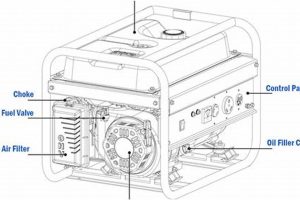
Regular maintenance is essential for ensuring the reliable and efficient operation of a gas-powered portable generator. Neglecting routine maintenance can lead to decreased performance, reduced lifespan, and increased risk of malfunctions or breakdowns. Proper maintenance practices safeguard the investment and ensure the generator remains a dependable power source when needed. The following facets of maintenance contribute significantly to the generator’s long-term functionality and safety.
- Oil Changes
Regular oil changes are fundamental to engine health and longevity. Oil lubricates the engine’s moving parts, reducing friction and heat. Over time, oil degrades, losing its lubricating properties and accumulating contaminants. Changing the oil at recommended intervals, as specified in the owner’s manual, removes these contaminants and replenishes the engine with fresh lubricant. This simple maintenance task significantly extends engine life and prevents premature wear. For example, failing to change the oil regularly can lead to increased engine wear, reduced fuel efficiency, and ultimately, engine failure.
- Air Filter Maintenance
Clean air filters are crucial for optimal engine performance. The air filter prevents dust, debris, and other airborne particles from entering the engine’s combustion chamber. A clogged air filter restricts airflow, reducing combustion efficiency and potentially causing the engine to overheat. Regularly cleaning or replacing the air filter, as outlined in the owner’s manual, ensures adequate airflow, maximizing engine performance and fuel efficiency. In dusty or dirty environments, more frequent air filter maintenance may be necessary. Neglecting air filter maintenance can lead to reduced power output, increased fuel consumption, and potential engine damage.
- Spark Plug Replacement
Spark plugs ignite the fuel-air mixture in the engine’s combustion chamber. Over time, spark plugs can become fouled or worn, leading to misfires, reduced power, and increased fuel consumption. Replacing spark plugs at recommended intervals, as specified in the owner’s manual, ensures reliable ignition and optimal engine performance. Using the correct type of spark plug is crucial for proper engine function. Ignoring spark plug replacement can lead to starting difficulties, rough running, and decreased fuel efficiency.
- Fuel System Maintenance
Maintaining the fuel system prevents issues related to fuel quality and delivery. Over time, gasoline can degrade, forming gum and varnish deposits that can clog fuel lines and the carburetor. Using a fuel stabilizer can help prevent fuel degradation during storage. Regularly draining the fuel tank and carburetor, especially before extended periods of storage, prevents these deposits from causing starting problems or engine damage. Additionally, inspecting and replacing fuel lines as needed ensures reliable fuel delivery to the engine. Proper fuel system maintenance contributes to consistent starting and smooth engine operation.
Adhering to these maintenance practices ensures the gas portable generator remains a reliable and efficient power source for years to come. Regular maintenance not only maximizes the generator’s lifespan but also ensures its safe and dependable operation when needed most. Neglecting these essential maintenance tasks can lead to costly repairs, decreased performance, and potentially hazardous operating conditions. A well-maintained generator provides peace of mind, knowing it will perform reliably when called upon.
Frequently Asked Questions
This section addresses common inquiries regarding gas-powered portable generators, providing concise and informative responses to facilitate informed decision-making and safe operation.
Question 1: What size generator is needed to power specific appliances?
Generator sizing depends on the combined wattage requirements of the intended appliances. Calculating the total running watts and starting watts of all devices to be powered simultaneously is crucial. The generator’s running watts must exceed the total running watts of the load, and its starting watts must accommodate the highest starting wattage of any individual appliance.
Question 2: How long can a portable generator run continuously?
Runtime depends on factors such as fuel tank capacity, engine efficiency, and load. Larger fuel tanks and more efficient engines generally provide longer runtimes. Higher loads consume fuel more quickly, reducing runtime. Manufacturer specifications typically provide runtime estimates under various load conditions.
Question 3: What type of fuel is used in portable generators?
Most portable generators use gasoline. Some models operate on propane or diesel. Gasoline is readily available but has a limited shelf life. Propane offers extended storage stability, while diesel often provides better fuel efficiency.
Question 4: Where can portable generators be safely operated?
Safe operation requires adequate ventilation to prevent carbon monoxide poisoning. Generators should always be operated outdoors, far from windows, doors, and vents. Never operate a generator indoors, including garages, basements, or sheds.
Question 5: How often should maintenance be performed on a portable generator?
Regular maintenance is essential for reliable operation. Oil changes, air filter cleaning or replacement, and spark plug replacement should be performed at intervals specified in the owner’s manual. Regular maintenance extends the generator’s lifespan and ensures optimal performance.
Question 6: What safety precautions should be taken when operating a portable generator?
Essential safety precautions include proper grounding, allowing the engine to cool before refueling, storing fuel safely, and never overloading the generator. Consulting the owner’s manual for specific safety guidelines is crucial for safe and responsible operation.
Understanding these frequently asked questions enhances user knowledge and promotes safe and efficient generator operation. Careful consideration of these factors ensures appropriate generator selection and responsible usage.
The subsequent sections delve further into specific aspects of portable generator technology, offering a comprehensive guide for informed decision-making.
Conclusion
Gas-powered portable generators offer versatile solutions for temporary power needs. This exploration has covered key aspects, from power output and fuel efficiency to safety features and maintenance requirements. Careful consideration of these factors is crucial for selecting the appropriate generator for specific applications, whether for emergency backup power, recreational activities, or professional use. Understanding operational guidelines and maintenance procedures ensures safe, reliable, and efficient power generation.
Reliable access to electricity is increasingly vital in modern society. Portable generators provide a crucial bridge between power needs and availability, offering independence and resilience in various scenarios. Informed selection and responsible operation empower users to harness the benefits of portable power generation effectively and safely.