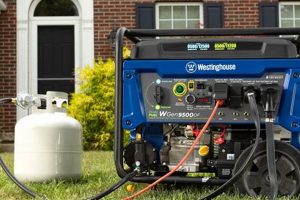
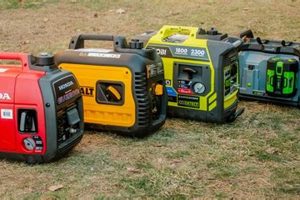
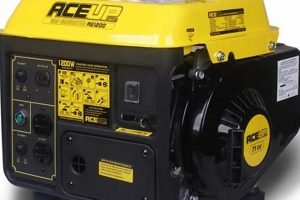
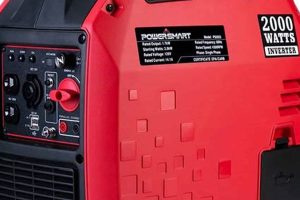
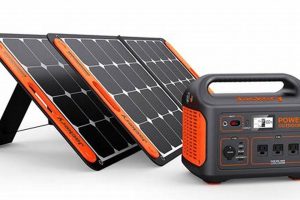
A compact, readily transportable power source, designed for residential use, ensures a continuous supply of electricity during outages caused by natural disasters or grid failures. These units offer peace of mind by powering essential appliances such as refrigerators, sump pumps, and heating systems, preventing food spoilage, flooding, and discomfort.
Reliable access to electricity is crucial for modern life. Power interruptions can disrupt daily routines, compromise safety, and lead to financial losses. Investing in a reserve power solution mitigates these risks and provides homeowners with independence from the power grid. While historically, backup power relied on large, permanently installed systems, advancements in technology have led to more compact, efficient, and affordable options. This makes reliable emergency power accessible to a wider range of households.
This article will further explore crucial aspects of selecting and operating such a system. Topics covered will include determining appropriate power output, understanding different fuel types, maintenance requirements, and safe operating procedures.
Essential Tips for Utilizing a Residential Backup Power Source
Proper selection and operation are vital for maximizing the effectiveness and lifespan of a residential backup power solution. The following tips offer practical guidance for homeowners.
Tip 1: Calculate Power Requirements: Determine the wattage needed to run essential appliances simultaneously. Consider devices like refrigerators, freezers, sump pumps, furnaces, and essential lighting. Overloading the unit can lead to damage.
Tip 2: Choose the Right Fuel Type: Gasoline, propane, and natural gas are common fuel options. Each has advantages and disadvantages related to storage, availability, and runtime. Consider local regulations and fuel accessibility during emergencies.
Tip 3: Prioritize Safety During Operation: Operate the unit outdoors in a well-ventilated area, away from windows and doors. Never operate it indoors due to the risk of carbon monoxide poisoning.
Tip 4: Invest in Proper Installation: Professional installation by a qualified electrician is crucial for safe and reliable operation. Properly installed transfer switches ensure safe disconnection from the utility grid, preventing backfeeding and potential harm to utility workers.
Tip 5: Conduct Regular Maintenance: Regular maintenance, including oil changes, air filter cleaning, and spark plug replacement, ensures optimal performance and prolongs the lifespan of the unit.
Tip 6: Store Fuel Safely: Store fuel in approved containers in a well-ventilated area away from ignition sources. Rotate fuel stocks to ensure freshness.
Tip 7: Exercise the Unit Regularly: Periodically run the unit under load to ensure it’s ready when needed. This helps identify potential issues before an outage occurs.
Adherence to these guidelines ensures a safe, reliable backup power solution for a home, providing peace of mind and protecting against disruptions caused by power outages.
By understanding these considerations, homeowners can make informed decisions and gain the full benefits of reliable backup power.
1. Power Output

A critical factor in selecting a backup power source for residential use is its power output, measured in watts. Understanding power output ensures the unit can handle the electrical demands of essential appliances during an outage. Insufficient power can lead to overloaded circuits and potential damage to both the generator and connected devices.
- Running Watts vs. Starting Watts
Running watts refer to the continuous power supply a generator can provide, while starting watts refer to the surge of power required to start motor-driven appliances like refrigerators and air conditioners. Starting watts are typically higher than running watts. For example, a refrigerator might require 1,000 starting watts but only 200 running watts. Selecting a generator with sufficient starting wattage is essential to prevent issues when powering on multiple appliances.
- Calculating Power Needs
Accurately assessing power requirements is crucial. Homeowners should identify essential appliances and their respective wattage needs. Summing these wattages provides a baseline for the minimum generator output required. Adding a safety margin of 20-30% is recommended to accommodate unexpected loads or future appliance additions.
- Impact on Appliance Operation
Adequate power output ensures reliable operation of critical appliances. Attempting to power devices exceeding the generator’s capacity can lead to voltage fluctuations, equipment damage, and potential safety hazards. For instance, an underpowered generator might cause a sump pump to malfunction, leading to potential flooding.
- Generator Sizing and Fuel Consumption
Generator size is directly correlated to power output and fuel consumption. Larger generators with higher power output typically consume more fuel. Balancing power needs with fuel efficiency is essential, especially during extended outages. Choosing a generator that is appropriately sized prevents fuel waste while ensuring sufficient power.
Careful consideration of power output is essential for effective backup power. Matching the generator’s capabilities to the home’s specific power demands ensures reliable operation of essential appliances during outages, mitigating disruptions and potential damage from insufficient power supply.
2. Fuel Type

Fuel type is a crucial consideration when selecting a backup portable generator for home use. The choice of fuel directly impacts the generator’s runtime, maintenance requirements, storage needs, and overall cost of operation. Different fuel types offer distinct advantages and disadvantages, requiring careful evaluation based on individual circumstances and needs.
- Gasoline
Gasoline is a readily available and commonly used fuel. Generators using gasoline offer relatively lower upfront costs. However, gasoline has a limited shelf life and can degrade over time, potentially causing carburetor issues. Storage requires approved containers and careful handling due to flammability. Refueling during extended outages can also be a challenge depending on gasoline availability.
- Propane
Propane offers a longer shelf life than gasoline, reducing the risk of fuel degradation during storage. Propane generators often run cleaner and require less frequent maintenance. Propane is typically stored in tanks, which can be larger and heavier than gasoline containers, but refueling is often easier through propane delivery services. The initial cost of a propane generator might be higher, but the extended shelf life and reduced maintenance can offset this over time.
- Natural Gas
Natural gas generators offer the convenience of a continuous fuel supply if connected to a home’s existing natural gas line, eliminating the need for refueling. These generators typically require professional installation and connection to the gas line. While convenient, natural gas availability can be disrupted during natural disasters, potentially rendering the generator unusable during critical periods.
- Diesel
Diesel generators are known for their durability, long lifespans, and fuel efficiency. Diesel fuel also has a longer shelf life compared to gasoline. However, diesel generators tend to be more expensive and can produce more noise and emissions. Cold weather operation might require specific diesel fuel formulations or additives to prevent fuel gelling.
The optimal fuel type for a backup portable generator depends on individual needs and circumstances. Factors to consider include fuel availability, storage capacity, runtime requirements, budget, and local regulations. A thorough assessment of these factors ensures the selection of a generator that provides reliable power during outages while aligning with practical considerations and homeowner preferences.
3. Portability
Portability is a defining characteristic of these generators, directly influencing their practicality and usability in various situations. The ease with which a unit can be moved and positioned impacts its effectiveness as a backup power solution. Understanding the nuances of portability helps homeowners select a generator that aligns with their specific needs and physical capabilities.
- Weight and Size
The physical dimensions and weight of a generator significantly impact its portability. Lighter, more compact units are easier to maneuver and transport, especially for individuals with physical limitations. Heavier generators might require assistance or specialized equipment for movement, limiting their practicality in certain situations. For instance, a compact, lightweight generator can be easily moved from storage to the desired operating location, while a larger, heavier unit might require multiple people or a wheeled cart.
- Wheels and Handles
Integrated features like wheels and handles contribute to the generator’s maneuverability. Durable, well-designed wheels facilitate movement over uneven terrain, while ergonomically designed handles provide a secure grip during transport. The presence and quality of these features directly influence the ease with which the generator can be positioned for operation. A generator with sturdy wheels and a comfortable handle can be easily rolled into position, even on gravel or grass.
- Storage Requirements
Portability influences storage requirements. Compact generators require less storage space, making them suitable for homes with limited storage options. Larger generators necessitate more dedicated storage areas, which must be accessible during power outages. A smaller, portable generator can be easily stored in a garage or shed, while a larger unit might require a dedicated storage area.
- Deployment in Various Locations
Portability allows for flexible deployment in different locations. A portable generator can be used to power a home during a power outage, provide electricity for outdoor events, or serve as a temporary power source for construction sites or recreational activities. This versatility expands the generator’s utility beyond emergency home backup power. For example, a portable generator can be used to power tools at a remote worksite or provide electricity for a camping trip.
Portability is a key factor influencing the practicality and usability of a backup power solution. Considering weight, size, integrated features, and storage requirements ensures the selection of a generator that meets the homeowner’s specific needs and physical capabilities, maximizing its effectiveness in various applications, from emergency home backup to recreational use. Careful evaluation of these factors ensures the selection of a unit that can be easily deployed and operated when and where it is needed.
4. Safety Features

Safe operation is paramount when utilizing a backup portable generator. Inherent safety features are crucial for protecting users, connected appliances, and the electrical system of a residence. Understanding these features and their importance contributes significantly to mitigating potential hazards associated with generator operation.
- Carbon Monoxide (CO) Detection and Shutoff
Carbon monoxide (CO) is a colorless, odorless, and highly poisonous gas produced during fuel combustion. Generators equipped with CO sensors automatically shut down the unit when elevated CO levels are detected, preventing dangerous CO buildup. This feature is crucial for protecting users from CO poisoning, particularly during operation in enclosed or poorly ventilated areas. For instance, a generator operating near a window could inadvertently expose occupants to dangerous CO levels without a functioning CO shutoff system.
- Overload Protection
Overload protection prevents damage to the generator and connected appliances by automatically shutting down the unit when the electrical load exceeds its rated capacity. This safeguards against overheating and potential fires caused by excessive current draw. For example, attempting to power multiple high-wattage appliances simultaneously could overload the generator without a functioning overload protection system. This could damage the generator and potentially create a fire hazard.
- Low-Oil Shutdown
Maintaining proper oil levels is essential for engine lubrication and proper generator function. Low-oil shutdown systems automatically turn off the generator when oil levels drop below a safe threshold, preventing engine damage caused by insufficient lubrication. This safeguards the generator’s lifespan and ensures reliable operation. Without this feature, running a generator with low oil could lead to catastrophic engine failure and render the unit unusable.
- Covered Outlets and GFCI Protection
Covered outlets and Ground Fault Circuit Interrupter (GFCI) protection minimize the risk of electrical shock, especially in damp or wet conditions. Covered outlets prevent accidental contact with live electrical components, while GFCI protection detects current leakage and instantly shuts off power to prevent electrocution. These features are particularly important during outdoor operation, where exposure to moisture is more likely. A generator with GFCI-protected outlets will quickly cut power if a connected appliance malfunctions and poses a shock hazard, preventing serious injury.
Prioritizing safety features is crucial for responsible generator ownership and operation. These features play a vital role in minimizing potential hazards associated with generator use, protecting users, connected devices, and the home’s electrical system. Selecting a generator equipped with robust safety features ensures peace of mind and safe, reliable power during outages.
5. Maintenance
Regular maintenance is essential for ensuring the reliable and safe operation of a backup portable generator for home use. Neglecting routine maintenance can lead to decreased performance, reduced lifespan, and increased risk of malfunctions, especially during critical power outages. A well-maintained generator provides consistent power when needed, safeguarding a home against the disruptions caused by unexpected power loss. This section explores key maintenance tasks crucial for optimal generator performance.
- Regular Oil Changes
Engine oil lubricates moving parts, reducing friction and preventing wear. Regular oil changes, as specified in the manufacturer’s guidelines, maintain proper engine function and prolong the generator’s lifespan. Using the correct oil type and viscosity is crucial for optimal performance. Neglecting oil changes can lead to increased engine wear, reduced efficiency, and potential engine failure. For example, failing to change the oil at recommended intervals can lead to sludge buildup, hindering proper lubrication and potentially causing irreversible engine damage.
- Air Filter Cleaning/Replacement
The air filter prevents dust and debris from entering the engine’s combustion chamber. A clean air filter ensures optimal airflow, promoting efficient fuel combustion and preventing performance degradation. Regular cleaning or replacement of the air filter, as outlined in the owner’s manual, is crucial. A clogged air filter restricts airflow, reducing engine power and increasing fuel consumption. For instance, operating a generator in a dusty environment necessitates more frequent air filter maintenance to ensure optimal performance.
- Spark Plug Maintenance
Spark plugs ignite the fuel-air mixture in the engine’s combustion chamber. Worn or fouled spark plugs can lead to starting difficulties, rough running, and reduced fuel efficiency. Periodic inspection and replacement of spark plugs, as recommended by the manufacturer, are necessary for reliable operation. Failing to maintain spark plugs can lead to ignition problems and potential engine damage. For example, using the incorrect type of spark plug can cause misfires and reduce engine performance.
- Fuel System Maintenance
Proper fuel system maintenance prevents fuel degradation and ensures reliable starting and operation. This includes using fresh, stabilized fuel, draining the fuel tank during periods of extended storage, and periodically checking and cleaning the fuel lines and carburetor. Fuel stabilizer prevents gasoline from degrading and forming gum deposits, which can clog the carburetor and fuel lines. Draining the fuel system before extended storage prevents stale fuel from causing starting problems. For instance, using ethanol-blended gasoline can lead to fuel system issues if not properly addressed through stabilization or timely draining.
Adhering to a regular maintenance schedule ensures the reliable and long-lasting performance of a backup portable generator. By following the manufacturer’s recommended maintenance procedures, homeowners can maximize the generator’s lifespan, ensuring it is ready to provide essential power during outages. Proper maintenance also enhances safety by mitigating the risks associated with malfunctions and ensuring efficient, clean operation.
6. Cost
Cost is a significant factor influencing the decision-making process when selecting a backup portable generator for home use. Understanding the various cost components associated with generator ownership allows for informed choices and budget planning. Evaluating both upfront and long-term costs ensures a balance between affordability and the desired level of power reliability.
- Initial Purchase Price
The initial purchase price varies depending on factors like power output, fuel type, features, and brand reputation. Higher power output generally translates to a higher purchase price. Comparing prices from different manufacturers and retailers is crucial for finding the best value. For example, a basic gasoline-powered generator might have a lower initial cost than a comparable propane-powered unit with similar wattage. However, the long-term cost implications of fuel type and maintenance should also be considered.
- Operating Costs (Fuel)
Operating costs primarily involve fuel consumption, which depends on the generator’s size, load, and runtime. Fuel prices fluctuate, impacting long-term operational expenses. Calculating estimated fuel costs based on anticipated usage helps determine the overall affordability. For instance, a diesel generator might offer better fuel efficiency than a gasoline equivalent, resulting in lower fuel costs over time, despite potentially higher upfront purchase price and maintenance costs.
- Maintenance Costs
Regular maintenance includes oil changes, air filter replacements, and spark plug replacements, contributing to ongoing expenses. Factoring in these costs helps estimate the total cost of ownership. Some generators require more frequent maintenance than others, impacting long-term affordability. For example, a generator with easily accessible maintenance points can reduce labor costs associated with professional servicing.
- Installation Costs (Optional)
While portable generators generally do not require extensive installation, some homeowners opt for professional installation of transfer switches or dedicated circuits for safer and more convenient operation. These installations incur additional costs that should be factored into the overall budget. A properly installed transfer switch ensures safe disconnection from the utility grid during generator operation, preventing backfeeding and potential harm to utility workers.
A comprehensive cost analysis, encompassing initial purchase price, operating costs, maintenance expenses, and potential installation fees, allows homeowners to make informed decisions when selecting a backup portable generator. Balancing affordability with desired features and power requirements ensures a cost-effective solution that provides reliable backup power during outages. Evaluating all cost components helps homeowners select a generator that meets both their power needs and budget constraints.
Frequently Asked Questions
This section addresses common inquiries regarding the selection, operation, and maintenance of backup portable generators for residential applications. Understanding these key aspects empowers homeowners to make informed decisions and utilize their generators safely and effectively.
Question 1: How is the required generator size determined?
Generator size is determined by calculating the total wattage required to run essential appliances simultaneously. Consider both running watts and starting watts, with starting watts being crucial for motor-driven appliances. Adding a safety margin of 20-30% to the total wattage is recommended.
Question 2: What are the key differences between gasoline, propane, and natural gas generators?
Gasoline offers readily available fuel but has a limited shelf life. Propane provides a longer shelf life and cleaner operation but requires larger storage tanks. Natural gas eliminates refueling concerns but is susceptible to supply disruptions during natural disasters. Each fuel type presents distinct advantages and disadvantages depending on individual needs and circumstances.
Question 3: Where should a portable generator be operated?
Generators should always be operated outdoors in a well-ventilated area, away from windows, doors, and air intakes. Never operate a generator indoors or in enclosed spaces due to the risk of carbon monoxide poisoning. Maintaining adequate ventilation is crucial for safe operation.
Question 4: What is a transfer switch, and why is it important?
A transfer switch safely connects the generator to the home’s electrical system while isolating it from the utility grid. This prevents backfeeding, which can be dangerous for utility workers and damage appliances. Professional installation by a qualified electrician is recommended for transfer switches.
Question 5: How frequently should a generator be maintained?
Maintenance schedules vary depending on the generator model and usage. Consult the manufacturer’s recommendations for specific maintenance intervals. Typical maintenance includes regular oil changes, air filter cleaning or replacement, spark plug inspection, and fuel system maintenance. Adhering to the recommended maintenance schedule ensures optimal performance and prolongs the generator’s lifespan.
Question 6: What safety precautions should be observed when operating a generator?
Always allow the generator to cool down before refueling. Store fuel in approved containers in a well-ventilated area away from ignition sources. Never operate a generator during inclement weather, such as heavy rain or snow. Familiarize oneself with the generator’s operating instructions and safety guidelines before use. Prioritizing safety during operation is essential for preventing accidents and ensuring user well-being.
Careful consideration of these frequently asked questions facilitates informed decision-making regarding portable generator selection, operation, and maintenance. Understanding these aspects empowers homeowners to utilize their generators safely and effectively, ensuring reliable backup power during outages.
For further information and specific guidance, consult the owner’s manual and seek advice from qualified professionals. The information provided here serves as general guidance and may not encompass all specific scenarios or requirements.
Conclusion
Residential backup power solutions offer crucial protection against power disruptions, safeguarding homes from the inconvenience and potential hazards of outages. Careful consideration of factors such as power output, fuel type, portability, safety features, maintenance requirements, and cost ensures selection of a unit appropriate for individual needs and circumstances. Understanding proper operation and maintenance procedures is essential for maximizing the generator’s lifespan and ensuring safe, reliable performance when needed most. This exploration has provided a comprehensive overview of the key aspects associated with these devices, empowering informed decision-making and promoting responsible generator ownership.
Reliable access to electricity is fundamental to modern living. Investing in a backup power solution represents a proactive step towards mitigating the risks associated with power outages. As reliance on electricity continues to grow, the importance of reliable backup power solutions becomes increasingly evident. Thorough planning and preparation ensures homes remain resilient in the face of unexpected power disruptions, safeguarding comfort, security, and peace of mind.