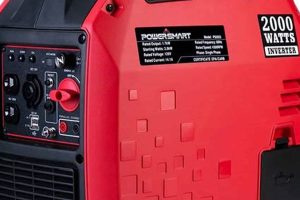
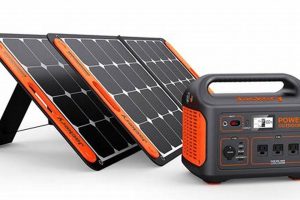
Compact, readily transportable power generation units designed for residential use offer a convenient backup electricity source during outages caused by weather events or grid failures. These devices typically utilize gasoline or propane fuel to power an internal combustion engine, which in turn drives an alternator to produce electrical current. This current can then power essential household appliances and devices, such as refrigerators, lighting, and sump pumps.
The ability to maintain critical home functions during power disruptions offers significant advantages in terms of safety, comfort, and preservation of property. Historically, homeowners faced limited options during blackouts, often relying on candles, battery-powered devices, or extended stays away from home. The advent of affordable and user-friendly compact generators has provided a practical solution for maintaining a degree of normalcy during unforeseen power interruptions. This capability is especially valuable for individuals relying on electrically powered medical equipment or those living in areas prone to severe weather.
This article will delve further into the various aspects of these power sources, including selecting the appropriate unit size, understanding safety considerations, exploring different fuel types and their associated costs, and outlining proper maintenance procedures to ensure long-term reliability.
Tips for Selecting and Operating a Compact Residential Generator
Careful consideration of several factors is essential to maximize the effectiveness and safety of a compact residential power source. The following tips offer guidance for both choosing and operating such a unit.
Tip 1: Calculate Power Requirements: Determine the wattage required to run essential appliances and devices. Consider the starting wattage (higher initial power draw) and running wattage (power needed for continuous operation) of each item. This calculation helps determine the appropriately sized generator.
Tip 2: Choose the Right Fuel Type: Gasoline-powered units are readily available, but propane offers advantages in terms of longer storage life and cleaner burning. Dual-fuel models provide flexibility.
Tip 3: Prioritize Safety: Never operate a generator indoors or in enclosed spaces, due to the risk of carbon monoxide poisoning. Ensure adequate ventilation and place the unit away from open windows and doors.
Tip 4: Connection Methods: Directly connecting appliances to a generator via extension cords is possible, but a transfer switch installed by a qualified electrician offers a safer and more convenient solution. Transfer switches prevent backfeeding into the power grid, which can endanger utility workers.
Tip 5: Routine Maintenance: Regular maintenance, including oil changes, air filter cleaning, and spark plug replacement, ensures reliable operation and extends the generator’s lifespan. Consult the manufacturer’s recommendations for specific maintenance intervals.
Tip 6: Proper Storage: Store fuel safely in approved containers, away from ignition sources. Stabilize gasoline fuel before long-term storage to prevent degradation. Store the generator in a dry, protected location.
Tip 7: Grounding: Ensure the generator is properly grounded to prevent electrical shocks. Consult a qualified electrician if unsure about proper grounding procedures.
Adhering to these guidelines ensures safe and efficient use of a compact generator, providing reliable backup power during outages and offering peace of mind.
By understanding these aspects, consumers can make informed decisions and effectively utilize a compact residential power source to enhance home safety and preparedness.
1. Power Output

Power output, measured in watts, represents a critical specification for compact residential generators. This metric directly dictates the number and type of appliances and devices a generator can power simultaneously. Understanding power requirements is crucial for selecting a unit capable of meeting essential household needs during a power outage. For example, a refrigerator might require a starting wattage of 1,000 watts and a running wattage of 200 watts, while a sump pump might demand 800 starting watts and 500 running watts. Attempting to operate both simultaneously on a generator with insufficient output can lead to overload and potential damage to the unit or connected appliances.
Calculating the cumulative wattage requirements of essential devices is paramount for informed generator selection. This involves summing the running wattages of the devices intended for simultaneous use and adding a buffer for potential starting wattage surges. Overestimating power needs slightly is generally recommended to avoid overload situations. For instance, a household requiring 1,500 running watts might benefit from a generator with a 2,000-watt output to accommodate starting wattage demands and potential future needs. Careful assessment ensures the generator adequately supports critical household functions during an outage.
Matching power output to specific needs ensures efficient and safe generator operation. Insufficient output leads to overloads and potential equipment damage, while excessive output represents unnecessary cost and fuel consumption. A thorough understanding of wattage requirements and careful calculation based on intended use cases empowers consumers to choose the right generator size for their specific requirements, maximizing functionality and minimizing risks.
2. Fuel Type
Fuel type represents a critical consideration when selecting a compact residential generator. The choice of fuel directly impacts operational costs, storage requirements, and environmental impact. Different fuel types offer distinct advantages and disadvantages, necessitating careful evaluation based on individual needs and circumstances.
- Gasoline
Gasoline offers widespread availability and ease of acquisition. Most gas stations provide ready access to this fuel type. However, gasoline has a limited shelf life and can degrade over time, potentially causing carburetor issues. Proper storage and stabilization are crucial for maintaining fuel quality. Gasoline-powered generators are generally more affordable than other fuel types, but fluctuating gasoline prices can impact operating costs.
- Propane
Propane offers a longer shelf life compared to gasoline, reducing concerns about fuel degradation during storage. Propane burns cleaner than gasoline, resulting in reduced emissions and extended engine life. Propane tanks require refilling or exchange, which may present logistical challenges depending on local availability. Propane-powered generators often exhibit quieter operation compared to gasoline counterparts.
- Dual Fuel
Dual-fuel generators offer the flexibility of operating on either gasoline or propane. This adaptability provides a valuable backup option in situations where one fuel type becomes unavailable. Dual-fuel models often incorporate a simple switching mechanism to transition between fuel sources. This versatility comes at a slightly higher initial cost compared to single-fuel units.
- Diesel
Diesel offers excellent fuel efficiency and long engine life. Diesel-powered generators are known for their durability and reliability, making them suitable for demanding applications. However, diesel engines can be louder and produce more emissions than gasoline or propane counterparts. Diesel fuel can also gel in cold weather, posing operational challenges in certain climates.
Careful consideration of fuel type is essential for selecting a generator that aligns with individual needs and priorities. Factors such as fuel availability, storage capabilities, operating costs, and environmental impact should inform the decision-making process. Choosing the appropriate fuel type ensures optimal generator performance, convenience, and long-term satisfaction.
3. Runtime

Runtime represents a crucial factor influencing the practicality and effectiveness of a compact residential generator. This metric signifies the duration a generator can operate continuously on a single tank of fuel at a specific load. Understanding runtime characteristics is essential for ensuring sufficient power availability during extended outages.
- Fuel Tank Capacity
The size of the fuel tank directly correlates with potential runtime. Larger tanks generally provide longer operation before refueling. A five-gallon tank, for instance, might offer eight hours of operation at half load, while a ten-gallon tank could double that duration. Careful consideration of anticipated outage durations should inform fuel tank capacity selection.
- Load Percentage
The load percentage, representing the proportion of the generator’s maximum power output being utilized, significantly impacts runtime. Operating at higher loads consumes fuel more rapidly, reducing overall runtime. For example, running a generator at 75% load will result in a shorter runtime compared to operating at 25% load. Prioritizing essential appliances during outages helps optimize fuel consumption and extend runtime.
- Engine Efficiency
Engine efficiency plays a significant role in determining runtime. More efficient engines convert fuel into usable power more effectively, maximizing runtime for a given fuel tank capacity. Advanced engine technologies and designs contribute to improved fuel efficiency and extended operational durations. Comparing engine specifications provides insights into potential runtime variations.
- Fuel Type
The type of fuel used also influences runtime. Different fuels possess varying energy densities, affecting the amount of power generated per unit volume. While propane offers a longer shelf life, gasoline typically provides more power per gallon. Evaluating fuel type characteristics aids in selecting the optimal fuel source for maximizing runtime based on specific needs.
Careful assessment of runtime characteristics, including fuel tank capacity, load percentage, engine efficiency, and fuel type, ensures adequate power availability during outages. Matching anticipated outage durations to generator runtime capabilities provides peace of mind and sustains essential household functions during power disruptions. Prioritizing energy-efficient appliances and operating at lower load percentages further optimizes fuel consumption and extends runtime, maximizing the generator’s utility.
4. Noise Levels

Noise levels represent a significant consideration when selecting and operating a compact residential generator. Excessive noise can disrupt household activities, disturb neighbors, and violate local noise ordinances. Understanding the factors influencing generator noise and exploring mitigation strategies ensures peaceful coexistence with this essential backup power source.
- Decibel Ratings
Manufacturers typically provide decibel (dB) ratings, indicating the sound intensity produced by the generator at a specific distance. Lower dB ratings signify quieter operation. For context, a normal conversation registers around 60 dB, while a lawnmower operates around 90 dB. Choosing a generator with a lower dB rating minimizes noise pollution and promotes a more peaceful environment.
- Engine Design and Construction
Engine design and construction significantly influence noise output. Modern inverter generators generally produce lower noise levels compared to traditional models due to their variable engine speed and advanced muffling systems. Features like sound-dampening enclosures and strategically placed vents further minimize noise emissions. Examining engine specifications and construction details provides insights into potential noise levels.
- Operating Load
The operating load, representing the amount of power being drawn from the generator, impacts noise output. Higher loads typically result in increased engine speed and consequently, higher noise levels. Operating the generator at lower loads, prioritizing essential appliances, helps reduce noise emissions. Efficiently managing power consumption during outages contributes to quieter operation.
- Placement and Distance
Strategic placement of the generator significantly influences noise impact. Positioning the unit farther away from living areas and neighboring properties minimizes noise intrusion. Utilizing sound-absorbing barriers or enclosures further reduces noise propagation. Careful consideration of placement optimizes noise management and promotes peaceful coexistence.
Minimizing generator noise enhances both user experience and neighborhood harmony. Selecting quieter models, strategically positioning the unit, and managing operating loads contribute to a more peaceful environment during power outages. Careful consideration of noise levels during generator selection and operation ensures minimal disruption and fosters positive community relations.
5. Portability
Portability represents a defining characteristic of compact residential generators, directly influencing their practicality and usability. This attribute facilitates convenient transport, storage, and deployment in various scenarios, enhancing the generator’s versatility and overall value. The portability of these units stems from their compact dimensions, lightweight construction, and integrated features designed for ease of movement.
Compact dimensions enable placement in confined spaces, such as vehicle trunks or storage sheds, maximizing storage efficiency and minimizing space requirements. Lightweight construction, often achieved through the use of durable yet lightweight materials like aluminum alloys, allows for easy maneuvering and transport by a single individual. Integrated features, such as built-in handles, wheels, and folding frames, further enhance portability, facilitating effortless movement and deployment at various locations. For instance, a homeowner might easily transport a portable generator to a remote cabin or campsite, providing power for essential appliances and devices. Similarly, during a power outage, a portable generator can be readily positioned outside the home to power critical circuits via extension cords or a transfer switch.
The practical significance of portability extends beyond mere convenience. This attribute empowers users to respond effectively to power outages at home or on the go, providing essential power for critical appliances, communication devices, and lighting. Portability ensures accessibility to backup power in various situations, enhancing safety, comfort, and preparedness. Understanding the relationship between portability and generator functionality enables informed decision-making, ensuring alignment between chosen features and individual power needs. Selecting a generator with appropriate portability features empowers users to maintain essential functions and navigate power disruptions effectively, whether at home, during recreational activities, or in emergency situations.
6. Safety Features
Safety features represent critical components of compact residential generators, mitigating potential hazards associated with operation. These integrated safeguards protect users, connected appliances, and the surrounding environment from electrical shocks, fire hazards, and carbon monoxide poisoning. Understanding these features and their functionality is paramount for safe and responsible generator operation.
- Automatic Shut-Off for Low Oil Levels
Low oil levels can cause severe engine damage. Automatic shut-off systems detect low oil levels and halt engine operation, preventing costly repairs and extending engine lifespan. This feature safeguards the generator from damage during periods of inattention or oversight, ensuring operational longevity.
- Overload Protection
Overloading a generator by exceeding its wattage capacity poses a significant fire risk and can damage connected appliances. Overload protection circuits automatically disconnect power output when excessive current draw is detected, preventing overheating and potential damage. This safeguard ensures the generator operates within safe parameters, protecting both the unit and connected devices. For example, if too many appliances are connected simultaneously, exceeding the generator’s rated wattage, the overload protection will activate, preventing potential damage from excessive current.
- Carbon Monoxide (CO) Detectors and Shut-Off
Carbon monoxide, a colorless, odorless, and highly toxic gas, poses a lethal threat. Generators produce carbon monoxide as a byproduct of combustion. Integrated CO detectors monitor CO levels and automatically shut down the generator if dangerous concentrations are detected, preventing potential exposure. This feature is crucial for safe operation, particularly in enclosed or poorly ventilated areas, and mandates operating the generator outdoors and away from open windows and doors.
- Grounded Outlets and Proper Grounding
Proper grounding provides a safe path for stray electrical currents, preventing electrical shocks. Grounded outlets, combined with proper generator grounding procedures using a grounding rod, ensure electrical safety during operation. This feature safeguards users from potentially lethal electrical shocks. Connecting the generator to a grounding rod provides a safe path for excess electrical current, mitigating the risk of shock.
Prioritizing safety features during generator selection mitigates potential hazards and promotes responsible operation. These safeguards protect users, equipment, and the surrounding environment, ensuring peace of mind during power outages. Understanding the functionality of these safety features empowers users to operate compact residential generators safely and effectively.
7. Maintenance

Maintenance plays a crucial role in ensuring the reliable and long-lasting performance of a compact residential generator. Neglecting routine maintenance can lead to decreased efficiency, premature failure, and potential safety hazards. Regular upkeep preserves the generator’s functionality, extending its operational lifespan and maximizing its value as a backup power source. A well-maintained generator provides dependable power during outages, offering peace of mind and ensuring the continuity of essential household functions. For instance, a homeowner who diligently performs routine oil changes, air filter cleaning, and spark plug replacements experiences fewer starting problems and ensures optimal fuel efficiency, maximizing the generator’s runtime during extended power outages.
Specific maintenance tasks vary depending on the generator model and manufacturer recommendations, but several common procedures apply universally. Regular oil changes, typically performed every 50-100 hours of operation, ensure proper engine lubrication and prevent premature wear. Air filter cleaning or replacement, usually conducted every 25-50 hours of operation, prevents dust and debris from restricting airflow, optimizing combustion efficiency and preventing engine damage. Spark plug replacement, generally recommended annually or every 300 hours of operation, ensures reliable ignition and efficient fuel combustion. Beyond these routine tasks, periodic inspections of fuel lines, filters, and electrical connections identify potential issues before they escalate into major problems. Addressing minor issues promptly prevents costly repairs and extends the generator’s operational lifespan. For example, neglecting a small fuel leak can eventually lead to a fire hazard, while ignoring a frayed electrical connection might result in an electrical shock. Proactive maintenance mitigates such risks, ensuring safe and reliable operation.
A comprehensive maintenance schedule, tailored to the specific generator model, ensures optimal performance and longevity. Consulting the manufacturer’s recommendations provides detailed guidance on maintenance procedures and intervals. Adhering to this schedule maximizes the generator’s operational lifespan, minimizes the risk of malfunctions, and ensures reliable power availability during outages. Regular maintenance represents an investment in preparedness, providing peace of mind and safeguarding essential household functions during unforeseen power disruptions. The practical significance of regular maintenance extends beyond mere functionality; it directly impacts safety, reliability, and the overall value of the investment. By diligently adhering to a comprehensive maintenance schedule, homeowners ensure the dependable and long-lasting performance of their compact residential generator, securing a reliable backup power source for years to come.
Frequently Asked Questions
This section addresses common inquiries regarding compact residential generators, providing concise and informative responses to facilitate informed decision-making and safe operation.
Question 1: What size generator is needed to power essential household appliances?
Generator size selection depends on the combined wattage requirements of the intended appliances. Calculating the sum of running wattages and factoring in starting wattage surges is crucial for determining the appropriate generator size. Consulting an electrician for precise load calculations is recommended.
Question 2: What are the primary safety considerations when operating a generator?
Operating a generator outdoors in a well-ventilated area is paramount to prevent carbon monoxide poisoning. Maintaining a safe distance from flammable materials and ensuring proper grounding procedures are also essential safety precautions.
Question 3: How long can a portable generator typically run on a single tank of fuel?
Runtime varies depending on fuel tank capacity, engine efficiency, and the load percentage. Generators typically operate for 8-12 hours on a single tank at 50% load. Consulting manufacturer specifications provides precise runtime estimates for specific models.
Question 4: What type of maintenance is required for a portable generator?
Regular maintenance includes oil changes, air filter cleaning or replacement, and spark plug replacement. Adhering to the manufacturer’s recommended maintenance schedule ensures optimal performance and longevity.
Question 5: What is the difference between a conventional generator and an inverter generator?
Inverter generators produce cleaner power, making them suitable for sensitive electronic devices. They also offer quieter operation and improved fuel efficiency compared to conventional generators.
Question 6: Can a portable generator be connected directly to a home’s electrical system?
Direct connection requires a properly installed transfer switch by a qualified electrician. This prevents dangerous backfeeding into the power grid and ensures safe operation. Direct connection through extension cords poses safety risks and is generally discouraged.
Understanding these frequently asked questions facilitates informed generator selection and safe operation, ensuring effective backup power during outages. Consulting qualified professionals for specific guidance related to electrical connections and load calculations is always recommended.
This concludes the frequently asked questions section. The following section will discuss (Transition to the next section of the article)
Small Portable Generators for Home
Compact, portable generators designed for residential use offer a crucial safeguard against power disruptions, ensuring the continuity of essential services and enhancing household safety. Careful consideration of factors such as power output, fuel type, runtime, noise levels, portability, safety features, and maintenance requirements is essential for selecting and operating a unit effectively. Understanding these aspects empowers homeowners to make informed decisions, aligning generator capabilities with specific needs and circumstances. Prioritizing safety through proper operation and maintenance practices ensures the reliable and responsible use of this valuable backup power source.
Investing in a properly sized and maintained portable generator provides peace of mind during unforeseen outages, protecting households from the disruptions and potential hazards associated with power loss. The ability to maintain essential functions, power critical appliances, and preserve comfort and safety underscores the significant value these units offer. Proactive planning and informed decision-making ensure households remain prepared and resilient in the face of power disruptions, safeguarding both property and well-being.