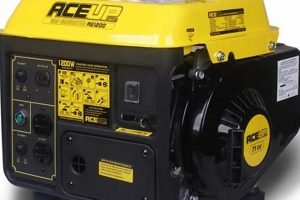
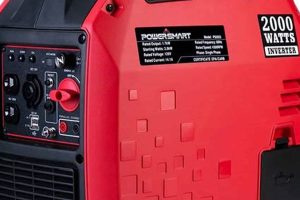
Selecting a top-quality portable generator involves careful consideration of power output, fuel efficiency, noise levels, and overall reliability. A homeowner might require a generator for various purposes, from powering essential appliances during a power outage to providing electricity for outdoor activities or remote locations. Choosing a reliable brand often translates to a longer-lasting, more dependable power source.
Reliable access to electricity is crucial for modern life. Power outages can disrupt daily routines, impacting comfort, safety, and the ability to work or communicate. Portable generators provide a critical backup power solution, ensuring essential appliances and devices continue to function during emergencies. A well-chosen generator can offer peace of mind and minimize disruptions caused by unforeseen power loss. Historically, generator technology has evolved significantly, leading to more compact, fuel-efficient, and quieter models suitable for home use.
This article will delve into the key factors to consider when selecting a portable generator, along with specific features, brands, and their respective pros and cons. It will also explore proper maintenance procedures and safety precautions for optimal generator performance and longevity.
Tips for Selecting a Portable Generator
Choosing a portable generator requires careful evaluation to ensure the unit meets specific power needs and offers reliable performance. The following tips offer guidance for making an informed decision.
Tip 1: Calculate Power Requirements: Determine the wattage required to run essential appliances and devices. Consider starting wattage, which is typically higher than running wattage. Overloading a generator can lead to damage.
Tip 2: Consider Fuel Type and Efficiency: Gasoline, propane, and dual-fuel generators offer varying runtimes and fuel availability. Evaluate fuel efficiency to minimize operating costs and refueling frequency.
Tip 3: Assess Noise Levels: Generator noise can be disruptive. Consider models with lower decibel ratings for quieter operation, particularly in residential areas.
Tip 4: Evaluate Outlets and Features: Ensure the generator offers the correct outlets and features for intended applications, such as covered outlets for outdoor use or USB ports for charging devices.
Tip 5: Prioritize Safety Features: Look for safety features like overload protection, low-oil shutoff, and carbon monoxide detectors for enhanced safety during operation.
Tip 6: Research Brand Reputation and Warranty: Choose reputable brands known for reliability and durability. A comprehensive warranty offers protection against potential defects and malfunctions.
Tip 7: Plan for Maintenance: Regular maintenance, including oil changes and air filter cleaning, is essential for optimal performance and longevity. Familiarize yourself with recommended maintenance procedures.
Careful consideration of these factors will facilitate the selection of a portable generator that meets power needs while offering reliable performance, safety, and long-term value.
By understanding these key considerations, consumers can make informed decisions, ensuring their selected generator provides reliable power for years to come.
1. Power Output

Power output, measured in watts, represents a critical factor when selecting a portable generator for home use. This metric directly dictates which appliances and devices the generator can power simultaneously. Understanding power requirements is essential to avoid overloading the generator, which can lead to damage or even complete failure. A proper assessment of household power needs, considering both running wattage and surge wattage (the initial power spike when an appliance starts), ensures the chosen generator adequately meets those demands.
For example, a refrigerator might require 700 running watts and 2,000 surge watts, while a sump pump might need 1,000 running watts and 2,000 surge watts. Attempting to run both simultaneously on a generator with a 2,500-watt running capacity could lead to overload and potential damage. Leading generator brands offer various models with different power outputs, allowing consumers to select a unit appropriate for their specific requirements. Careful consideration of wattage needs and generator capacity ensures reliable performance and prevents costly equipment failures. Some manufacturers offer online calculators or resources to help estimate power requirements for various appliances, facilitating informed generator selection. This empowers consumers to choose a generator that aligns with their needs and budget without compromising safety or performance.
In conclusion, power output serves as a cornerstone in choosing the optimal portable generator for home use. Accurately assessing power needs and selecting a generator with sufficient capacity is paramount for safe and reliable operation during power outages. Reputable brands often provide clear specifications and resources, enabling consumers to make informed decisions and ensure the chosen generator effectively powers essential devices and appliances.
2. Fuel Efficiency

Fuel efficiency stands as a crucial consideration when selecting a portable generator, directly impacting operational costs and environmental impact. Generators consume fuel to produce electricity, and a more fuel-efficient model translates to lower running expenses and reduced emissions. This efficiency is typically measured in gallons per hour (GPH) at various load levels. Leading brands often prioritize fuel efficiency in their designs, incorporating technologies that optimize fuel consumption without sacrificing power output. For instance, some models utilize inverter technology, which adjusts the engine speed based on the power demand, leading to significant fuel savings compared to traditional generators that operate at a constant speed.
The practical significance of fuel efficiency becomes particularly apparent during extended power outages. A fuel-efficient generator requires less frequent refueling, reducing the logistical challenges and expenses associated with fuel acquisition and storage. This is especially important in emergency situations where fuel availability might be limited. Furthermore, choosing a fuel-efficient generator contributes to a smaller environmental footprint by minimizing greenhouse gas emissions. Consumers can compare fuel consumption rates across different models and brands to make informed decisions aligned with their budgetary and environmental priorities. Analyzing the fuel consumption at different load levels offers a comprehensive understanding of a generator’s efficiency under varying power demands.
In conclusion, fuel efficiency represents a key element in selecting the best portable generator for home use. Prioritizing fuel-efficient models reduces operational costs, minimizes environmental impact, and enhances convenience during extended power outages. Top-tier brands often incorporate innovative technologies to optimize fuel consumption, providing consumers with cost-effective and environmentally responsible power solutions. By understanding the relationship between fuel efficiency and overall generator performance, consumers can make informed decisions that benefit both their wallets and the environment.
3. Noise Levels

Noise levels represent a critical factor when selecting a portable generator, particularly for residential use. Excessive noise can disrupt daily life, irritate neighbors, and even violate local noise ordinances. Top-tier generator brands recognize this concern and prioritize noise reduction in their designs.
- Decibel Ratings and Measurement
Generator noise is typically measured in decibels (dB). Lower dB ratings indicate quieter operation. Manufacturers often provide dB ratings at specific distances, such as 23 feet (7 meters). Understanding these ratings helps consumers compare noise levels across different models and make informed decisions based on their noise tolerance and local regulations. A difference of even a few decibels can significantly impact perceived loudness.
- Noise Reduction Technologies
Leading brands employ various technologies to mitigate generator noise. These include mufflers, sound-dampening enclosures, and advanced engine designs. Inverter generators, for example, generally operate quieter than conventional generators due to their variable engine speed, which adjusts based on power demand. Researching these technologies provides insights into how effectively different brands address noise reduction.
- Impact on Residential Environments
Generator noise can significantly impact the quality of life in residential areas. Excessive noise can disrupt sleep, interfere with conversations, and create a generally unpleasant environment. Choosing a quiet generator contributes to maintaining a peaceful and comfortable living space, especially during extended power outages. Considering the proximity of neighbors and local noise regulations is crucial when evaluating generator noise levels.
- Long-Term Exposure and Health
Prolonged exposure to loud noise can have adverse health effects, including hearing loss and stress. Selecting a quieter generator minimizes these risks, promoting the well-being of both the user and their neighbors. Understanding the potential health impacts of noise pollution underscores the importance of choosing a low-noise generator, especially for frequent or extended use.
In conclusion, noise levels are a significant consideration when choosing a portable generator for home use. Top-rated brands invest in noise reduction technologies to minimize disruption and promote a healthier environment. By understanding decibel ratings, noise reduction methods, and the potential health impacts of noise, consumers can select a generator that balances power needs with quiet operation, ensuring a reliable and peaceful power solution for their homes.
4. Brand Reliability
Brand reliability forms a cornerstone when selecting a portable generator, especially for home use where dependable performance is paramount. A reliable brand typically demonstrates a history of producing durable, well-engineered products with consistent performance. This often translates to a longer lifespan, fewer malfunctions, and readily available parts and service. Choosing a generator from a reputable brand often mitigates the risk of unexpected breakdowns, particularly during critical power outages. Established brands often invest heavily in research and development, leading to technological advancements and improved product quality. For instance, a brand known for robust engine construction and high-quality components will likely produce generators that withstand demanding operating conditions and deliver consistent power over an extended period.
Real-world examples underscore the significance of brand reliability. Consider a scenario where a homeowner relies on a portable generator during a severe storm. A generator from a less reliable brand might fail under pressure, leaving the homeowner without power when it’s needed most. Conversely, a generator from a reputable brand, known for its robust construction and reliable performance, would likely continue to operate, providing essential power for critical appliances and devices. This distinction highlights the practical implications of brand reliability, particularly during emergencies. Furthermore, reputable brands often offer comprehensive warranties and accessible customer support, further enhancing the value and peace of mind associated with their products. This commitment to customer satisfaction strengthens the long-term value proposition of choosing a reliable brand.
In summary, brand reliability serves as a crucial factor in selecting a portable generator for home use. Opting for an established brand with a proven track record of quality and durability offers a higher likelihood of consistent performance, reduced maintenance needs, and readily available support. This ultimately translates to greater peace of mind and dependable power during outages, underscoring the practical significance of prioritizing brand reliability when investing in a portable generator.
5. Warranty & Support
A comprehensive warranty and readily accessible customer support are integral components of what constitutes a “best” portable generator brand for home use. These elements represent a manufacturer’s commitment to product quality and customer satisfaction. A robust warranty provides assurance against manufacturing defects and premature failures, protecting consumers from unexpected repair costs. Effective customer support ensures timely assistance with troubleshooting, maintenance, and warranty claims, further enhancing the ownership experience. This combination of warranty and support significantly influences the long-term value and peace of mind associated with a generator purchase.
Consider a homeowner experiencing a malfunction with their generator during a power outage. A strong warranty, coupled with responsive customer support, facilitates efficient repairs or replacements, minimizing downtime and inconvenience. Conversely, a limited warranty or unresponsive customer support can exacerbate the situation, leaving the homeowner without power and facing potentially high repair costs. This contrast illustrates the practical significance of warranty and support, particularly in emergency situations. Furthermore, readily available parts and service contribute to the overall lifespan and usability of a generator. A brand with a well-established service network and readily accessible parts ensures timely repairs and minimizes potential downtime. This accessibility significantly impacts the long-term value and reliability of a generator.
In conclusion, warranty and support play a crucial role in defining the best portable generator brands for home use. A comprehensive warranty, coupled with responsive customer support and accessible parts and service, reinforces a brand’s commitment to product quality and customer satisfaction. These factors enhance the overall ownership experience, minimize potential disruptions during power outages, and contribute to the long-term value and reliability of the generator. Consumers should prioritize brands that offer robust warranties and accessible support when making purchasing decisions, ensuring dependable power solutions and peace of mind for their homes.
Frequently Asked Questions
This section addresses common inquiries regarding the selection and use of portable generators for home backup power.
Question 1: How is generator size determined for home use?
Generator size is determined by calculating the total wattage required to run essential appliances and devices. Online wattage calculators and consultation with electricians can assist in accurately assessing power needs.
Question 2: What are the key differences between conventional and inverter generators?
Conventional generators produce power at a constant speed, while inverter generators adjust engine speed based on demand, resulting in greater fuel efficiency and quieter operation. Inverter generators also provide cleaner power, making them suitable for sensitive electronics.
Question 3: What fuel types are commonly used in portable generators?
Common fuel types include gasoline, propane, and dual-fuel options. Each fuel type presents distinct advantages and disadvantages related to cost, availability, and storage.
Question 4: What safety precautions should be observed when operating a portable generator?
Essential safety precautions include operating the generator outdoors in a well-ventilated area, away from windows and doors. Never refuel a hot generator and ensure proper grounding to prevent electrical shocks. Carbon monoxide detectors are also crucial for safe operation.
Question 5: How often should a portable generator undergo maintenance?
Regular maintenance, such as oil changes, air filter cleaning, and spark plug replacement, is crucial for optimal performance and longevity. Consult the manufacturer’s recommendations for specific maintenance intervals and procedures.
Question 6: What are the implications of local regulations regarding generator use?
Local regulations often dictate permissible noise levels and operating hours for generators. Researching and adhering to these regulations ensures compliance and avoids potential fines or neighborly disputes.
Careful consideration of these frequently asked questions provides a foundational understanding for selecting and safely operating a portable generator, ensuring reliable backup power for homes.
For further information and specific product recommendations, consult resources such as consumer reports, expert reviews, and manufacturer websites.
Selecting the Best Portable Generator Brand for Your Home
Selecting the optimal portable generator brand requires careful consideration of various factors, including power output, fuel efficiency, noise levels, brand reliability, warranty, and customer support. A thorough assessment of individual power needs, coupled with a comprehensive understanding of generator features and specifications, empowers informed decision-making. Prioritizing reputable brands known for durable construction, reliable performance, and comprehensive warranties ensures long-term value and peace of mind. Investing in a high-quality portable generator provides a critical safeguard against power disruptions, ensuring essential appliances and devices continue to function during outages.
Reliable access to backup power is paramount in today’s interconnected world. A well-chosen portable generator offers not only convenience but also a critical safety net during emergencies. By carefully evaluating power needs, researching leading brands, and prioritizing essential features, homeowners can equip themselves with a dependable power solution that safeguards against unforeseen disruptions and enhances overall preparedness. A thoughtful investment in a portable generator represents a commitment to safety, preparedness, and the uninterrupted continuity of essential household functions.