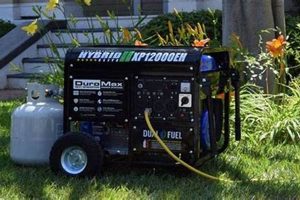
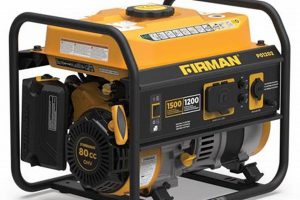
Portable generators typically use gasoline as fuel. Common gasoline grades, such as regular unleaded (87 octane) or mid-grade (89 octane), are suitable for most models. Using premium gasoline (91+ octane) generally offers no performance benefit and may even hinder operation in some engines. Some generators also offer dual-fuel capabilities, allowing them to operate on propane as well.
The choice of fuel influences a generator’s run time, maintenance requirements, and storage considerations. Gasoline is readily available and offers a good balance of power and cost-effectiveness. Propane, while requiring specific tank connections, burns cleaner and stores more easily for longer periods. Historically, portable generators were primarily gasoline-powered, but technological advancements have led to the development of versatile dual-fuel models. Correct fuel selection is essential for optimal generator performance and longevity.
This understanding of suitable fuel types forms the basis for discussions regarding generator operation, maintenance, and safety procedures, each of which will be explored in the following sections.
Fueling Tips for Portable Generators
Proper fuel management is essential for safe and efficient generator operation. These tips offer guidance on fuel selection, handling, and storage.
Tip 1: Consult the Owner’s Manual: Always refer to the manufacturer’s recommendations for the specific fuel type and octane rating suitable for the generator.
Tip 2: Use Fresh Gasoline: Gasoline can degrade over time, leading to performance issues. Use gasoline less than three months old, and consider using a fuel stabilizer for longer-term storage.
Tip 3: Avoid Mixing Fuels: Never mix gasoline with other fuels or additives. This can damage the engine and void the warranty.
Tip 4: Fill the Tank Carefully: Avoid spills and overfilling. Allow space for fuel expansion, especially in warmer temperatures.
Tip 5: Store Fuel Safely: Store gasoline and propane in approved containers in a well-ventilated area away from ignition sources.
Tip 6: Handle Fuel in a Ventilated Area: Refuel the generator outdoors or in a well-ventilated space to prevent the buildup of fumes.
Tip 7: Consider Dual-Fuel Options: If fuel flexibility is desired, explore generators offering dual-fuel capabilities for both gasoline and propane operation.
Adhering to these fuel management practices ensures optimal generator performance, prolongs engine life, and promotes safe operation. These precautions contribute significantly to the reliable and efficient use of portable generators.
By understanding fuel requirements and following recommended practices, generator owners can ensure reliable power generation when needed. This concludes the discussion on fueling portable generators.
1. Gasoline (regular unleaded)
Gasoline, specifically regular unleaded gasoline, serves as the most common fuel source for portable generators. This widespread use stems from its availability, affordability, and compatibility with most generator engine designs. The combustion of gasoline within the generator’s engine produces the mechanical energy necessary to power the alternator, which in turn generates electricity. The reliance on gasoline underscores its critical role as a primary energy source for portable power generation. For instance, during power outages caused by natural disasters, readily available gasoline allows homeowners to quickly refuel their generators and maintain essential services.
The suitability of regular unleaded gasoline (typically 87 octane) for portable generators relates to the compression ratio of their engines. Higher octane levels, designed for high-performance engines with higher compression ratios, offer no benefits in standard generator engines and can even lead to performance issues and potential carbon buildup. Using an appropriate fuel type, such as regular unleaded gasoline, directly impacts the generator’s efficiency, longevity, and ability to deliver reliable power. Choosing the correct octane, therefore, becomes a practical consideration with direct implications for generator performance and maintenance.
Understanding the relationship between regular unleaded gasoline and portable generator operation is fundamental for ensuring reliable power generation. While alternative fuels exist, gasoline remains a prevalent and practical choice for many users. Careful consideration of fuel type, combined with adherence to manufacturer guidelines, ultimately ensures optimal generator performance and longevity, mitigating potential issues and promoting safe and efficient operation.
2. Octane Rating (87 or 89)

Octane rating plays a crucial role in determining the suitability of gasoline for use in portable generators. This rating indicates a fuel’s resistance to premature detonation, commonly known as “knocking.” Matching the correct octane to the engine’s compression ratio ensures optimal performance and prevents engine damage. Selecting an inappropriate octane level can significantly affect the generator’s longevity and operational efficiency.
- Engine Compatibility:
Most portable generators are designed to operate efficiently on regular unleaded gasoline with an octane rating of 87. Using a higher octane fuel (e.g., 91 or higher) offers no performance advantages for these engines, as they lack the higher compression ratios designed to utilize such fuels. In some cases, using higher octane fuel may even lead to incomplete combustion, resulting in carbon buildup and potentially hindering engine performance.
- Knocking Prevention:
The octane rating directly relates to the fuel’s ability to resist knocking. Lower octane fuels ignite more easily under pressure, potentially causing pre-ignition or detonation before the piston reaches the optimal position. This uncontrolled combustion creates a knocking sound and can lead to engine damage. Using the correct octane, such as 87 for most portable generators, prevents knocking and ensures smooth engine operation.
- Performance and Efficiency:
Using the recommended octane level optimizes engine performance and fuel efficiency. Matching the fuel to the engine design ensures complete combustion, maximizing power output and minimizing wasted fuel. Conversely, using an incorrect octane can lead to reduced power output, increased fuel consumption, and potentially damaging engine components. For example, using a lower octane than recommended in a high-compression engine could cause significant damage due to excessive knocking.
- Manufacturer Recommendations:
Consulting the generator’s owner’s manual is paramount for determining the correct octane rating. Manufacturers provide specific recommendations based on engine design and operating conditions. Adhering to these guidelines ensures optimal performance, prevents engine damage, and maintains warranty validity. Ignoring manufacturer recommendations and using an incorrect octane can void warranties and lead to costly repairs.
Understanding the relationship between octane rating and generator performance is crucial for proper equipment maintenance and operation. Using the correct octane, typically 87 for most portable generators, maximizes engine efficiency, prevents damage, and ensures the generator delivers reliable power when needed. This emphasizes the importance of selecting the appropriate fuel type based on manufacturer guidelines to maintain optimal performance and prolong the lifespan of the generator.
3. Dual-fuel (gasoline/propane)
Dual-fuel capability in portable generators offers operational flexibility by enabling the use of either gasoline or propane. This feature addresses fuel availability concerns, particularly during emergencies when gasoline might be scarce. Propane offers several advantages, including longer shelf life, cleaner combustion, and reduced likelihood of fuel degradation compared to gasoline. This versatility expands the generator’s usability, allowing operation even when access to a specific fuel type is limited. For instance, during a natural disaster disrupting gasoline supply lines, a dual-fuel generator can seamlessly switch to propane, ensuring continued power for essential needs.
The presence of a dual-fuel system influences fuel storage strategies. While gasoline requires specific handling and storage precautions due to its flammability and potential for degradation, propane can be stored safely for extended periods with minimal risk of deterioration. This characteristic becomes particularly significant in emergency preparedness scenarios. Furthermore, propane’s cleaner combustion translates to reduced emissions, aligning with environmentally conscious practices. Consider a scenario where a homeowner requires generator power during a winter storm. Having the option to use propane eliminates the need to venture out for gasoline during hazardous conditions, enhancing safety and convenience.
The ability to utilize both gasoline and propane directly impacts the generator’s overall practicality and resilience. Dual-fuel functionality enhances preparedness for various situations, from planned outings requiring portable power to unforeseen emergencies. While the core function of providing electrical power remains consistent, the dual-fuel option expands the range of scenarios in which a generator can reliably operate. This expanded capability strengthens a generator’s value proposition, offering users adaptable power solutions to meet diverse needs and circumstances. Recognizing the implications of dual-fuel capabilities enhances understanding of fuel choices for portable generators, facilitating informed decisions based on individual needs and circumstances.
4. Fuel Stabilizer (for Storage)
Fuel stabilizer plays a vital role in maintaining the quality of gasoline used in portable generators, particularly during storage. Gasoline, especially ethanol-blended fuels, can degrade over time, leading to performance issues and potential engine damage. Fuel stabilizer mitigates this degradation, preserving fuel integrity and ensuring reliable generator operation even after extended storage periods. This directly relates to the type of gasoline used, as ethanol-blended fuels are more susceptible to degradation and benefit significantly from stabilizer use.
- Chemical Degradation Prevention:
Fuel stabilizer inhibits the oxidation and chemical breakdown of gasoline components, preventing the formation of gums, varnishes, and other deposits that can clog fuel lines and carburetor jets. This preservation of fuel quality is crucial for maintaining engine performance and preventing costly repairs. For example, storing a generator with untreated fuel over the winter can result in a clogged carburetor, requiring professional cleaning in the spring. Using a stabilizer mitigates this risk.
- Ethanol-Related Issues:
Ethanol, a common additive in gasoline, attracts water from the atmosphere, leading to phase separation and fuel degradation. Fuel stabilizer helps prevent this phase separation, maintaining the fuel’s homogeneity and preventing performance problems. In areas with high humidity, ethanol-blended fuels are particularly susceptible to water absorption, making fuel stabilizer essential for preserving fuel quality and preventing corrosion within the fuel system.
- Extended Storage:
For generators used infrequently or stored for extended periods, fuel stabilizer is essential for preserving fuel quality. It prevents the formation of harmful deposits and maintains the fuel’s combustibility, ensuring reliable starting and operation even after months of storage. This is especially relevant for emergency generators or those used seasonally, where extended storage periods are common.
- Engine Protection:
By preventing fuel degradation, stabilizer protects the generator’s engine from damage caused by contaminated fuel. Clean fuel ensures efficient combustion, minimizing wear and tear on engine components and prolonging the generator’s lifespan. Using stabilized fuel contributes to preventative maintenance, reducing the risk of costly repairs associated with fuel system issues. For example, using stabilized fuel minimizes the risk of varnish buildup on intake valves, which can lead to performance problems and increased maintenance requirements.
The use of fuel stabilizer directly impacts the longevity and performance of a portable generator, particularly when using gasoline susceptible to degradation. By understanding the importance of fuel stabilizer and its relationship to fuel type and storage practices, generator owners can ensure reliable operation and avoid potential fuel-related issues. This proactive approach to fuel management contributes significantly to maintaining the generator’s readiness and maximizing its lifespan.
5. Fresh Gasoline (Less Than 3 Months Old)
Gasoline, the most prevalent fuel for portable generators, has a limited shelf life. Using fresh gasoline, generally defined as fuel less than three months old, is crucial for maintaining optimal generator performance and preventing potential issues. Fuel degradation, a natural process accelerated by factors like ethanol content and storage conditions, directly impacts the generator’s ability to function reliably. This section explores the relationship between fresh gasoline and optimal generator operation.
- Fuel Degradation and Performance:
Over time, gasoline undergoes chemical changes, including oxidation and evaporation of volatile components. This degradation leads to the formation of gums and varnishes that can clog fuel lines, carburetors, and fuel filters, hindering fuel delivery and disrupting combustion. Stale gasoline can cause starting difficulties, rough running, reduced power output, and increased emissions. For example, using gasoline stored for six months without stabilizer might prevent the generator from starting or cause it to stall under load.
- Ethanol Content and Water Absorption:
Many gasoline blends contain ethanol, an alcohol that readily absorbs water from the atmosphere. This absorbed water can lead to phase separation, where the ethanol and water mixture separates from the gasoline, forming a layer at the bottom of the fuel tank. This separated fuel has a lower octane rating and can cause corrosion within the fuel system. Furthermore, water contamination can lead to fuel pump failure and engine damage. Using fresh gasoline minimizes the risk of water contamination and its associated issues, particularly in humid environments.
- Storage Practices and Fuel Longevity:
Proper gasoline storage practices extend fuel life and maintain its quality. Storing gasoline in airtight, opaque containers in a cool, dry, and well-ventilated area minimizes exposure to air, light, and temperature fluctuations, factors that accelerate degradation. Even with proper storage, gasoline gradually degrades. Therefore, using fuel within three months is a general guideline for optimal performance. Rotating fuel stock, using older gasoline in vehicles and replenishing with fresh fuel for the generator, can further optimize fuel management.
- Impact on Generator Components:
Using stale gasoline can negatively impact various generator components. Clogged fuel filters and carburetors reduce fuel flow, starving the engine and impacting performance. Varnish deposits on intake valves and combustion chambers disrupt airflow and combustion efficiency. Water contamination can corrode fuel lines, fuel pumps, and carburetors, leading to costly repairs. Employing fresh gasoline minimizes these risks, preserving the integrity of the fuel system and extending the lifespan of the generator.
Using fresh gasoline directly correlates with reliable generator operation and longevity. By understanding the factors influencing fuel degradation and implementing proper storage practices, generator owners can ensure their equipment performs optimally when needed. This proactive approach to fuel management minimizes potential problems, reduces maintenance needs, and maximizes the generator’s lifespan, ensuring reliable power generation for years to come. Furthermore, the use of fresh fuel ensures the generator operates within its designed parameters, maintaining efficiency and minimizing emissions.
6. Never Mix Fuels

Mixing fuels in a portable generator can have detrimental effects on the engine and its performance. Portable generators are typically designed for specific fuel types, primarily gasoline. Introducing other fuels, such as diesel or kerosene, or even mixing different octane grades of gasoline, alters the fuel’s combustion characteristics. This can lead to inefficient combustion, reduced power output, and increased emissions. Incompatibility between mixed fuels and engine components, like seals and gaskets, can cause leaks and damage. For example, mixing gasoline with ethanol can damage certain types of fuel lines and seals not designed for ethanol blends. Similarly, using gasoline with a significantly different octane rating than recommended can lead to knocking and engine damage.
The “never mix fuels” guideline directly impacts the longevity and reliability of a portable generator. Incorrect fuel mixtures can lead to the formation of harmful deposits within the engine, clogging fuel lines and carburetor jets. This can result in starting difficulties, rough running, and reduced power output. Moreover, improper combustion due to fuel mixing can generate excessive heat and pressure within the engine, potentially causing damage to pistons, valves, and other internal components. A real-world example involves mixing gasoline with two-stroke engine oil, meant for use in equipment like chainsaws. This mixture can foul spark plugs, impede combustion, and ultimately damage the generator’s engine. This reinforces the importance of adhering to manufacturer recommendations regarding fuel type and avoiding any fuel mixing.
Adhering to the “never mix fuels” principle safeguards the generator’s engine, ensuring its optimal performance and longevity. Using the correct fuel type, as specified by the manufacturer, maintains the integrity of the fuel system and prevents costly repairs. Understanding the potential consequences of fuel mixingranging from performance degradation to irreversible engine damageemphasizes the critical nature of this guideline. This knowledge empowers generator owners to make informed decisions regarding fuel selection and handling, contributing significantly to the safe and efficient operation of their equipment. This, in turn, ensures reliable power generation when needed, fulfilling the primary purpose of a portable generator.
Frequently Asked Questions about Generator Fuel
This section addresses common inquiries regarding fuel usage in portable generators, providing clarity on proper fuel selection, handling, and storage.
Question 1: Can premium gasoline enhance generator performance?
While premium gasoline has a higher octane rating, it offers no performance benefit for most portable generators designed for regular unleaded gasoline. Using premium fuel in a standard generator may lead to incomplete combustion and potential carbon buildup.
Question 2: What are the implications of using old or stale gasoline?
Old gasoline can degrade, forming gums and varnishes that clog fuel lines and carburetors. This can result in starting difficulties, reduced power output, and potential engine damage. Using fresh gasoline is crucial for reliable generator operation.
Question 3: Does the type of gasoline affect generator maintenance requirements?
Using gasoline with ethanol can lead to increased maintenance, as ethanol attracts water and can corrode fuel system components. Regularly checking and replacing fuel filters is particularly important when using ethanol-blended gasoline.
Question 4: What are the advantages of using propane in a dual-fuel generator?
Propane offers a longer shelf life than gasoline, reducing concerns about fuel degradation during storage. It also burns cleaner, producing fewer emissions. Propane’s availability can also be advantageous during gasoline shortages.
Question 5: How does fuel stabilizer contribute to generator maintenance?
Fuel stabilizer helps prevent gasoline degradation during storage, minimizing the formation of gums and varnishes. This reduces the need for carburetor cleaning and other fuel system maintenance, especially for generators used infrequently.
Question 6: Why is it essential to avoid mixing different fuel types in a generator?
Mixing fuels, such as gasoline with diesel or kerosene, can damage the engine and its components due to incompatibility. Even mixing different octane ratings of gasoline can lead to inefficient combustion and potential engine problems. Always consult the owner’s manual for the recommended fuel type.
Proper fuel selection and management are essential for optimal generator performance and longevity. Understanding these frequently asked questions equips generator owners with the knowledge necessary to maintain their equipment effectively and ensure reliable power generation when needed.
The subsequent sections will delve into specific maintenance procedures for portable generators, building upon the foundational understanding of fuel requirements established in this FAQ.
Understanding Portable Generator Fuel
Proper fuel selection and management are critical for the safe, efficient, and long-term operation of portable generators. Regular unleaded gasoline, typically with an octane rating of 87, is the most common fuel choice due to its availability and compatibility with most generator engines. However, dual-fuel generators offer increased flexibility by allowing the use of propane, an alternative fuel with distinct advantages regarding storage and emissions. Fuel stabilizer plays a crucial role in preserving fuel quality, especially during storage, preventing degradation that can lead to performance issues and engine damage. Adhering to manufacturer recommendations regarding fuel type, octane rating, and the avoidance of fuel mixing are essential practices for maintaining generator performance and longevity.
Informed fuel management practices directly contribute to the reliability and lifespan of portable generators. Understanding the nuances of fuel selection, storage, and compatibility empowers users to maximize the benefits of these essential power sources. This knowledge ensures preparedness for various situations requiring portable power, from planned outdoor activities to emergency power outages, underscoring the importance of informed fuel management in maximizing the utility and lifespan of portable generators.