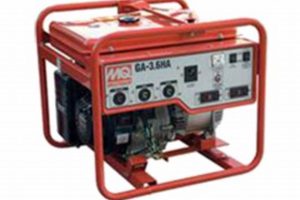
Restrictions on the use of small, fuel-powered electricity sources are increasingly common. These limitations often apply to residential areas, recreational spaces, and during specific events. For example, a municipality might prohibit their operation during a power outage due to noise pollution or fire hazards.
Regulations regarding these mobile power sources aim to mitigate several potential drawbacks. These include noise disturbance, air pollution contributing to respiratory problems, and the risk of carbon monoxide poisoning, especially in enclosed spaces. Historically, such regulations have emerged in response to specific incidents or growing awareness of environmental and public health concerns. The evolution of quieter, more efficient, and battery-powered alternatives also plays a role in encouraging these restrictions.
The following sections will delve into the specific reasons for these restrictions, exploring the environmental impact, health considerations, and relevant legal frameworks.
Understanding and complying with regulations concerning small, fuel-powered generators is crucial for community safety and environmental responsibility. The following tips offer guidance for navigating these restrictions effectively.
Tip 1: Research Local Ordinances: Regulations vary significantly by jurisdiction. Consulting local government websites or contacting relevant municipal departments provides clarity on permissible use, noise limitations, and permitted operating hours.
Tip 2: Explore Alternatives: Battery-powered generators and inverters offer quieter and cleaner alternatives, particularly for smaller power needs. Solar panels coupled with battery storage are another viable option for sustainable power generation.
Tip 3: Prioritize Safety: If using a fuel-powered generator is unavoidable, ensure adequate ventilation to prevent carbon monoxide buildup. Keep flammable materials away from the operating unit and never refuel a hot engine.
Tip 4: Maintain Equipment Properly: Regular maintenance, including oil changes and air filter cleaning, reduces emissions and noise output, promoting compliance with environmental regulations.
Tip 5: Consider Community Impact: Operating generators during nighttime hours can disrupt neighbors. Minimizing operating time and utilizing noise-reducing enclosures demonstrates consideration for the surrounding community.
Tip 6: Understand Emergency Regulations: During emergencies, some restrictions may be temporarily lifted. However, it’s essential to remain informed about any specific emergency guidelines issued by local authorities.
Tip 7: Report Violations: If observing unsafe or non-compliant generator use, report it to the appropriate authorities. This promotes community safety and helps enforce existing regulations.
By adhering to these guidelines, individuals can contribute to a safer and more environmentally conscious approach to power generation, minimizing disruptions and promoting community well-being.
These considerations underscore the broader implications of responsible power usage, leading to the concluding remarks.
1. Noise Pollution Reduction

Noise pollution generated by portable gas generators presents a significant environmental concern, often leading to restrictions or outright bans on their operation. These generators, particularly older models, produce substantial noise exceeding comfortable levels for prolonged exposure. This noise can disrupt daily activities, impacting sleep quality, increasing stress levels, and diminishing the overall quality of life, especially in densely populated areas or quiet recreational settings. Consequences can include strained community relations, formal noise complaints, and legal action, demonstrating the practical need for noise reduction measures.
The connection between noise pollution reduction and restrictions on these generators is direct. Regulations frequently specify permissible decibel levels and operating hours, aiming to minimize noise intrusion. For instance, many municipalities prohibit nighttime operation or restrict usage to specific times, reflecting the importance of noise reduction as a primary driver for these ordinances. Real-life examples include noise restrictions in campgrounds and residential areas, reflecting the impact on shared spaces. Construction sites, often heavily reliant on generators, face stringent noise regulations to protect nearby residents and workers. In some cases, quieter inverter generators are permitted, incentivizing the adoption of less disruptive technologies.
Ultimately, understanding the significant role noise pollution reduction plays in shaping regulations surrounding generator use is crucial for both individuals and communities. Adopting quieter technologies, adhering to operational guidelines, and exploring alternative power sources are key steps in minimizing noise impact and fostering a healthier soundscape. This focus on noise reduction aligns with broader public health initiatives emphasizing the importance of a tranquil environment for overall well-being.
2. Air Quality Improvement

Combustion engines, including those found in portable gas generators, emit pollutants detrimental to air quality. These emissions contribute to smog formation, respiratory problems, and exacerbate existing health conditions like asthma. Restricting or banning their use, particularly in densely populated areas or regions with poor air quality, offers a direct path toward cleaner air and improved public health outcomes. This connection is underscored by the Environmental Protection Agency’s (EPA) regulations on engine emissions and various state-level initiatives promoting cleaner air strategies.
The improvement of air quality represents a significant component of policies restricting generator usage. By reducing emissions of nitrogen oxides, particulate matter, and volatile organic compounds, these restrictions aim to mitigate the adverse health effects associated with poor air quality. Real-world examples include California’s stringent air quality regulations, which limit generator use in certain areas, particularly during periods of high pollution. Similarly, many national parks prohibit or restrict generator use to preserve pristine air quality and protect visitor health. These examples illustrate the practical application of air quality improvement as a core rationale for regulating generator operation.
Recognizing the direct link between emissions from portable generators and diminished air quality is fundamental to understanding the broader public health implications. Transitioning towards cleaner energy sources, adhering to existing regulations, and promoting community awareness are crucial steps in achieving cleaner, healthier air for all. These efforts contribute to a sustainable future while mitigating the environmental and health risks associated with combustion engine emissions. This shift aligns with global initiatives to reduce greenhouse gas emissions and combat climate change, further underscoring the significance of air quality improvement in the context of generator restrictions.
3. Fire Hazard Mitigation

Flammable fuels and high operating temperatures inherent to portable gas generators present substantial fire risks. Improper storage of fuel, refueling errors, or malfunctions can ignite fires, particularly in dry or densely populated areas. Consequently, fire hazard mitigation plays a critical role in justifying restrictions or bans on their use. Regulations often mandate specific safety precautions, operational guidelines, and placement restrictions to minimize fire risks, demonstrating the importance of fire safety within the broader context of generator regulations.
The connection between fire hazard mitigation and restrictions on generator use is demonstrably causal. Fuel leaks, sparks from electrical components, and inadequate ventilation can create conditions conducive to ignition and rapid fire spread. Real-world examples include wildfires ignited by generators in drought-prone areas and residential fires originating from improperly stored fuel or malfunctioning equipment. Stringent fire safety regulations in areas with high wildfire risk often limit or prohibit generator use, reflecting the practical significance of this connection. Construction sites, known for their inherent fire hazards, typically enforce strict regulations regarding generator operation and fuel storage to minimize risks. These examples highlight the critical importance of fire prevention in shaping policies surrounding generator use.
Understanding the direct link between portable gas generator operation and potential fire hazards is crucial for promoting community safety. Strict adherence to safety regulations, proper maintenance, and careful fuel handling are paramount in minimizing fire risks. Exploring alternative power sources, especially in high-risk areas, further reduces fire hazards and strengthens community resilience. This emphasis on fire safety aligns with broader disaster preparedness initiatives, highlighting the interconnectedness of individual actions and community well-being. Ultimately, prioritizing fire hazard mitigation within the context of generator regulations contributes to a safer environment for all.
4. Carbon Monoxide Risks
Carbon monoxide (CO) poisoning presents a severe health risk directly associated with portable gas generator operation. These generators produce CO, an odorless, colorless, and highly toxic gas. Improper ventilation, operating generators indoors or in enclosed spaces, or malfunctions can lead to dangerous CO buildup, resulting in serious health consequences or fatalities. This inherent danger is a primary factor motivating restrictions and bans on generator use, particularly in residential areas and enclosed spaces. The Centers for Disease Control and Prevention (CDC) provides extensive information on CO poisoning prevention, emphasizing the critical importance of understanding this risk in the context of generator operation.
The link between CO poisoning and restrictions on portable generator use is demonstrably causal. CO inhalation displaces oxygen in the bloodstream, leading to symptoms ranging from headaches and dizziness to loss of consciousness and death. Real-world examples include tragic incidents of families succumbing to CO poisoning while using generators indoors during power outages. Regulations often prohibit generator operation near windows, doors, or vents to prevent CO from entering occupied spaces, reflecting the practical significance of this danger. Public awareness campaigns frequently emphasize the life-threatening nature of CO poisoning from generators, underscoring the critical need for safe operation and proper ventilation. These examples highlight the direct impact of CO risks on shaping policies related to generator usage.
Understanding the profound health risks associated with CO poisoning from portable gas generators is paramount for public safety. Strict adherence to safety guidelines, emphasizing proper ventilation, and utilizing CO detectors are crucial for mitigating these risks. Exploring alternative power sources or employing professional installation of permanently installed standby generators with proper exhaust systems provides safer options. This focus on CO safety aligns with broader public health initiatives aimed at preventing accidental poisonings, underscoring the critical connection between individual actions and community well-being. Prioritizing CO risk mitigation within the framework of generator regulations contributes to a safer environment and protects lives.
5. Emergency Preparedness

Emergency preparedness necessitates reliable access to power, particularly during natural disasters or widespread outages. While portable gas generators offer a seemingly convenient solution, their limitations and risks necessitate a comprehensive approach to emergency power planning. Restrictions on their use underscore the need for safer, more sustainable alternatives, highlighting the complex interplay between individual preparedness and community well-being during emergencies.
- Power Outage Resilience
Extended power outages disrupt essential services, communication, and access to vital resources. While portable generators can provide temporary power, their reliance on fuel, noise pollution, and safety risks necessitate careful consideration. Real-world examples include situations where fuel shortages during emergencies render generators useless, highlighting the need for diversified power sources and strategies.
- Alternative Power Solutions
Exploring alternative power sources, such as battery storage systems, solar panels, and hand-crank generators, offers a more sustainable and often safer approach to emergency preparedness. These alternatives mitigate the risks associated with fuel storage, emissions, and noise pollution. Community-level initiatives, like microgrids and shared battery storage, enhance resilience and reduce reliance on individual generators.
- Safety and Regulation Compliance
Adhering to safety regulations concerning generator use is paramount during emergencies. Proper ventilation, fuel handling, and placement are crucial to prevent fires, carbon monoxide poisoning, and other hazards. Emergency preparedness requires not only access to power but also a commitment to safe operation to minimize risks to individuals and the community.
- Community-Level Preparedness
Emergency preparedness extends beyond individual households. Community-level planning, including resource sharing, communication networks, and coordinated emergency response, enhances overall resilience. Restrictions on portable generator use can encourage community-based solutions, promoting collaboration and resource optimization during emergencies.
The intersection of emergency preparedness and restrictions on portable gas generators highlights the need for a balanced approach. While these generators can play a role in individual preparedness, their limitations necessitate a broader strategy encompassing alternative power sources, community-level planning, and a strong emphasis on safety. This holistic perspective strengthens overall resilience and promotes a safer, more sustainable approach to navigating emergencies.
6. Alternative Power Sources
Restrictions on portable gas generators often spur the adoption of alternative power sources, driving innovation and promoting more sustainable and environmentally friendly options. This connection stems from the limitations and drawbacks of conventional generators, including noise pollution, emissions, and safety hazards. As regulations limit or prohibit generator use, the demand for alternative solutions increases, creating a market-driven incentive for the development and adoption of cleaner technologies. This cause-and-effect relationship fosters a shift toward more sustainable energy practices, benefiting both the environment and public health.
The importance of alternative power sources as a component of restrictions on portable generators is undeniable. These alternatives offer a range of benefits, addressing the very issues that motivate such restrictions. Solar panels combined with battery storage provide clean, silent power, eliminating emissions and noise pollution. Battery-powered generators offer portability without the need for fuel, reducing fire hazards and carbon monoxide risks. Furthermore, advancements in energy storage technology continuously improve the efficiency and affordability of these alternatives, making them increasingly viable replacements for conventional generators. Real-world examples include communities adopting solar-powered microgrids to enhance resilience during power outages and homeowners utilizing battery backup systems to maintain essential services during disruptions. These examples illustrate the practical application and growing popularity of alternative power solutions in response to generator restrictions.
Understanding the crucial role of alternative power sources in the context of portable generator restrictions is essential for promoting sustainable energy practices and community well-being. This understanding encourages investment in and adoption of cleaner technologies, reduces reliance on fossil fuels, and mitigates the environmental and health impacts associated with conventional generators. The transition towards alternative power sources represents a crucial step towards a more sustainable and resilient future, addressing the challenges of climate change, improving air quality, and enhancing community safety. This shift aligns with broader global initiatives promoting clean energy and environmental stewardship, further underscoring the significance of exploring and embracing alternative power solutions.
7. Community Health Protection
Restrictions on portable gas generators contribute significantly to community health protection by mitigating several environmental and safety hazards. These generators pose risks related to air and noise pollution, fire hazards, and carbon monoxide poisoning. By limiting or prohibiting their use, communities can create healthier living environments and reduce the incidence of adverse health outcomes associated with these hazards. This proactive approach to community health protection reflects a growing understanding of the interconnectedness between environmental factors and public well-being.
- Reduced Respiratory Illnesses
Emissions from gas generators contribute to air pollution, exacerbating respiratory conditions like asthma and bronchitis. Restricting their use, particularly in densely populated areas, leads to improved air quality and a corresponding reduction in respiratory illnesses. Studies correlating air quality improvements with decreased hospital admissions for respiratory problems demonstrate the tangible health benefits of such restrictions.
- Mitigation of Noise-Induced Health Issues
Prolonged exposure to noise from generators can lead to sleep disturbances, stress, and cardiovascular problems. Regulations limiting operating hours and noise levels protect communities from these health impacts. Real-world examples include noise ordinances in residential areas and recreational spaces demonstrating the practical application of noise reduction for community health protection.
- Prevention of Carbon Monoxide Poisoning
Carbon monoxide (CO) poisoning from generators poses a severe and often fatal health risk. Restrictions on generator placement and operation, coupled with public awareness campaigns, minimize CO exposure and prevent accidental poisonings. Data from public health agencies tracking CO-related incidents underscore the effectiveness of these preventative measures.
- Enhanced Fire Safety
Improperly used or maintained generators can ignite fires, endangering lives and property. Restricting their use in high-risk areas, particularly during dry seasons, reduces the incidence of generator-related fires. Fire safety statistics demonstrating a decrease in such fires following the implementation of restrictions provide concrete evidence of their effectiveness.
The connection between community health protection and restrictions on portable gas generators demonstrates a proactive approach to public health. By addressing the multifaceted health risks associated with these generators, communities create safer, healthier environments. This approach aligns with broader public health initiatives emphasizing preventative measures and environmental stewardship to improve overall community well-being. The shift towards cleaner, quieter alternatives further strengthens community health protection, promoting a more sustainable and resilient future.
Frequently Asked Questions about Restrictions on Portable Gas Generators
This section addresses common inquiries regarding restrictions on portable gas generators, aiming to provide clear and concise information.
Question 1: Why are restrictions on portable gas generators becoming more common?
Several factors contribute to increasing restrictions, including noise pollution concerns, air quality degradation, fire hazards, and the risks of carbon monoxide poisoning. These restrictions aim to protect public health and safety while promoting more sustainable energy practices.
Question 2: Are there exemptions to these restrictions during emergencies?
Regulations may vary depending on the specific jurisdiction and the nature of the emergency. While some restrictions might be temporarily lifted during declared emergencies, it’s crucial to consult local authorities for specific guidelines and permissible usage during such events.
Question 3: What are the alternatives to portable gas generators for backup power?
Viable alternatives include battery-powered generators and inverters, solar panels coupled with battery storage, and, for smaller power needs, hand-crank generators. These options offer cleaner, quieter, and often safer solutions for backup power.
Question 4: How can one determine the specific regulations regarding generator use in their area?
Consulting local government websites, contacting municipal departments responsible for environmental protection or fire safety, or seeking guidance from homeowner associations provides clarity on specific regulations within a given jurisdiction.
Question 5: What are the penalties for non-compliance with generator restrictions?
Penalties vary depending on the specific ordinance and the severity of the violation. Consequences can range from warnings and fines to legal action and equipment confiscation. It’s essential to understand and comply with local regulations to avoid penalties.
Question 6: How do restrictions on portable generators impact community resilience during power outages?
While these restrictions might limit individual reliance on traditional generators, they encourage exploration of safer, more sustainable alternatives. This fosters a more resilient community approach to power outages, promoting energy independence and preparedness.
Understanding and adhering to regulations concerning portable gas generators contributes to a safer, healthier, and more sustainable community environment. Responsible power usage, informed decision-making, and consideration for community well-being are paramount.
Further exploration of specific local ordinances and alternative power solutions is recommended.
Conclusion
Exploration of the topic reveals a complex interplay of environmental, health, and safety considerations driving the increasing prevalence of restrictions on portable gas generator usage. Noise pollution, air quality degradation, fire hazards, and the risk of carbon monoxide poisoning constitute significant concerns addressed by these regulations. The examination of alternative power sources, emergency preparedness strategies, and community health protection underscores the broader implications of these restrictions, highlighting a shift toward more sustainable and resilient practices.
The future of power generation necessitates a collective commitment to responsible usage, informed decision-making, and proactive exploration of cleaner, safer alternatives. Balancing individual needs with community well-being remains paramount. Further research and engagement with local authorities are crucial for navigating the evolving landscape of portable gas generator restrictions and embracing a more sustainable energy future.