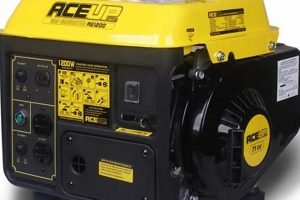
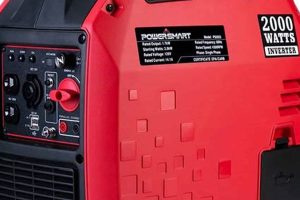
Top-tier backup power systems for residences offer peace of mind during outages, ensuring essential appliances and devices remain functional. These units are typically gasoline-powered, designed for ease of transport and setup, and prioritized for consistent performance and longevity. A robust system might, for example, power a refrigerator, several lights, and a furnace fan during a power outage.
Reliable backup power is critical for maintaining safety and comfort, safeguarding refrigerated food and medications, and enabling communication during emergencies. The ability to maintain power can prevent financial losses from spoiled food, ensure the continued operation of essential medical equipment, and facilitate remote work or learning. Historically, portable generators have evolved significantly, transitioning from noisy, inefficient machines to quieter, more technologically advanced units offering features like inverter technology for cleaner power and fuel efficiency.
The subsequent sections will delve into key factors influencing the selection of a high-quality portable generator, including power output, fuel type, runtime, noise levels, and essential safety features. Furthermore, various leading brands and models will be examined to provide a comprehensive understanding of the current market landscape.
Tips for Selecting and Operating a Backup Power System
Choosing and utilizing a backup power source requires careful consideration to ensure optimal performance, safety, and longevity. The following tips offer guidance for maximizing the benefits of these essential devices.
Tip 1: Accurate Power Needs Assessment: Calculate the wattage required to operate essential appliances and devices. Consider starting wattage, which can be significantly higher than running wattage, especially for appliances with motors.
Tip 2: Fuel Type Considerations: Gasoline-powered units offer widespread availability and generally lower initial costs. Propane offers cleaner burning and longer storage life. Dual-fuel options provide flexibility.
Tip 3: Runtime Evaluation: Determine the desired runtime based on anticipated outage durations. Longer runtimes often necessitate larger fuel tanks or more frequent refueling.
Tip 4: Noise Level Awareness: Operating volume varies significantly among models. Consider the proximity of neighbors and local noise ordinances when selecting a unit.
Tip 5: Safety Features Prioritization: Essential safety features include automatic shutoff for low oil levels and carbon monoxide detectors. Look for models with GFCI outlets for added protection.
Tip 6: Proper Installation and Maintenance: Consult a qualified electrician for proper connection and grounding. Adhere to manufacturer recommendations for regular maintenance, including oil changes and air filter cleaning.
Tip 7: Adherence to Safe Operating Procedures: Never operate a generator indoors or in enclosed spaces. Maintain adequate ventilation to prevent carbon monoxide poisoning. Allow the unit to cool before refueling.
By adhering to these guidelines, consumers can select a system that best suits their power needs and ensure safe and reliable operation during outages. Proper planning and maintenance are crucial for maximizing the lifespan and effectiveness of these devices.
These operational considerations, coupled with the selection advice provided earlier, contribute significantly to ensuring a secure and efficient backup power solution for any residence.
1. Power Output

A crucial factor in selecting a top-performing portable generator is its power output, measured in watts. This specification directly dictates which appliances and devices can be operated simultaneously during a power outage. Understanding power output is fundamental to ensuring the chosen unit meets specific needs.
- Running Watts vs. Starting Watts
Running watts represent the continuous power supply needed to keep appliances operating, while starting watts refer to the surge of power required to initially start appliances with electric motors, such as refrigerators or air conditioners. Starting wattage can be significantly higher than running wattage. For instance, a refrigerator might require 200 running watts but 1000 starting watts. Selecting a generator that cannot handle the starting wattage can lead to tripped breakers or damage to appliances.
- Calculating Total Power Requirements
Accurately assessing total power needs is essential for selecting an appropriately sized generator. This involves summing the running watts of all intended devices and factoring in the highest starting wattage of any single appliance. Using online wattage calculators or consulting appliance manuals can facilitate accurate estimations. Underestimating power requirements can lead to insufficient power during an outage, while overestimating can result in unnecessary expense.
- Power Output and Generator Size
Generators are available in a range of power output levels, typically from a few thousand watts for smaller portable units to tens of thousands of watts for larger models. The required power output directly influences the physical size and weight of the generator. Larger generators with higher power output are generally bulkier and less portable, whereas smaller generators are more manageable but offer limited power capacity.
- Inverter Technology and Power Quality
Inverter generators produce cleaner, more stable power, making them suitable for sensitive electronics. These generators adjust their engine speed based on power demand, resulting in improved fuel efficiency and quieter operation compared to conventional generators. While generally more expensive, inverter generators provide a higher quality power output that protects sensitive equipment.
Choosing a generator with appropriate power output is crucial for effectively managing power needs during outages. Careful consideration of running watts, starting watts, and overall power requirements ensures the selected generator can reliably power essential devices and appliances, maximizing safety and convenience during power disruptions.
2. Fuel Efficiency
Fuel efficiency plays a critical role in the overall reliability and practicality of portable generators for home use. A fuel-efficient generator offers extended runtimes, reduces operational costs, and minimizes environmental impact. The relationship between fuel consumption and reliability is multifaceted, influencing both the immediate functionality and long-term value of the generator. For instance, a generator consuming less fuel per hour can operate for a longer duration on a single tank, a vital factor during extended power outages.
Several factors influence fuel efficiency. Engine design and technology, such as the incorporation of inverter technology, play a significant role. Inverter generators adjust engine speed according to power demand, optimizing fuel consumption. Load size directly impacts fuel usage; powering fewer appliances results in lower fuel consumption. Operating the generator at its optimal load capacity, typically around 75%, can maximize fuel efficiency. Regular maintenance, including air filter cleaning and spark plug replacement, also contributes to optimal fuel consumption. Practical implications of improved fuel efficiency include reduced refueling frequency, lower operating costs, and decreased emissions. For example, a homeowner using a fuel-efficient generator during a multi-day outage can avoid frequent trips to procure fuel, ensuring uninterrupted power supply.
Fuel efficiency directly correlates with the reliability and cost-effectiveness of portable generators. Selecting a fuel-efficient model ensures longer runtimes, minimizes operational expenses, and reduces environmental impact. Understanding the factors influencing fuel efficiency and adopting appropriate operating practices are essential for maximizing the benefits and ensuring a reliable power source during outages. This understanding contributes to informed decision-making and ultimately enhances the value and practicality of a portable generator investment.
3. Runtime Capacity

Runtime capacity, the duration a generator can operate continuously on a single fuel tank, is a critical factor influencing the reliability of portable home generators. Extended operation during prolonged power outages is essential for maintaining critical services and comfort. A generator’s ability to provide sustained power directly impacts its overall value and practicality during emergency situations.
- Fuel Tank Size
The fuel tank capacity directly influences runtime. Larger tanks provide longer operation without refueling, enhancing convenience and uninterrupted power supply. For example, a larger tank might provide 8 hours of operation compared to 4 hours with a smaller tank, reducing the need for frequent refueling during extended outages.
- Load and Fuel Consumption
The power demand placed on the generator significantly impacts fuel consumption and runtime. Operating the generator at a lower load consumes less fuel, extending runtime. Conversely, high power demand shortens operational duration. Running essential appliances only, rather than all household devices, optimizes runtime.
- Engine Efficiency and Fuel Type
Engine design and fuel type influence fuel efficiency, affecting runtime. More efficient engines and fuel types with higher energy density contribute to extended operation. For example, a diesel generator might offer longer runtime compared to a gasoline-powered unit with the same tank size, due to the higher energy density of diesel fuel.
- Eco-Mode and Runtime Extension
Some generators feature “eco-mode” or similar functionality, which adjusts engine speed according to power demand, optimizing fuel consumption and extending runtime. This feature can significantly enhance operational duration during periods of lower power demand, conserving fuel and reducing operating costs. This feature is particularly useful for overnight operation or when powering a limited number of essential appliances.
Runtime capacity directly impacts the reliability and practicality of a portable home generator, ensuring essential power during extended outages. Selecting a generator with sufficient runtime capacity based on anticipated outage durations and power needs is critical for maintaining essential services and ensuring peace of mind. Careful consideration of fuel tank size, load management, and engine efficiency contributes to optimizing runtime and maximizing the value of the generator investment.
4. Noise Levels
Noise levels are a critical consideration when selecting a portable generator for home use. Excessive noise can disrupt neighbors, violate local ordinances, and create an unpleasant operating experience. Quiet operation is essential for maintaining positive community relations and ensuring user comfort, especially during extended power outages. Understanding the factors contributing to generator noise and the implications for reliable operation is crucial for making informed purchasing decisions.
- Decibel Levels and Human Perception
Generator noise is measured in decibels (dB). Higher dB values indicate louder operation. The human ear perceives sound logarithmically, meaning a small increase in dB represents a significant increase in perceived loudness. For example, a 70 dB generator is significantly quieter than an 80 dB model. Prolonged exposure to high noise levels can cause hearing damage and stress. Manufacturers typically provide decibel ratings, enabling consumers to compare noise levels across different models.
- Factors Affecting Noise Output
Several factors influence generator noise output, including engine design, muffler effectiveness, and operational speed. Generators with advanced muffler systems and slower engine speeds generally produce lower noise levels. Inverter generators often operate quieter than conventional generators due to their variable engine speed, which adjusts to power demand. Physical enclosure design also influences noise levels, with some models incorporating sound-dampening materials to minimize operational noise.
- Noise Regulations and Community Impact
Many communities have noise ordinances restricting permissible noise levels, particularly during certain hours. Operating a loud generator can lead to fines or legal issues. Choosing a quiet generator demonstrates consideration for neighbors and helps maintain positive community relations. Checking local noise regulations before purchasing a generator ensures compliance and avoids potential conflicts.
- Noise Reduction Techniques and Strategies
Various strategies can help mitigate generator noise. Placing the generator on a sound-absorbing mat or inside a sound-dampening enclosure can reduce noise propagation. Positioning the generator farther away from living areas and directing the exhaust away from neighbors also helps minimize noise impact. Purpose-built sound barriers or strategically placed landscaping elements can further attenuate noise levels.
Noise levels are an important factor impacting the reliability and overall user experience of portable home generators. Selecting a quiet generator enhances user comfort, promotes positive community relations, and ensures compliance with local noise regulations. Understanding the factors contributing to noise levels and implementing noise reduction strategies contribute to a more peaceful and reliable backup power solution.
5. Brand Reputation
Brand reputation significantly influences consumer confidence when selecting a portable generator for home backup power. A strong reputation, built on a history of producing durable, reliable products, fosters trust and often indicates a higher likelihood of long-term performance and robust customer support. Reputable brands frequently invest in research and development, leading to innovative features, improved efficiency, and enhanced safety measures. Conversely, lesser-known brands or those with a history of quality control issues may present a higher risk of premature failure, inadequate performance, or difficulty obtaining replacement parts and service. For instance, a brand known for robust engine construction and long-lasting components might be favored over a brand associated with frequent mechanical problems, even if the latter offers a lower initial price. This preference reflects the consumer’s understanding that reliability and longevity are paramount in a backup power solution.
Practical implications of prioritizing brand reputation extend beyond initial purchase. Established brands often offer comprehensive warranties, readily available parts, and extensive service networks. These factors contribute to a lower total cost of ownership and a greater likelihood of timely repairs should issues arise. Furthermore, reputable manufacturers typically provide detailed documentation, including user manuals and troubleshooting guides, which empower consumers to effectively maintain and operate their generators. This readily accessible information contributes to safe and efficient operation, minimizing the risk of user error and maximizing the lifespan of the generator. Conversely, choosing a less reputable brand might lead to difficulties obtaining warranty service, sourcing replacement parts, or accessing reliable support resources, potentially compromising the generator’s functionality when needed most.
Careful consideration of brand reputation is a critical component of selecting a reliable portable home generator. A strong reputation frequently correlates with durability, performance, and robust customer support, ensuring peace of mind and a higher likelihood of long-term satisfaction. Prioritizing established brands with a history of quality manufacturing represents an investment not only in the product itself but also in the comprehensive support infrastructure that contributes to reliable and sustained performance during critical power outages.
6. Warranty & Support
Comprehensive warranty and support services are integral to the long-term reliability and value of portable home generators. A robust warranty reflects manufacturer confidence in product quality and durability, providing consumers with assurance against defects and premature failures. Effective customer support ensures timely assistance with troubleshooting, maintenance, and repairs, maximizing generator lifespan and minimizing downtime during critical power outages. The presence of these elements significantly influences the overall ownership experience and contributes to the peace of mind associated with reliable backup power.
- Warranty Coverage and Duration
Warranty terms vary significantly among manufacturers, covering different components and durations. A longer warranty period, particularly for critical components like the engine and alternator, suggests higher manufacturer confidence in product durability. Comprehensive coverage for parts and labor minimizes out-of-pocket expenses for repairs during the warranty period. For example, a three-year warranty offers greater protection compared to a one-year warranty, especially for expensive components. Consumers should carefully review warranty terms to understand what is covered and for how long, enabling informed comparisons between different models and brands. Thorough understanding of warranty details helps mitigate financial risks associated with unexpected repairs.
- Customer Support Accessibility and Responsiveness
Accessible and responsive customer support is crucial for resolving technical issues, obtaining replacement parts, and scheduling repairs promptly. Multiple support channels, such as phone, email, and online chat, enhance accessibility. Prompt and knowledgeable responses from support representatives minimize downtime and frustration during outages. A manufacturer with a reputation for excellent customer service enhances confidence in the product and provides peace of mind. For instance, readily available online troubleshooting resources and a responsive customer support hotline can quickly resolve minor issues, minimizing disruption during a power outage.
- Service Network and Parts Availability
A widespread service network and readily available parts are essential for timely repairs and maintenance. Authorized service centers ensure qualified technicians perform repairs using genuine parts. Easy access to replacement parts minimizes downtime and ensures efficient restoration of functionality after a failure. For example, a nationwide network of authorized service centers ensures convenient access to qualified technicians regardless of location. Conversely, limited service availability can lead to extended delays in repairs, potentially compromising backup power during critical situations.
- Technical Documentation and Resources
Comprehensive technical documentation, including user manuals, troubleshooting guides, and online FAQs, empowers users to perform basic maintenance, diagnose minor issues, and operate the generator safely. Clear and accessible documentation minimizes the need for frequent contact with customer support and reduces the risk of user error. For example, a well-written user manual with clear instructions for oil changes and air filter cleaning can significantly extend the generator’s lifespan and prevent unnecessary service calls. Conversely, inadequate documentation can lead to improper operation and potentially damage the generator.
Warranty and support services are essential considerations when evaluating portable home generators. Comprehensive warranty coverage, responsive customer support, a robust service network, and accessible technical documentation contribute significantly to the long-term reliability and value of the investment. These factors, combined with the technical specifications and features of the generator itself, collectively determine the overall reliability and user experience, ensuring dependable backup power during critical outages.
Frequently Asked Questions
This section addresses common inquiries regarding the selection, operation, and maintenance of high-reliability portable generators for residential use. Clarity on these points is essential for informed decision-making and safe, effective power management during outages.
Question 1: How is the required generator size determined?
Generator size is determined by calculating the total wattage required to power essential appliances and devices. This involves summing the running watts of all intended devices and factoring in the highest starting wattage of any single appliance. Online wattage calculators and appliance manuals can assist with these calculations.
Question 2: What differentiates inverter generators from conventional generators?
Inverter generators produce cleaner, more stable power suitable for sensitive electronics. They adjust engine speed based on demand, resulting in improved fuel efficiency and quieter operation compared to conventional generators.
Question 3: How frequently should generator maintenance be performed?
Adherence to manufacturer recommendations is crucial. Typical maintenance includes regular oil changes, air filter cleaning, and spark plug replacement. Consistent maintenance ensures optimal performance and extends generator lifespan.
Question 4: What safety precautions are essential when operating a portable generator?
Generators should never be operated indoors or in enclosed spaces. Adequate ventilation is crucial to prevent carbon monoxide poisoning. Allowing the unit to cool before refueling is essential for fire safety.
Question 5: What is the significance of runtime capacity in generator selection?
Runtime capacity dictates how long a generator can operate on a single fuel tank. This factor is crucial for extended outages, ensuring essential appliances remain powered. Fuel tank size, load, and engine efficiency influence runtime.
Question 6: How does brand reputation influence generator reliability?
Reputable brands often signify a history of quality manufacturing, durable components, and robust customer support, contributing to increased reliability and long-term performance. Established brands frequently offer better warranties and readily available parts.
Careful consideration of these frequently asked questions contributes significantly to informed decision-making regarding portable generator selection and safe operation. Thorough understanding of these aspects ensures reliable backup power during outages.
For further information regarding specific models and technical specifications, please consult individual product documentation and manufacturer websites. This additional research will provide detailed insights into individual generator capabilities and features.
Selecting the Optimal Backup Power Solution
Reliable portable generators for residential use offer crucial backup power during outages, ensuring the continued operation of essential appliances and devices. Factors such as power output, fuel efficiency, runtime capacity, noise levels, brand reputation, and warranty support are critical considerations for informed purchasing decisions. Careful evaluation of these factors empowers consumers to select a generator that aligns with specific needs and budgetary constraints, maximizing the benefits of reliable backup power during critical situations.
Investing in a robust backup power system represents a proactive measure to mitigate the impact of power disruptions on safety, comfort, and essential services. Prioritizing quality, reliability, and comprehensive support ensures long-term value and peace of mind, safeguarding households against the unpredictable nature of power outages. Thorough planning and informed decision-making are essential for selecting the optimal solution, ensuring dependable power when it matters most.