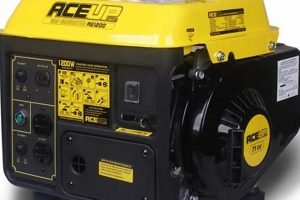
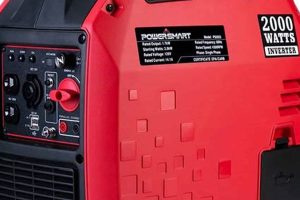
A device enabling homeowners to safely connect a portable power source to their home’s electrical system is essential for backup power during outages. This device allows selected circuits to be powered by the generator, isolating them from the utility grid to prevent dangerous backfeeding. For example, it allows operation of critical appliances like refrigerators, sump pumps, and furnaces during a power outage.
Safeguarding both the generator and the utility workers restoring power is paramount. This device provides that safety by preventing simultaneous connection to both power sources. Historically, homeowners relied on extension cords, a practice that is both hazardous and inefficient. Modern solutions offer a streamlined and secure method for managing backup power, minimizing disruption during emergencies. These devices allow for a more efficient use of generator power and prevent overloading.
Selecting and installing the correct device requires careful consideration of several factors, including generator capacity, required circuits, and local electrical codes. Understanding the various types available, including manual and automatic options, is essential for making an informed decision. Further exploration of these topics will follow.
Safety and Efficiency Tips for Backup Power
Proper planning and execution are critical for safe and effective utilization of portable generators during power outages. These tips provide guidance for maximizing generator utility and minimizing potential hazards.
Tip 1: Accurate Load Calculation: Determine the wattage requirements of essential appliances and circuits. This information is crucial for selecting a generator and transfer device with sufficient capacity. Overloading can damage both the generator and connected appliances.
Tip 2: Professional Installation: Engaging a qualified electrician is recommended for installation. This ensures adherence to local electrical codes and safe integration with the home’s electrical system. Incorrect wiring can lead to dangerous backfeeding and potential fires.
Tip 3: Proper Generator Placement: Operate generators outdoors in well-ventilated areas, away from windows and doors. Exhaust fumes contain carbon monoxide, a colorless, odorless, and deadly gas.
Tip 4: Regular Maintenance: Perform routine maintenance on the generator according to manufacturer instructions. This includes oil changes, air filter cleaning, and spark plug replacement. Proper maintenance ensures reliable operation during emergencies.
Tip 5: Fuel Safety: Store fuel in approved containers in a well-ventilated area away from ignition sources. Never refuel a hot generator. Allow it to cool completely to prevent fires.
Tip 6: Circuit Prioritization: Prioritize essential circuits for connection to the transfer device. Consider appliances necessary for safety, comfort, and preservation of property, such as refrigerators, sump pumps, and heating systems.
Tip 7: Understanding Local Regulations: Consult local ordinances and homeowner association guidelines regarding generator usage. Some areas may have restrictions on operating hours or noise levels.
Adhering to these guidelines ensures the safe and efficient operation of portable generators, providing crucial power during outages while minimizing potential risks. This proactive approach contributes to household preparedness and overall safety.
By carefully considering these points, consumers can make informed decisions and effectively utilize backup power solutions, thereby mitigating the impact of power disruptions.
1. Safety

Safe operation of a portable generator requires a properly installed transfer switch. This device plays a critical role in protecting individuals, property, and utility workers from electrical hazards. It ensures safe power delivery during outages and prevents dangerous backfeeding into the power grid.
- Preventing Backfeeding
Backfeeding occurs when electricity from a generator flows back into the utility lines. This poses a lethal threat to utility workers repairing downed lines. A transfer switch isolates the home’s electrical system from the grid, eliminating this risk.
- Overload Protection
Transfer switches are rated for specific amperage and wattage. This safeguards against overloading the generator and home wiring, reducing the risk of fire caused by excessive current. Selecting a switch with appropriate capacity for the intended load is crucial.
- Proper Grounding
A correctly installed transfer switch provides a proper grounding path for the generator. This protects against electrical shock and equipment damage. Professional installation ensures adherence to grounding requirements and minimizes risks.
- Carbon Monoxide Poisoning Prevention
While not directly related to the transfer switch itself, safe generator operation requires proper ventilation to prevent carbon monoxide buildup. Generators should never be operated indoors or in enclosed spaces. This emphasizes the holistic approach to generator safety, extending beyond electrical considerations.
A transfer switch, available at retailers like Home Depot, forms the cornerstone of safe generator usage. It offers protection against several electrical hazards and contributes significantly to overall safety during power outages. Understanding its role and ensuring proper installation are essential for responsible generator operation, protecting both individuals and the broader electrical infrastructure.
2. Capacity

Transfer switch capacity is a critical factor when integrating a portable generator with a home’s electrical system. Choosing a switch with inadequate capacity can lead to overloads, potentially damaging both the generator and connected appliances. Conversely, an oversized switch represents unnecessary expense. Careful consideration of power requirements is essential for effective and safe operation.
- Determining Power Needs
Calculating the total wattage required for essential circuits is the first step. This involves identifying appliances intended for generator power and summing their wattage requirements. Online resources and appliance labels provide wattage information. This calculation forms the basis for selecting an appropriately sized transfer switch and generator.
- Matching Switch and Generator Capacity
The transfer switch capacity must equal or exceed the generator’s power output. This ensures the switch can safely handle the maximum current the generator can supply. For example, a 5000-watt generator requires a transfer switch rated for at least 5000 watts. This alignment prevents switch overload and ensures reliable operation.
- Understanding Amperage and Wattage
Wattage represents the total power consumed, while amperage describes the electrical current. Both are crucial for selecting the correct switch. Wattage is calculated by multiplying voltage and amperage. A clear understanding of these concepts is essential for proper sizing.
- Considering Future Expansion
Anticipating future power needs is advisable when selecting a transfer switch. If additional appliances might require generator power later, opting for a slightly larger capacity switch can provide flexibility and avoid future upgrades. This forward-thinking approach can save time and expense down the line.
Properly sizing the transfer switch, readily available at retailers like Home Depot, ensures the safe and efficient utilization of generator power. Careful consideration of capacity, in conjunction with generator output and anticipated load, allows homeowners to effectively manage backup power during outages. This informed approach optimizes resource utilization and minimizes the risk of equipment damage.
3. Installation
Safe and effective integration of a portable generator with a home’s electrical system hinges on proper transfer switch installation. This process requires careful consideration of electrical codes, safety procedures, and compatibility between the generator, the switch, and the home’s wiring. Correct installation is paramount for preventing hazards and ensuring reliable operation during power outages.
- Professional Installation Recommended
Given the complexities and potential hazards associated with electrical work, engaging a qualified electrician is strongly recommended for transfer switch installation. Licensed electricians possess the expertise to ensure adherence to local electrical codes, proper grounding, and safe integration with the home’s electrical panel. This professional approach minimizes risks and ensures compliance with safety standards.
- Placement and Wiring
Transfer switch placement requires careful consideration of proximity to the main electrical panel and the generator’s intended location. Proper wiring between the generator, transfer switch, and selected circuits is crucial for safe and efficient operation. Clear labeling of circuits connected to the transfer switch facilitates easy identification during outages. This organized approach simplifies operation and reduces confusion.
- Grounding and Bonding
Correct grounding and bonding are essential for preventing electrical shock and equipment damage. The transfer switch must be properly grounded to the home’s grounding system. This provides a safe path for fault currents and protects individuals and appliances. Professional installation ensures adherence to grounding requirements and minimizes risks.
- Inlet Box Installation
The inlet box, the connection point for the generator, requires proper installation in a weatherproof location accessible from the generator’s operating area. Correctly sized wiring between the inlet box and the transfer switch ensures efficient power transfer. This dedicated connection point simplifies generator hookup and promotes safe operation.
Proper installation, often best handled by professionals readily accessible through retailers like Home Depot, is crucial for realizing the full benefits of a transfer switch. This careful approach ensures safe and reliable generator integration, minimizing potential hazards and maximizing the effectiveness of backup power during outages. A correctly installed transfer switch contributes significantly to household preparedness and overall safety.
4. Types (Manual/Automatic)

Transfer switches for portable generators, available at retailers like Home Depot, are broadly categorized into manual and automatic types. The selection between these types depends on budget, desired level of convenience, and technical proficiency. Understanding the distinctions between these options is crucial for informed decision-making.
- Manual Transfer Switches
Manual transfer switches require user intervention to switch between utility power and generator power. This involves physically moving a lever or flipping a switch on the transfer switch unit. While less expensive than automatic counterparts, manual switches necessitate direct user action during outages. This hands-on approach offers a cost-effective solution for those comfortable with managing the switching process directly.
- Automatic Transfer Switches
Automatic transfer switches automate the transition between utility and generator power. These switches continuously monitor utility power. Upon detecting an outage, they automatically start the generator and transfer the electrical load. Once utility power is restored, the switch seamlessly reverts to the grid and shuts down the generator. This automated operation provides uninterrupted power and eliminates the need for manual intervention.
- Sub-Panels vs. Service-Entrance Rated Transfer Switches
Within both manual and automatic categories, there is a further distinction between sub-panel and service-entrance rated transfer switches. Sub-panel transfer switches connect to the main electrical panel and manage a select number of circuits. Service-entrance rated switches, however, manage the entire home’s electrical load, requiring more complex installation. This choice depends on the desired coverage of backup power.
- Cost and Complexity Considerations
Manual transfer switches generally offer a lower initial cost compared to automatic switches. However, automatic switches provide significantly greater convenience and eliminate the need for manual intervention during outages. Installation complexity also varies, with service-entrance rated switches requiring more extensive electrical work than sub-panel switches. Evaluating these trade-offs is essential for selecting the most suitable option.
Careful consideration of the available transfer switch types allows homeowners to tailor their backup power solution to their specific needs and budget. Understanding the distinctions between manual and automatic operation, as well as sub-panel versus service-entrance configurations, empowers consumers to make informed decisions when purchasing a transfer switch from retailers like Home Depot.
5. Compatibility
Ensuring compatibility between a portable generator, transfer switch, and home electrical system is paramount for safe and effective backup power. Overlooking compatibility considerations can lead to equipment damage, safety hazards, and ineffective operation during outages. Careful evaluation of several key factors is necessary to achieve a seamless and reliable integration.
- Generator and Transfer Switch Amperage/Wattage Ratings
The transfer switch amperage and wattage rating must align with the generator’s output capacity. A mismatch can lead to overloading and potential damage. For example, a transfer switch rated for 30 amps should not be paired with a generator producing 50 amps. Verifying these ratings ensures safe and reliable operation.
- Transfer Switch Type and Electrical System Configuration
Transfer switches are designed for specific electrical system configurations. Some are intended for use with sub-panels, managing only select circuits, while others are service-entrance rated, capable of managing the entire home’s electrical load. Choosing the correct type ensures proper integration with the existing electrical system.
- NEMA Configuration (Inlet Box and Generator Outlet)
The National Electrical Manufacturers Association (NEMA) defines standard configurations for electrical connectors. The inlet box on the transfer switch and the outlet on the generator must have matching NEMA configurations for proper connection. For instance, a common configuration is NEMA 14-50R for 50-amp circuits. Ensuring compatibility avoids connection issues.
- Voltage Requirements
Both the generator and the transfer switch must operate at the same voltage (typically 120V or 240V for residential applications). Mismatched voltages can damage equipment and create safety hazards. Confirming voltage compatibility is essential for proper function and safety.
Addressing compatibility aspects proactively is crucial for a functional and safe backup power system. Careful consideration of generator output, transfer switch type, NEMA configurations, and voltage requirements ensures seamless integration and reliable operation during power outages. Retailers such as Home Depot offer resources and expertise to assist consumers in selecting compatible components, simplifying the process and promoting safe and effective backup power solutions.
6. Home Depot Availability

Home Depot’s readily available inventory of transfer switches for portable generators simplifies the process of acquiring these essential components for home backup power systems. Access to a wide selection of brands, types, and capacities, combined with in-store and online resources, streamlines the purchasing experience and facilitates informed decision-making. This availability plays a crucial role in empowering homeowners to prepare for power outages effectively.
- Product Variety and Selection
Home Depot offers a diverse range of transfer switches, encompassing various brands, capacities, and functionalities, including both manual and automatic options. This extensive selection caters to diverse needs and budgets, allowing homeowners to choose a switch that aligns with their specific generator and electrical system requirements. For example, a homeowner with a smaller portable generator might opt for a manual transfer switch, while someone with a larger generator and a desire for automated operation might choose an automatic transfer switch with greater capacity. This variety empowers consumers to tailor their backup power solutions effectively.
- Accessibility and Convenience
The widespread availability of transfer switches at Home Depot stores nationwide, combined with online purchasing options, enhances accessibility and convenience for consumers. This ease of acquisition simplifies the process of equipping homes with essential backup power capabilities. The ability to purchase online, compare models, and arrange for home delivery or in-store pickup streamlines the entire process, saving time and effort.
- In-Store and Online Resources
Home Depot provides valuable resources, both in-store and online, to assist customers in selecting the appropriate transfer switch. These resources often include product specifications, customer reviews, and educational materials about generator safety and installation. Access to this information empowers consumers to make informed purchasing decisions and ensures compatibility between the generator, transfer switch, and electrical system. This guidance contributes to both safety and effective operation.
- Pricing and Value
Home Depot’s competitive pricing and frequent promotional offers enhance the value proposition for consumers seeking transfer switches. This affordability makes essential backup power solutions more accessible to a wider range of homeowners. The opportunity to compare prices, explore different brands, and take advantage of sales or discounts contributes to cost-effectiveness and overall value.
Home Depot’s comprehensive approach to offering transfer switches, encompassing product variety, accessibility, informational resources, and competitive pricing, significantly simplifies the process of establishing reliable home backup power systems. This readily available resource empowers homeowners to prepare effectively for power outages, enhancing safety and minimizing disruption during emergencies.
Frequently Asked Questions
This section addresses common inquiries regarding transfer switches for portable generators, providing concise and informative responses to facilitate understanding and informed decision-making.
Question 1: What is the primary function of a transfer switch?
A transfer switch safely connects a portable generator to a home’s electrical system, allowing specific circuits to be powered during outages while preventing dangerous backfeeding to the utility grid.
Question 2: Is professional installation necessary for a transfer switch?
Professional installation by a qualified electrician is strongly recommended. This ensures adherence to electrical codes, proper grounding, and safe integration with the home’s wiring, minimizing potential hazards.
Question 3: What size transfer switch is needed for a given generator?
The transfer switch capacity (amperage and wattage) must equal or exceed the generator’s output. Calculating the total wattage of intended circuits helps determine the appropriate switch size.
Question 4: What is the difference between a manual and an automatic transfer switch?
Manual transfer switches require user intervention to switch between utility and generator power. Automatic transfer switches automate this process, detecting outages and switching power sources seamlessly.
Question 5: Are transfer switches compatible with all portable generators?
Compatibility depends on factors like generator output, transfer switch type, and NEMA configuration. Verifying compatibility between components is crucial for safe and effective operation.
Question 6: Where can transfer switches be purchased?
Transfer switches are readily available at retailers like Home Depot, offering various brands, types, and capacities to suit individual needs and budgets. Online and in-store resources often provide valuable information for selection and installation.
Understanding these key aspects of transfer switch selection and usage contributes significantly to safe and effective backup power implementation. Consulting with qualified professionals is always advisable for specific guidance tailored to individual circumstances.
For further information on specific products and local installation services, consult a qualified electrician or visit a Home Depot store.
Transfer Switch for Portable Generator Home Depot
Safe and reliable backup power during outages necessitates careful consideration of transfer switches designed for portable generators, readily available at retailers like Home Depot. This exploration has highlighted the critical role these devices play in safely connecting a generator to a home’s electrical system. Key aspects discussed include the importance of proper sizing to match generator output and load requirements, the distinction between manual and automatic transfer switches, the necessity of adhering to safety protocols during installation, and the importance of ensuring compatibility between system components. Understanding these elements is fundamental for effective and safe generator integration.
Investing in a properly sized and installed transfer switch represents a crucial step in household preparedness. This proactive approach mitigates the impact of power disruptions, safeguarding both property and occupants. Thorough planning and adherence to safety guidelines ensure the seamless and secure operation of backup power systems, providing essential support during unforeseen outages. Informed decision-making, guided by the principles and considerations outlined herein, empowers homeowners to establish resilient and dependable backup power solutions.